

The Supreme irony of Liberman’s bid to squeeze Netanyahu on Haredi army service
Yisrael Beytenu head is blocking PM’s coalition by insisting more ultra-Orthodox men are enlisted. But it’s only judicial oversight, which he opposes, that has kept his cause alive

 Add ToI as a Preferred Source on Google
David Horovitz is the founding editor of The Times of Israel. He is the author of "Still Life with Bombers" (2004) and "A Little Too Close to God" (2000), and co-author of "Shalom Friend: The Life and Legacy of Yitzhak Rabin" (1996). He previously edited The Jerusalem Post (2004-2011) and The Jerusalem Report (1998-2004).
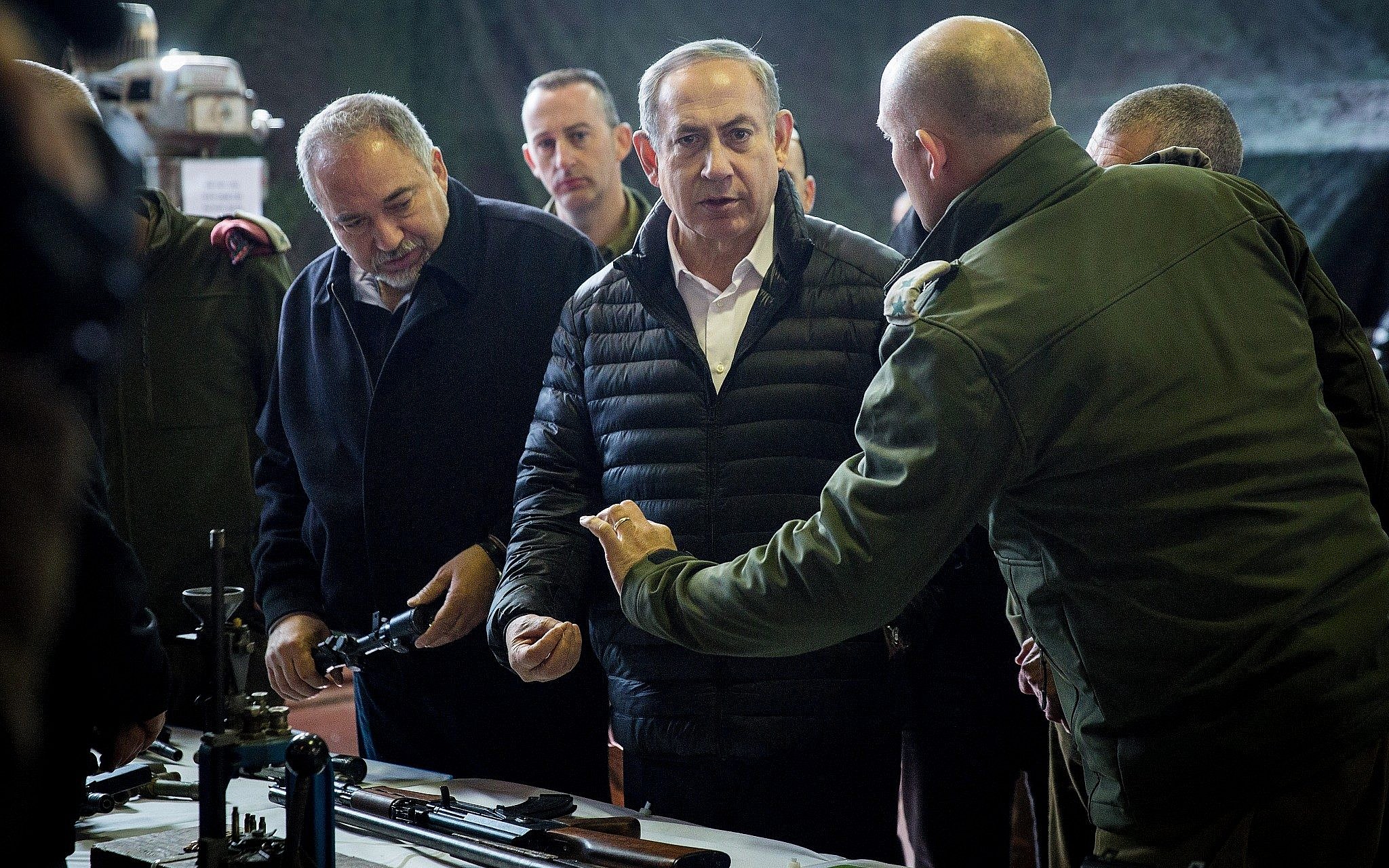
The relationship between Benjamin Netanyahu and his former right-hand man Avigdor Liberman has always been tempestuous and unpredictable. At its core is probably the fact that Liberman — variously Netanyahu’s director of the Prime Minister’s Office, his foreign minister, defense minister, and rival as Yisrael Beytenu party chief — wants Netanyahu’s job, thinks he’d do it better, and increasingly worries that it will never be his.
As of this writing, Liberman is the main impediment to the finalizing of Netanyahu’s new coalition. When the results of the April 9 election were announced, it seemed Netanyahu had a clear path to a 65-strong coalition. Almost seven weeks later, not a single coalition agreement has been signed between Netanyahu’s Likud and the five other parties necessary for a majority, but it is Liberman who has proved troublemaker in chief.
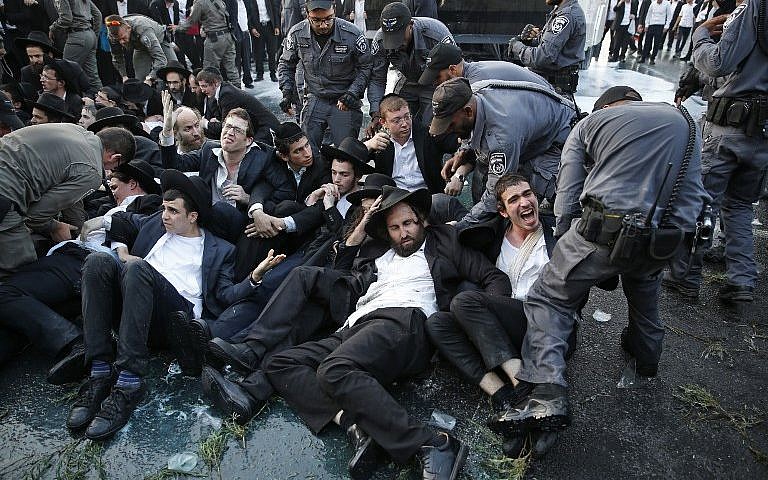
Liberman is insisting on the passage without amendment of an IDF-backed bill that raises ultra-Orthodox participation in military service. (The bill passed its first reading in the last Knesset. At present, only about a tenth of the roughly 30,000 eligible ultra-Orthodox males enlist in the IDF each year; the bill championed by Liberman specifies a gradual, hardly earth-shattering rise to almost 6,000 ultra-Orthodox IDF recruits and an additional 1,000 doing national service by 2027.) Otherwise, says the fiercely secular party chief, he will not join the coalition. He gave his backing, Liberman has declared, to a right-wing government, not a government in which the ultra-Orthodox hold sway.
For their part, Shas and United Torah Judaism, the ultra-Orthodox parties whose Knesset representation swelled from 13 to 16 seats on April 9, are demanding an easing of the legislation’s terms — ideally, they want all ultra-Orthodox males exempted from the draft — or they won’t join the coalition. Result: Deadlock.
Liberman is presumably relishing the current elevation of prime ministerial blood pressure
Now, it could be that Liberman is playing infuriatingly hard to get simply because he’s enjoying the opportunity to make the prime minister sweat. Netanyahu really needs this coalition sworn into office ASAP. He really needs to avoid being forced to admit defeat and, however crazy this may sound, setting Israel back on course to another round of elections, because he is desperate to push through legislation that will protect him from looming prosecution in three criminal cases. Liberman is well aware of this, and is presumably relishing the current elevation of prime ministerial blood pressure.
At the eleventh hour, Liberman could well let Netanyahu off the hook and agree to some sort of compromise that would doubtless be presented as a victory. And Netanyahu’s new government could get to work. Alternatively, Liberman could decide not to cave. He might calculate that his narrow political interest is served by holding out, even if that means forcing new elections should the ultra-Orthodox parties also decide not to blink. He would paint himself as the principled politician who stood by his key cause and prevented a still greater ultra-Orthodox takeover of Israeli governance, and hope to win more than five seats next time around. Or, again, he also might decide not to cave just to give still more grief to Netanyahu, whose future if Israel is forced into new elections might not be completely assured given the first voices of dissent against him from within Likud.
As a political insider told me earlier today, MKs across the spectrum are “all talking to each other” about possible alliances, plots and scenarios. “There’s a 95% chance that Netanyahu will ultimately get his coalition,” this person added. “But this is Israeli politics, and so anything can happen.”
Fighting the wrong battle
But what’s bitterly ironic about all the brinkmanship playing out here is that Israel has a democratic crisis on its hands.
Liberman’s cherished Haredi draft law is utterly central to it.
And yet that democratic crisis — the foundational issue that ought to be dominating Israeli politics right now — figures nowhere in the tactical infighting over the construction of the next coalition.
The democratic crisis concerns Netanyahu’s bid to build a coalition that will first grant him immunity from prosecution in his corruption cases, and then legislate to prevent the Supreme Court overturning that immunity. In short, the prime minister is seeking to place himself above the law, and to do so by enacting the most far-reaching constitutional shakeup in Israel history, by radically constraining the authority of the Supreme Court so that it can no longer overturn laws and decisions by government and parliament that it considers to be unconstitutional.
Liberman only has a Haredi draft bill to champion because Israel’s judges had the authority to strike down that law’s earlier unjust iterations — authority he would deny them
What Liberman seems not to have noticed, or prefers not to notice, is that the only reason he has a key cause still to defend — the only reason he can demand wider Haredi participation in the IDF — is because the Supreme Court has repeatedly struck down previous legislation that largely excuses ultra-Orthodox males from the draft. Near-complete ultra-Orthodox exemption from military service has been the standard in Israel — but what was initially a concession that affected relatively few became a norm that annually provides tens of thousands of young ultra-Orthodox males with a dispensation denied to other Israelis. An unconstitutional dispensation. And therefore, Israel’s judges started to intervene.
In 2012, the Supreme Court struck down a decade-old law that had been intended to raise ultra-Orthodox enlistment levels but failed to do so. Corrective legislation was advanced by then finance minister Yair Lapid’s Yesh Atid party after the 2013 elections but, firmly opposed by the ultra-Orthodox, it was amended when Yesh Atid went into the opposition, so the Supreme Court intervened again: It ruled, in 2017, that the amended arrangements were untenable, and thus set the scene for yet another attempt at legislation — the very bill that Liberman now wants approved unchanged, and that the ultra-Orthodox are resisting.

The kingmakers
I wrote last week that Moshe Kahlon, the head of the Kulanu party, had a unique opportunity to defend democracy by making clear he would not go along with efforts by Netanyahu to place himself above the law and destroy the critical authority of the Supreme Court as part of the checks and balances at the heart of Israel’s democracy. Instead, Kahlon is apparently content to support Netanyahu’s plans; his party faction chairman Roy Folkman said last week he fully supports legislation overriding the authority of the Supreme Court, and Kahlon has said nothing at all. When I asked them why, some of those close to him intimated that Kahlon fears he would do Kulanu further political harm — it shrank from 10 seats to four in these elections — were he to place himself as the defiant defender of democracy from the center-right; I happen to think it would be the making of him.
So that leaves Liberman, who has been a frequent critic of Supreme Court intervention over the years, especially on issues relating to the Palestinians. Indeed, he is a declared supporter of legislation to “override” the court’s powers, even as he defends a cause he is only able to fight because of the very judicial oversight that the next coalition seems bent on demolishing.
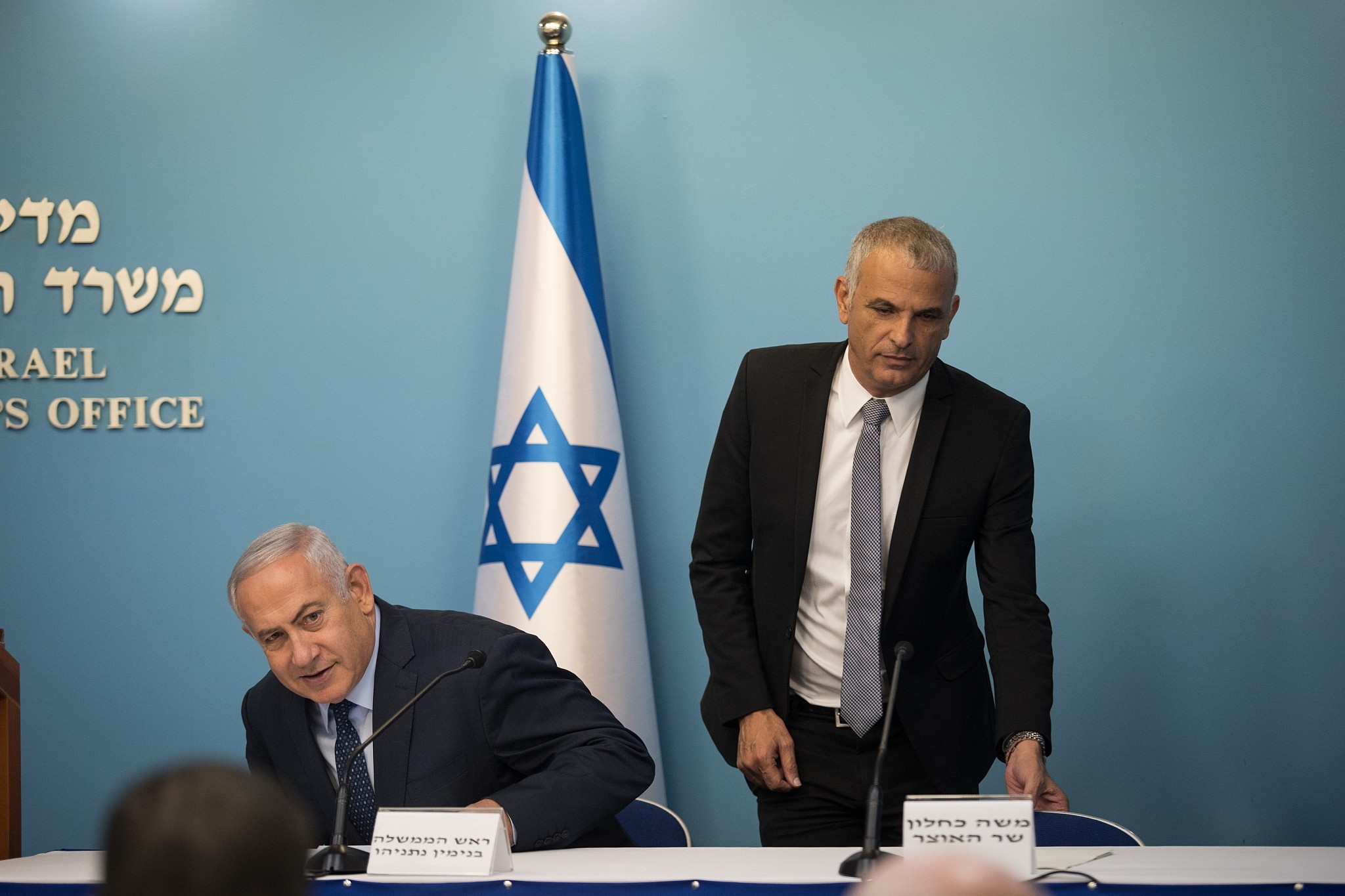
Between them, Kahlon and Liberman have nine seats in the Knesset. They are the kingmakers; potentially, they are the saviors of the delicate balance between Israel’s judiciary, legislature and executive.
Kahlon is ostensibly a man of principle. He needs to re-read Benny Begin’s admonition last week, and resolve, to paraphrase Begin, not to lend a hand to the corruption of our legislature. This is a little more important than whether his party gets one or two ministers in the next cabinet.
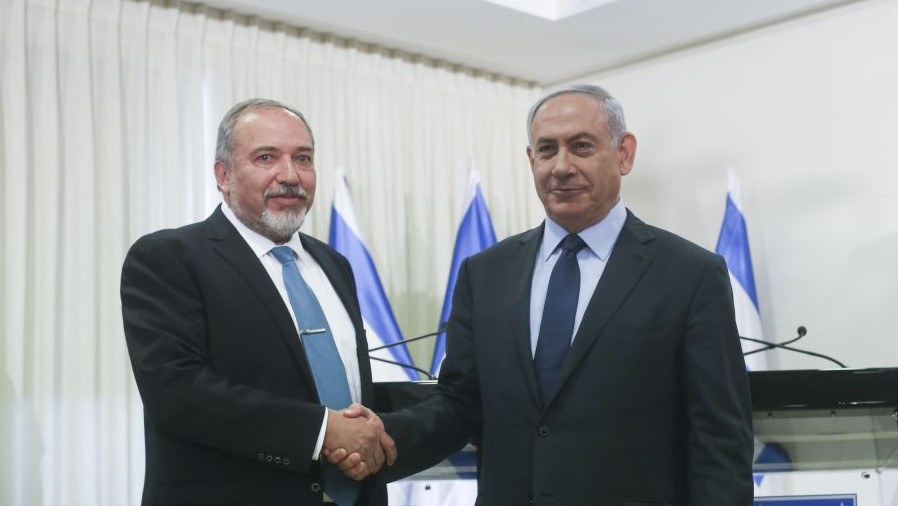
As for Liberman, he purports to be committed to fairness when it comes to the burden of military service — to the sharing of rights and responsibilities. He needs to internalize that he only has a Haredi draft bill to champion because Israel’s judges had the authority to strike down that law’s earlier unjust iterations. The very cause he is fighting underlines why he, too, must stand up for the checks and balances that his boss/ally/nemesis Netanyahu would shatter.
The authority of our judges is not irrelevant to the current battle Liberman is waging against the prime minister. It’s not a side issue. It goes to the very core. Ironically, Liberman doesn’t seem to realize this.


The Times of Israel Community.