

Budget deficit widens to 2.6% as government shells out billions for Gaza war effort
October figures show government spending jumped to NIS 54.9 billion in October from NIS 41.9 billion during the same month last year, while tax revenue fell 15.2%
 Add ToI as a Preferred Source on Google
Sharon Wrobel is a tech reporter for The Times of Israel
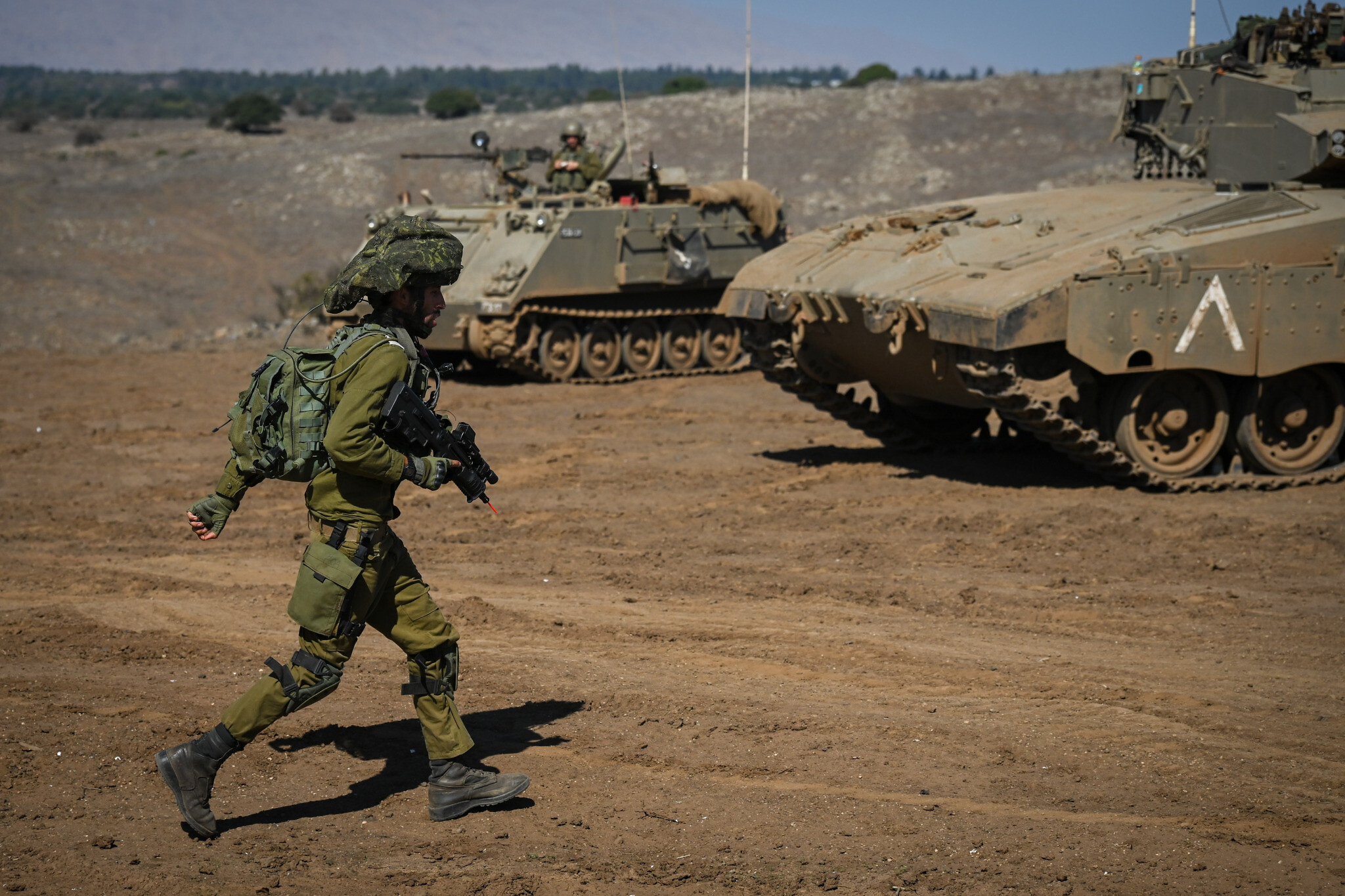
Israel’s fiscal deficit widened to 2.6 percent of GDP, or NIS 22.9 billion ($6 billion), in October over the prior 12 months, from 1.5% in the previous month, as government expenditure increased due to the ongoing war with the Hamas terror group and tax revenue dropped, according to preliminary figures released by the Finance Ministry on Wednesday.
The Finance Ministry cautioned that the “abnormal” deficit is due to a “significant” increase in government expenses since the outbreak of the war on October 7, including the advancement of payments to suppliers and local authorities. Government expenditure swelled to NIS 54.9 billion in October from NIS 41.9 billion during the same month last year.
The Iran-backed Hamas on October 7 brutally murdered some 1,400 people, a majority of them civilians, abducted at least 240 hostages, including babies and octogenarians, and devastated southern communities in a shock onslaught under the cover of a bombardment of thousands of rockets fired at Israeli towns and cities.
After Israel declared war and vowed to eradicate Hamas in the aftermath of the atrocities, the country’s defense forces called up more than 300,000 reservists, among them many tech workers and employees across various business sectors. As a result, many companies have shut or are operating only partially and others such as retail firms have furloughed their employees.
As the extent and duration of the war is uncertain, Israel is slated to be facing billions of shekels in government spending in the coming months, including the payment of army reservists, and the evacuation of hundreds of thousands of residents from the south and north of the country and their relocation to hotels. That’s in addition to increased defense spending and the cost of rehabilitating southern communities.
Meanwhile, the October figures showed that state revenues amounted to NIS 32 billion, down from NIS 36 billion in September, marking a decline of 11% month over month partly due to the allowance of tax deferments and partly due to the damage to the economy during the war period. Tax revenue in October dropped 15.2% year-on-year.
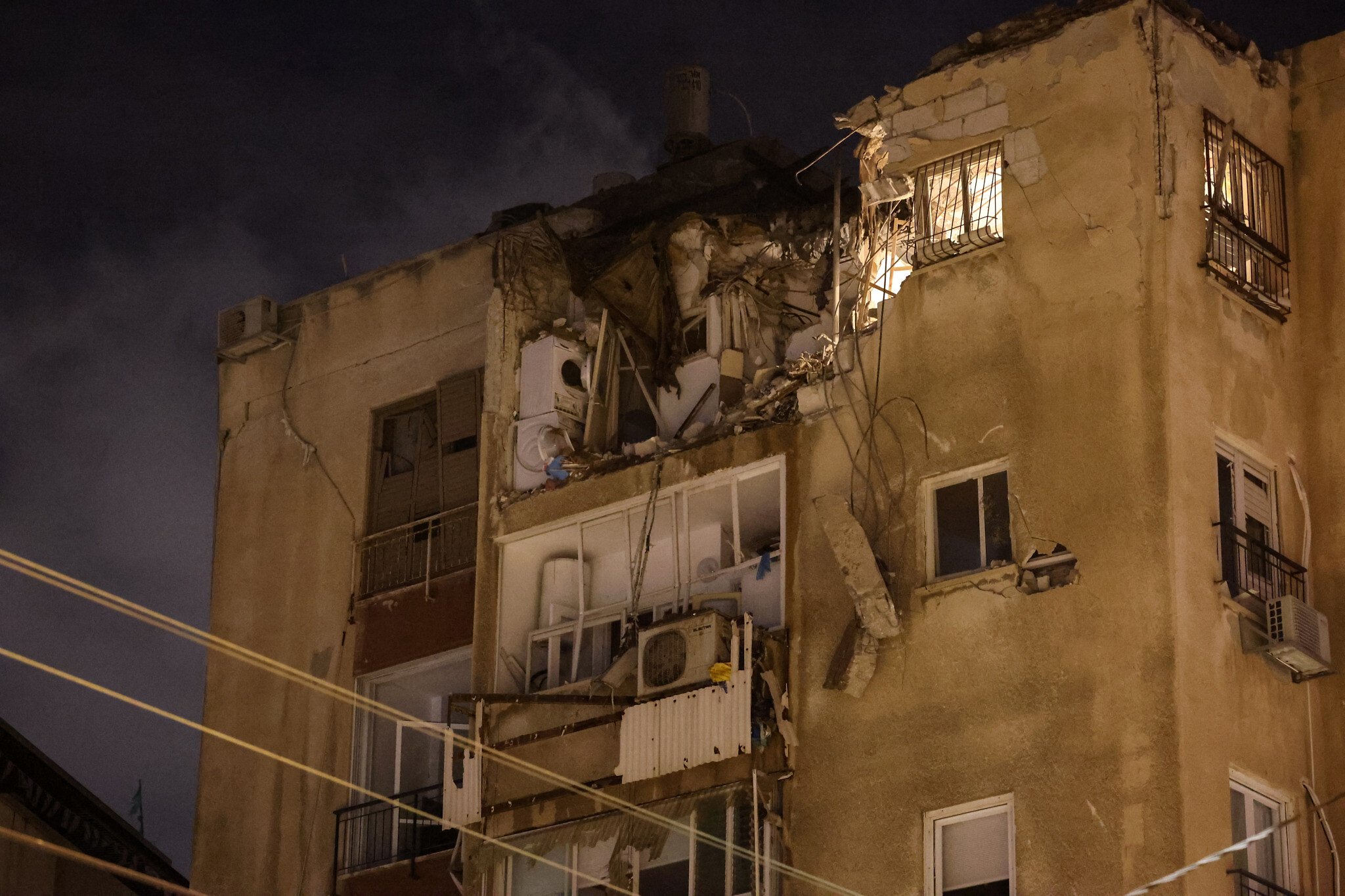
Collection from state tax income in October totaled NIS 29.1 billion, down 11% compared with the corresponding month last year, according to data published by the Israel Tax Authority. Direct taxes fell by about 18% in October versus the same month in 2022 and by 10% in the first 10 months of this year compared with the corresponding period last year.
Net income from real estate taxation slumped 36% to NIS 1 billion in October versus the same month in 2022, marking the sixth month in a row of declines. The collection from purchase taxes dropped by 34% in October year-on-year and income from property betterment taxes fell by 38% year-on-year.
Already before the outbreak of the war, the deficit had risen above the government’s fiscal target for this year of around 1.1% as government spending rose and revenues declined.
In 2022, the government posted the first budget surplus in 35 years of 0.6% of GDP as state revenues rose 4.8% to NIS 468.5 billion, benefiting from an exceptionally high increase in the collection of tax income.
As the ongoing fighting with Hamas takes a toll, the Bank of Israel’s research department assessed at the end of October that the costs of the war will lead to an increase in the government deficit to about 2.3% of GDP in 2023, from 1% forecasted previously, and to about 3.5% in 2024.
The central bank on October 23 trimmed its economic forecasts for this year and the following one. It now expects the economy to grow by 2.3% in 2023 and by 2.8% in 2024, as private consumption falls and the ability to work is constrained.
That is down from its previous forecasts of 3% growth for both this year and next. The projections are based on the assumption that the war will be conducted on the southern front during the fourth quarter of the year, without further escalation in the region.







The Times of Israel Community.