

Former Obama speechwriter exposes his family’s post-Holocaust trauma and secrecy
In his new book, Adam Frankel examines genetically inherited pain, and discovers life-altering details in the process
 Add ToI as a Preferred Source on Google
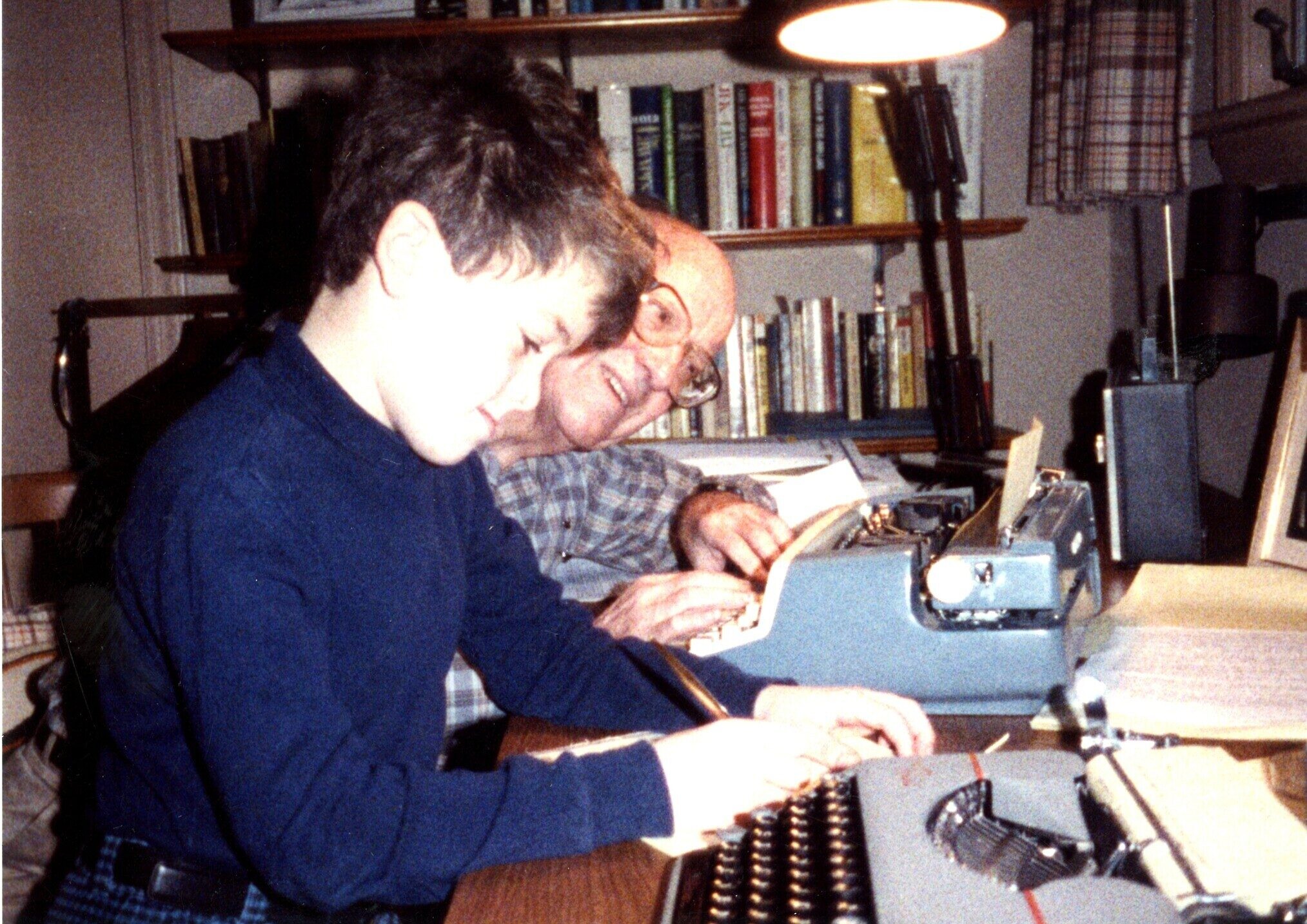
NEW YORK — Adam Frankel opens his book, “The Survivors: A Story of War, Inheritance and Healing,” with a memory of his beloved grandfather, a Holocaust survivor whose stories of the war filled the author’s childhood.
In the scene, Frankel, a former speechwriter for president Barack Obama, and his grandfather, Abraham Perecman, are sitting together at a diner in New Haven. Abraham has one request of his grandson: “Forgive her.” He is talking about Frankel’s mother; the need for forgiveness becomes clear later on in the book.
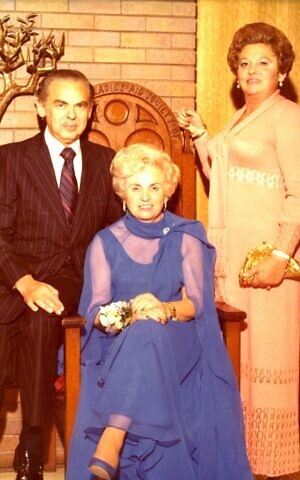
Frankel’s initial motivation for writing the book was to explore the wartime experiences of Abraham — a larger-than-life character whom Frankel revered — as well as his grandmother, Lea Perecman. Both were from Lithuania and had lived through the Nazi genocide. Frankel also wanted to tell the story of his paternal grandfather, who had been a student peace activist before the war but later became a platoon leader in the South Pacific.
But that all changed as his own sense of identity unraveled when he learned unexpected truths about his grandparents’ lives during and after the war — and about his own life when he finds out that the dad he knew and loved was not biologically his father. As Frankel, now 38, continued to probe his family’s history, he learned that there were many more secrets to unravel.
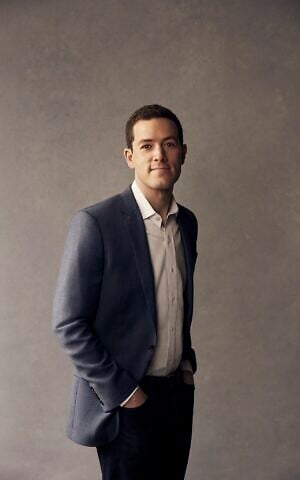
Frankel says he was always in awe of his grandparents.
“The Holocaust hovered over my childhood,” the soft-spoken author told The Times of Israel. “My mother and I lived in Munich for a few months when I was young and she took me on a trip to Dachau. As a young kid we bought a book about Dachau and I would always look at the pictures. I spent a lot of time thinking about this stuff.”
As the son of a single mother, Frankel spent a lot of time with Abraham and Lea, and the war filled his imagination. Abraham, who spoke with a thick Yiddish accent and had work-worn hands with “fingers angling out in odd, unnatural directions,” told the story of his own life better than any author could.
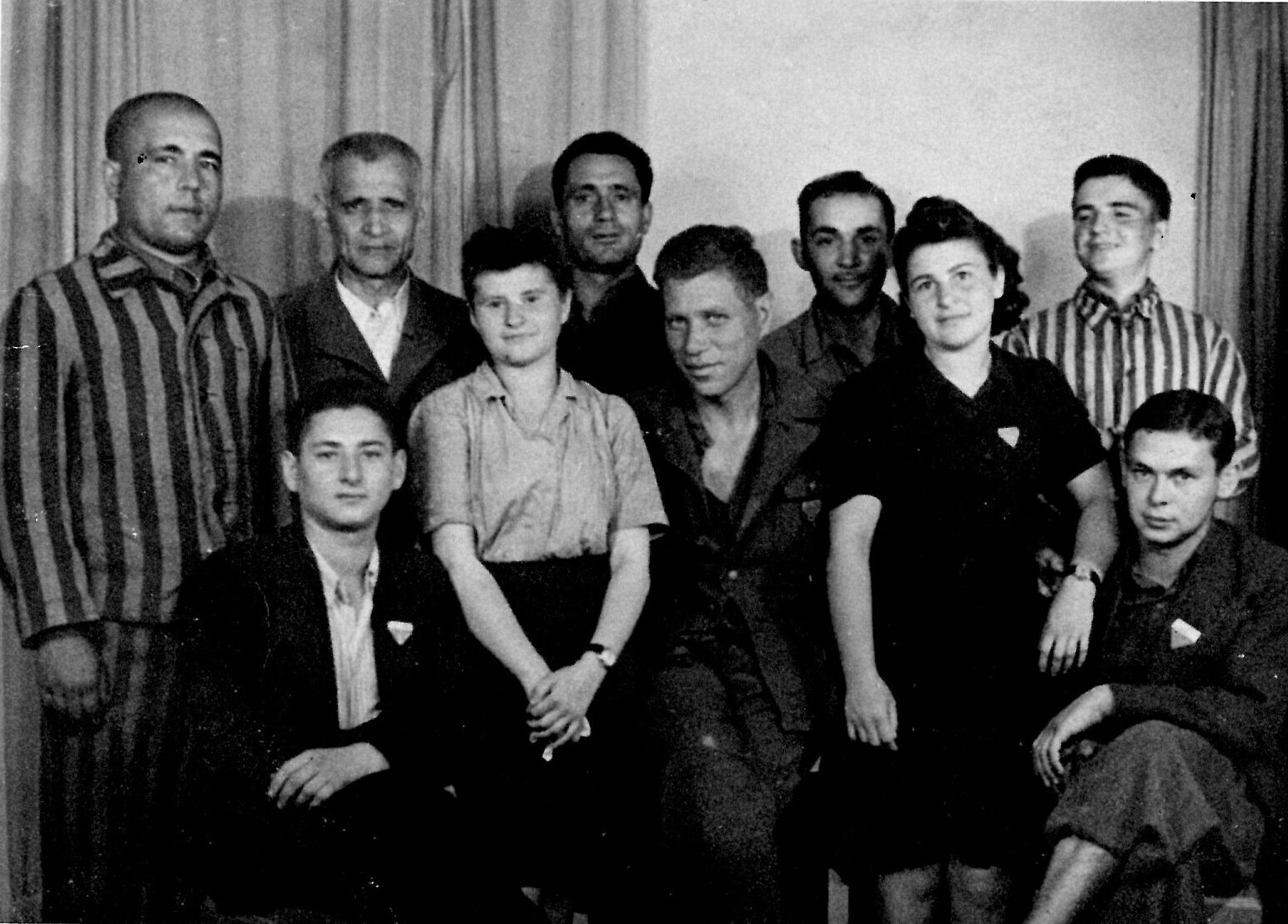
Abraham had survived several camps, including the notorious Stuffhof camp, which he described to his grandson as the “planet of death,” and said was the worst of all though he was there only there for four days. Abraham was also at Dachau and at Kautering, a Dachau subcamp where prisoners helped the Nazis build an underground airport.
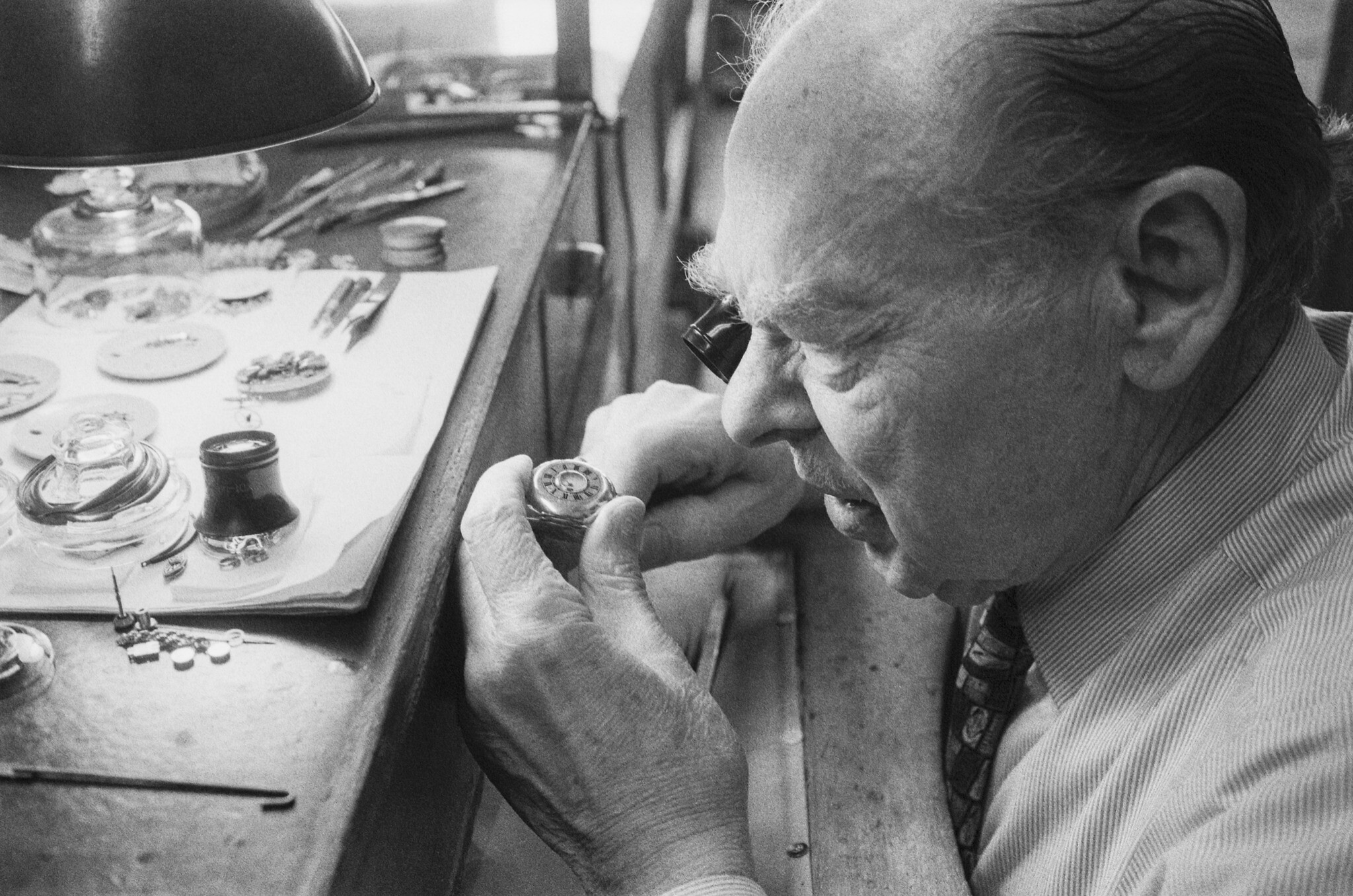
One of the ways Abraham — or Zayde, as Frankel often calls him, using the Yiddish word for grandfather — survived was by repairing the watches of Nazi commandants. It was a profession that he would carry into his postwar life. He was usually a man of few words, Frankel recalls in the book. About Dachau he would just say: “It was terrible. You can’t imagine how terrible.”
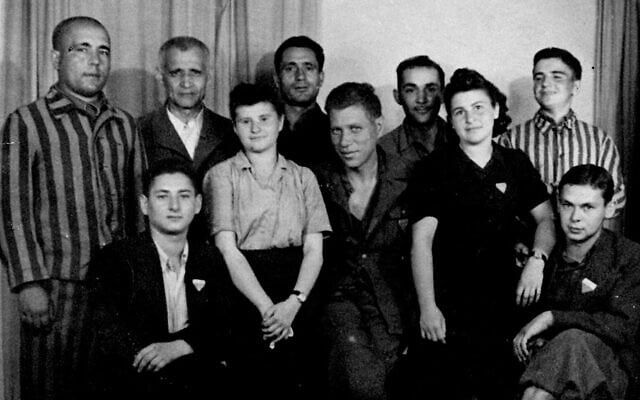
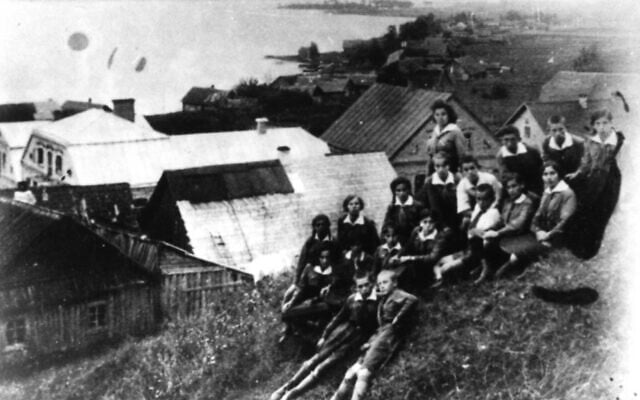
Lea’s story was murkier. She lost her entire family in the war and spent most of it living in the forest with partisans.
“She very rarely talked about the war. When I raised it with her I remember her crying. She didn’t share much. Whatever I got about her story, I got from Zayde,” Frankel said.
“She was in a ghetto and they liquidated the ghetto. I write about her hiding in the walls and the Nazis stuck bayonets in the wall. The little I got and that the family got of her experiences was devastating and horrific, and clearly still deeply traumatic and emotional for her all these decades later,” he said.
A painful legacy
A key issue that Frankel explores is whether a historical trauma can be handed down inter-generationally. In his search for answers, Frankel consulted an eclectic group of trauma researchers trying to understand why the children and grandchildren of Holocaust survivors often appear to carry nearly as much trauma as the survivors themselves.
Among those he consulted were Dr. Yael Danieli, a psychotherapist and director of the Group Project for Holocaust Survivors and their Children; Dr. Michael Meaney of McGill University; and Dr. Rachel Yehuda, a leading researcher in the emerging field of epigenetics, which posits that some trauma may be passed on genetically.
In an email to The Times of Israel, Yehuda explained the ramifications inherited trauma can have.
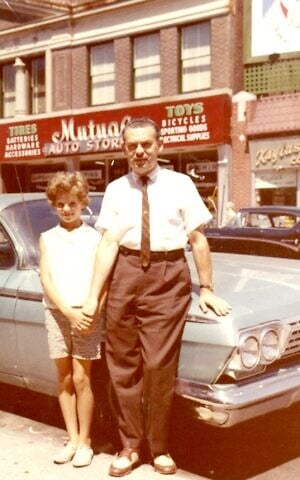
“The idea that there is a molecule that can be measured on one’s DNA that might reflect the effects of a parental experience provides a very tangible connection to one’s family history,” Yehuda said.
“Many of us feel strongly influenced by things that happened to our parents and grandparents, but knowing that these past experiences can physically live inside of us is a very powerful connector to our past and allows us to take our family histories with us through our lives and our children’s,” she said.
Each researcher he consulted helped Frankel piece together another aspect of his family’s emotional nexus. While Abraham could be a teddy bear type beloved by his customers at the Perecman Jewelry shop he opened in New Haven, Connecticut, he could also be harsh and authoritarian in his dealings with people.
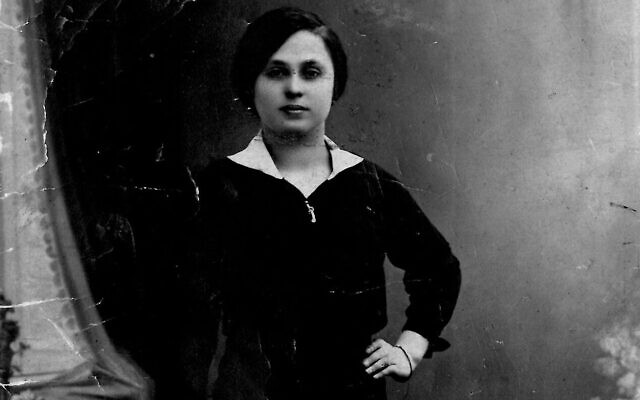
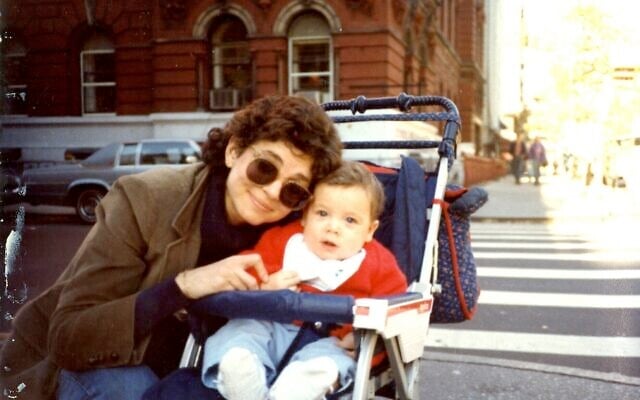
This had an especially negative effect on his daughter Ellen, Frankel’s mother, whose Hebrew name was Chaya, after Frankel’s great-grandmother who died during a death march in 1945. Each child in the family was named for a relative who died during the war. As a young woman, Ellen tried to commit suicide and has experienced bouts of instability and depression throughout her life.
A culture of secrecy
“Behaviorally, it does seem to be that there are certain patterns of behavior parents can adopt that will have a certain effect on their children,” Frankel said.
“I don’t pretend to understand all the ways it affected my mom, but what I observed and surmised, the way that manifested in the wake of her suicide attempt — not ever talking about it with her or anybody and not openly engaging with her about that difficulty, not making sure that my mom had the ongoing care and support that she needed from when she was young — I think in part was a reflection of that,” he said.
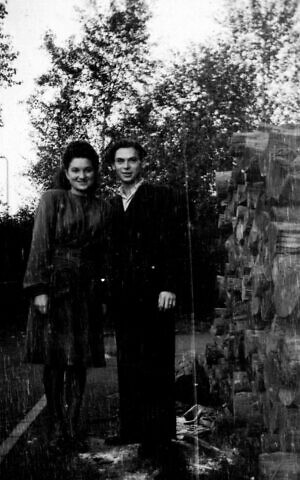
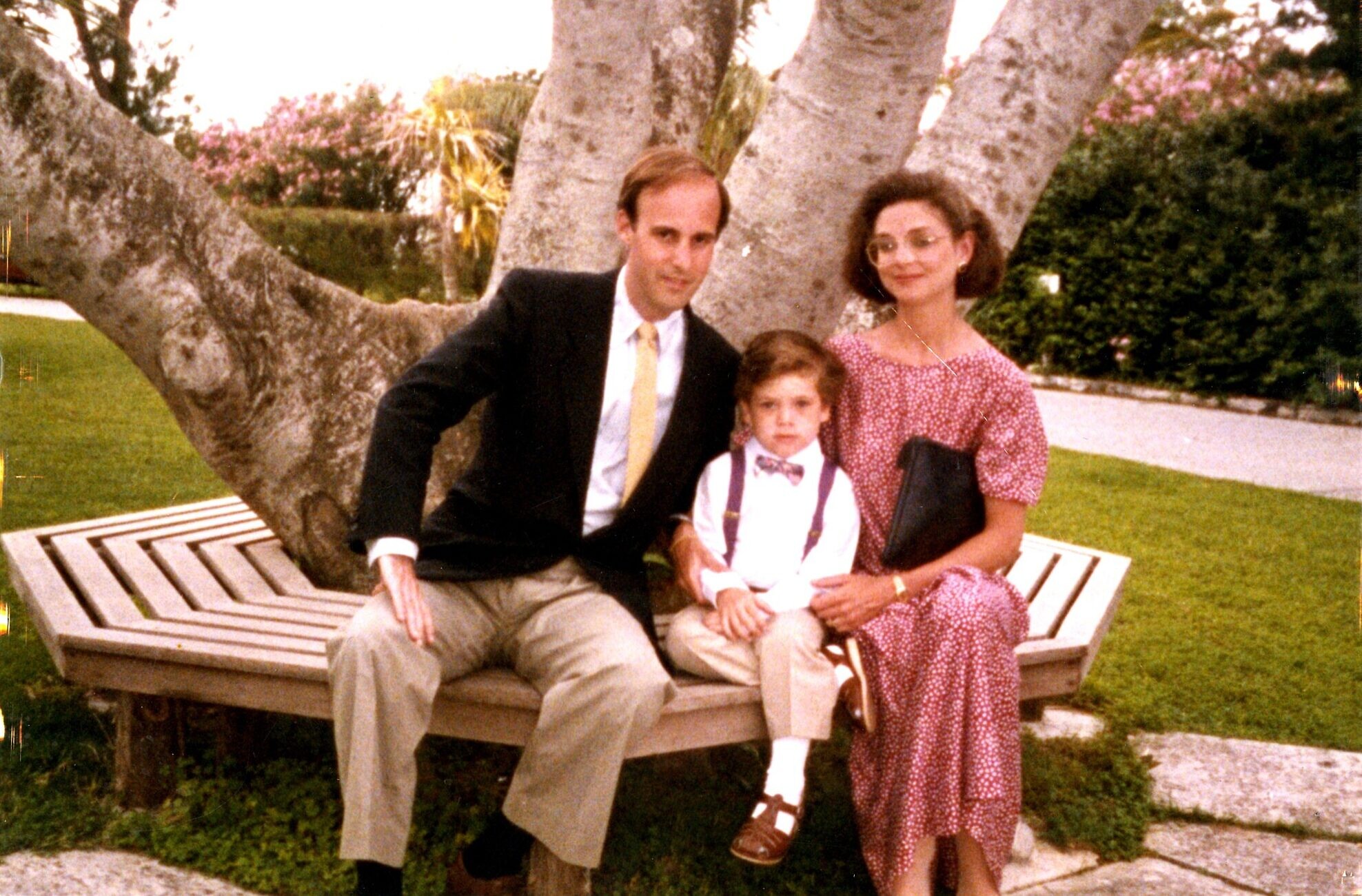
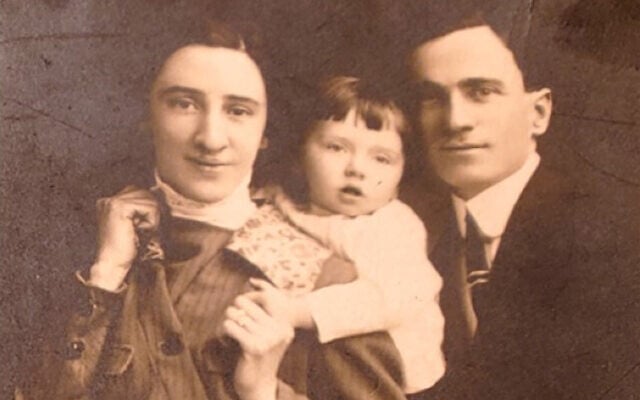
There was also a culture of secrecy that pervaded the family, though as a child Frankel never really understood what was being hidden. A closely held secret within the family was that his grandparents, who had told the world that they were Abraham and Lea Perecman, were in reality Gershon Gubersky and Rivke Wexler.
After the war, the couple now called Abraham and Lea had met in a displaced persons camp where Abraham became involved in some black market activities. The reasons behind the name change still remain murky, Frankel writes, but the couple were concerned that after a near arrest in Germany, they would not be allowed into the United States. So they borrowed another man’s identity and changed their names. There seemed to be an unspoken mandate to protect this secret, Frankel writes in the book. It wasn’t always an easy secret to keep.
Still, as a child, Frankel never resented or felt burdened by all the Holocaust history around him. He just wanted to make Abraham and Lea happy.
“I felt a sense of responsibility to make my grandparents proud, to do right by them. And if anything, it intensified the sense of loyalty that later I would do so much to destroy,” Frankel said, referring to the revelations in his book.
“I felt that if they survived all of this, I have a sense of responsibility to listen to their stories, to tell people about it, to make them proud — to be a good Jewish grandson,” he said.
He made good on that desire to make them proud, graduating from both Princeton and the London School of Economics and achieving a long-held dream of becoming a speechwriter, first with Obama’s presidential campaign and then as a senior speechwriter for the Obama administration. Frankel describes Obama as “an incredible boss” and a “man of great integrity,” from whom he learned a great deal.
Finding forgiveness
But amid all of this professional success, there was unbearable turmoil.
When he was 25, Frankel learned that Stephen B. Frankel, whom he adored, was not his biological father. It was a fact that his mother kept from him as long as she could.
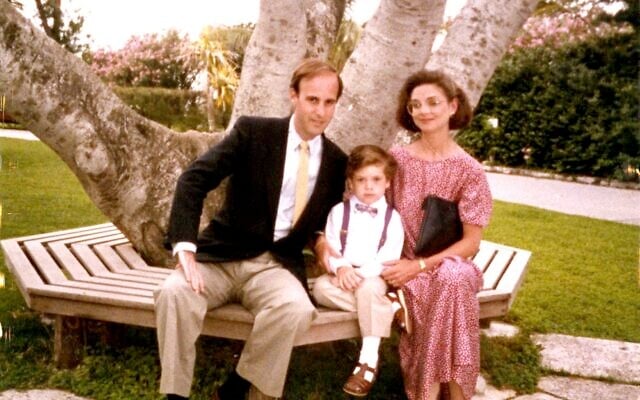
The reverberations from that seismic event changed the trajectory of his emotional life. His quest to learn who his real biological father was and his rage against his emotionally unstable mother made things very difficult for him in his family. His need to transcend this psychological torture helped him write the book.
However, in writing it, Frankel had to take on a kind of omerta — a code of loyalty within his family that made it difficult for him to learn and then reveal the truth about himself as well as his grandparents. And yet he did.
“The truth is I needed to write this book,” Frankel said. “It was brewing for a really long time and I was experiencing all of this stuff, grappling with all of these issues. And as I started to write about it, I realized that writing about it was helping me to process all of that.”
“What had been a jumble of emotions and information that I didn’t know how to wrap my head around, I was able to give an order and a sequence and I found the process of writing deeply therapeutic,” he said.
But the path to breaking through the family’s culture of secrecy was arduous.
“It was hard and it’s still hard,” Frankel said. “I write about my life and I’m still living that life. Some of the painful family dynamics in this – I still feel sad about. There were a lot of secrets in my family — and they didn’t do my mother any good, they didn’t do me any good and they didn’t do our family any good. I’m not sure if I would have had the need to break through all of those secrets if I hadn’t been confronted and confounded in such a dramatic way.”
It also altered the nature of his relationship with his mother as well as his beloved grandfather Abraham.
“I certainly felt a reverence and awe for my grandfather growing up. I think, as I got older, as I’ve reflected on this whole experience and undertook writing the book, my perspective broadened,” Frankel said.
“I didn’t lose my reverence for him. But there were other things too. He was an extraordinary human being who underwent an unimaginable horror. And as undamaged as he was, he was still damaged. And that experienced has played out in difficult ways for our family and for our family’s life. It’s a broader perspective of him. But I never lost my reference or love for him,” he said.
Frankel hopes his experiences will help others understand their own family histories — whatever their own specific traumas may have been.
“I hope people will come at it with the understanding with the way that different forms of pain in families can ripple across generations. And also that there is such a thing as not only intergenerational trauma, but of intergenerational healing. And that if we can find ways to face whatever the difficulties or challenges in our lives and our families, then that can be a way to move forward,” he said.
And “yes,” he said, in response to Abraham’s plea at the beginning of the book to forgive his mother. “Yes, I have forgiven her.”







The Times of Israel Community.