

Live Now
 Add ToI as a Preferred Source on Google
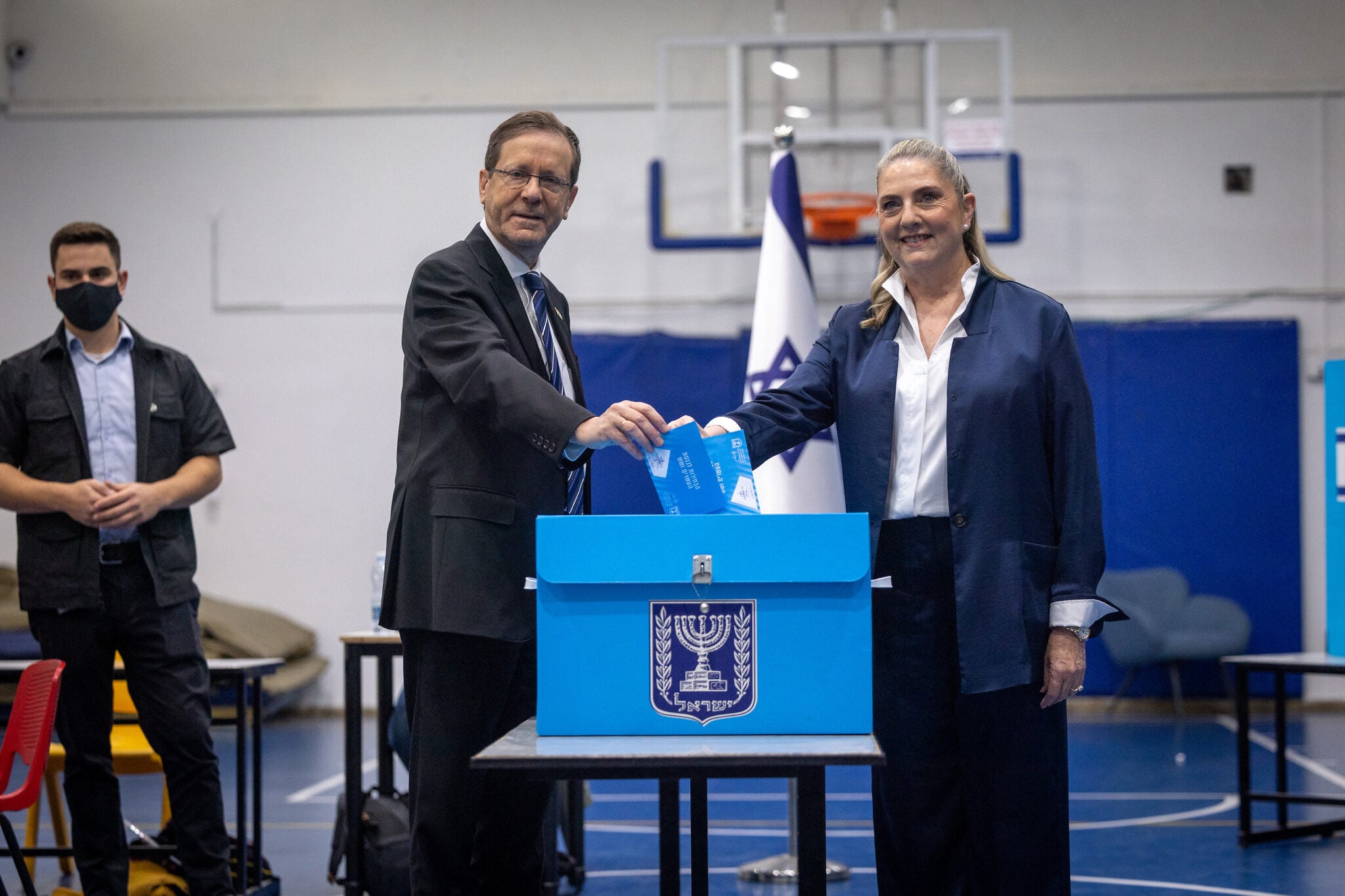
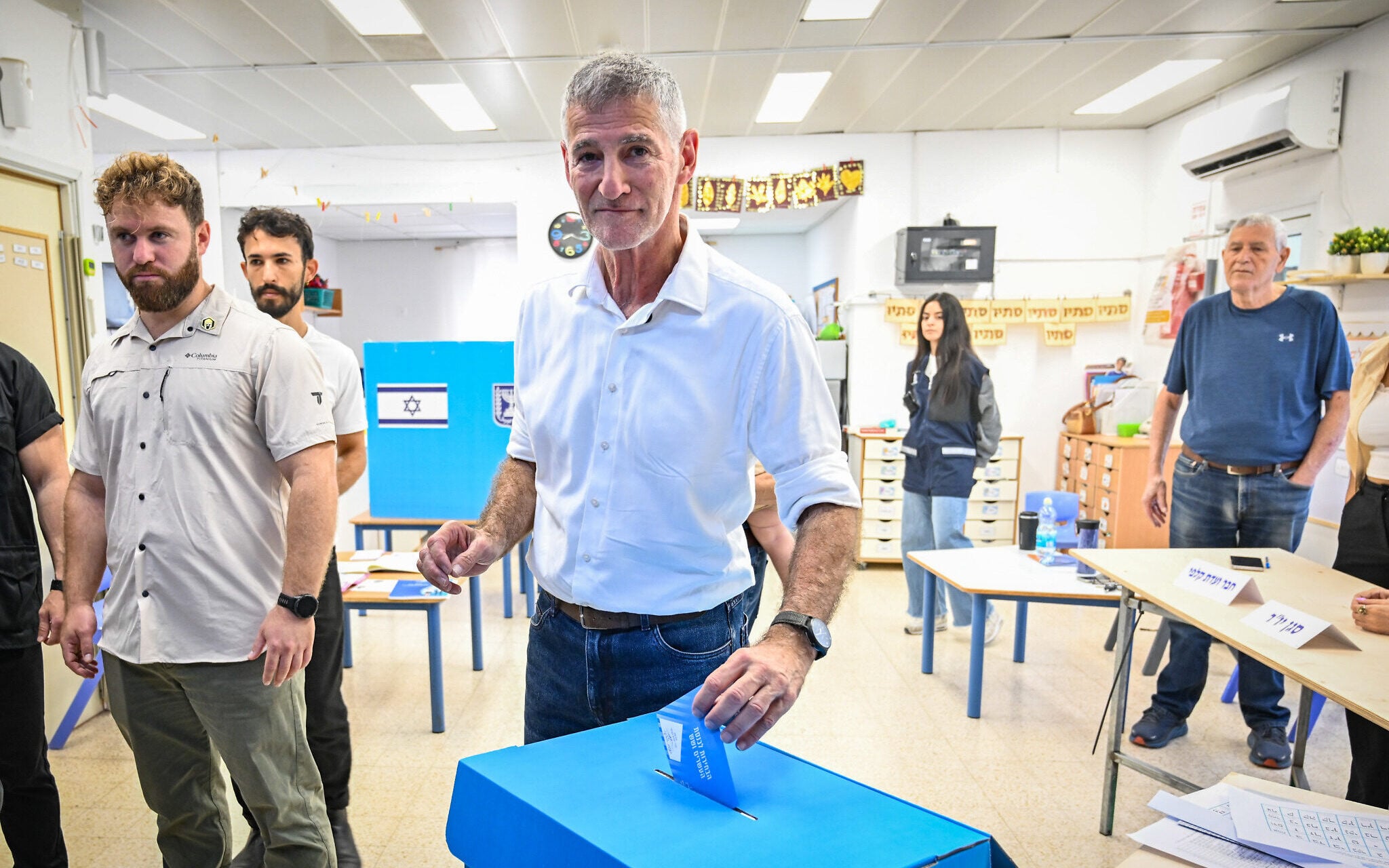

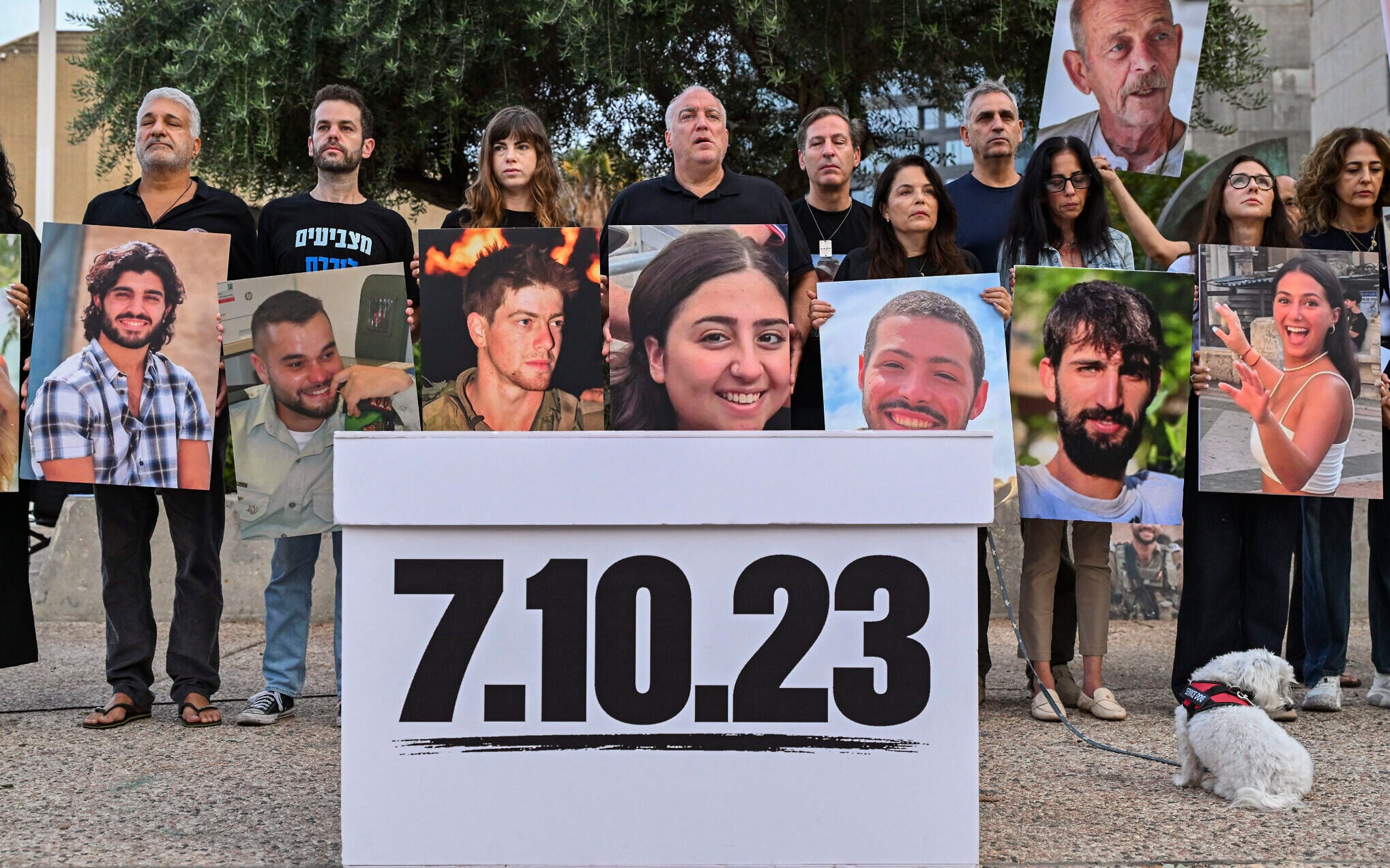
Key updates
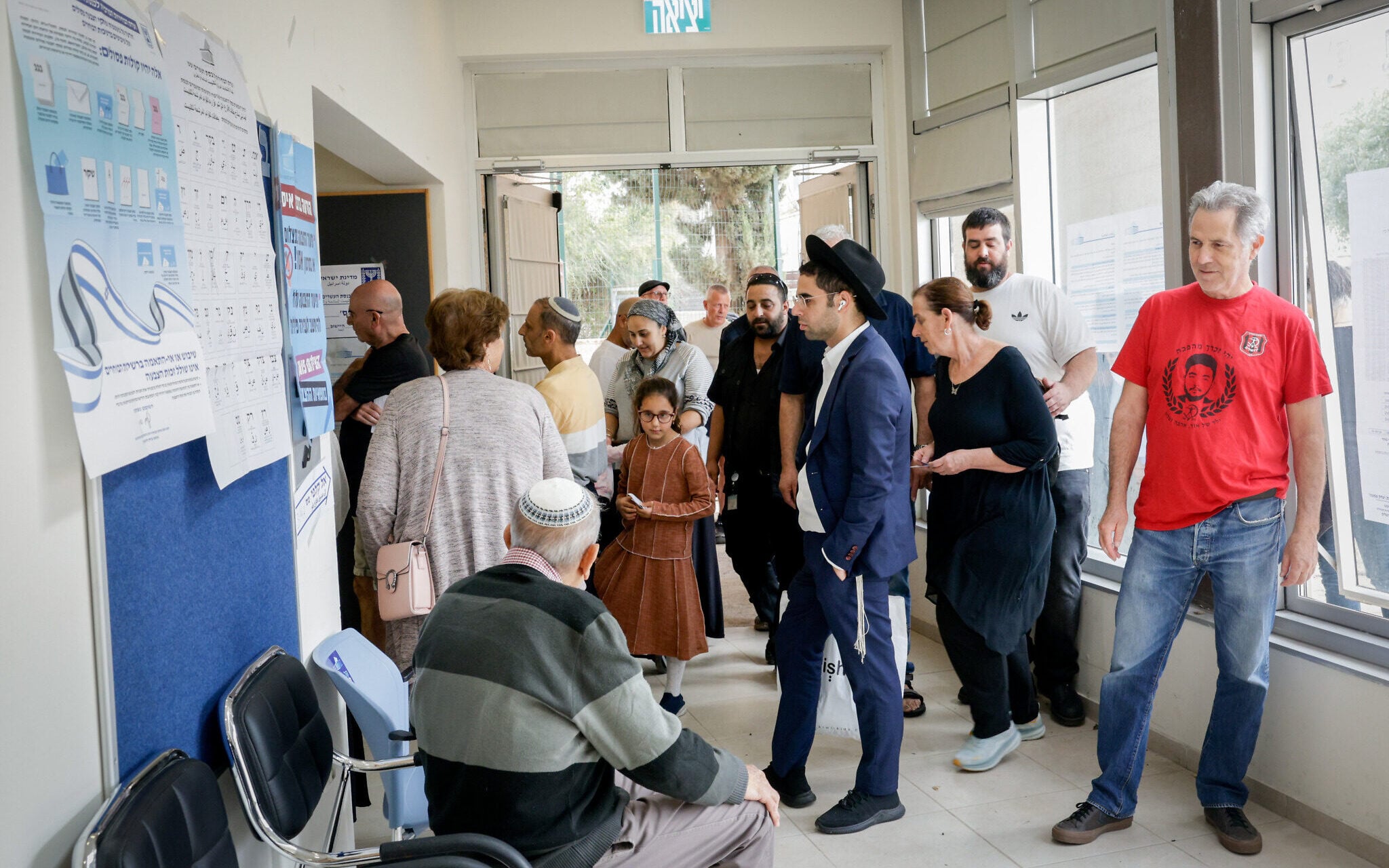
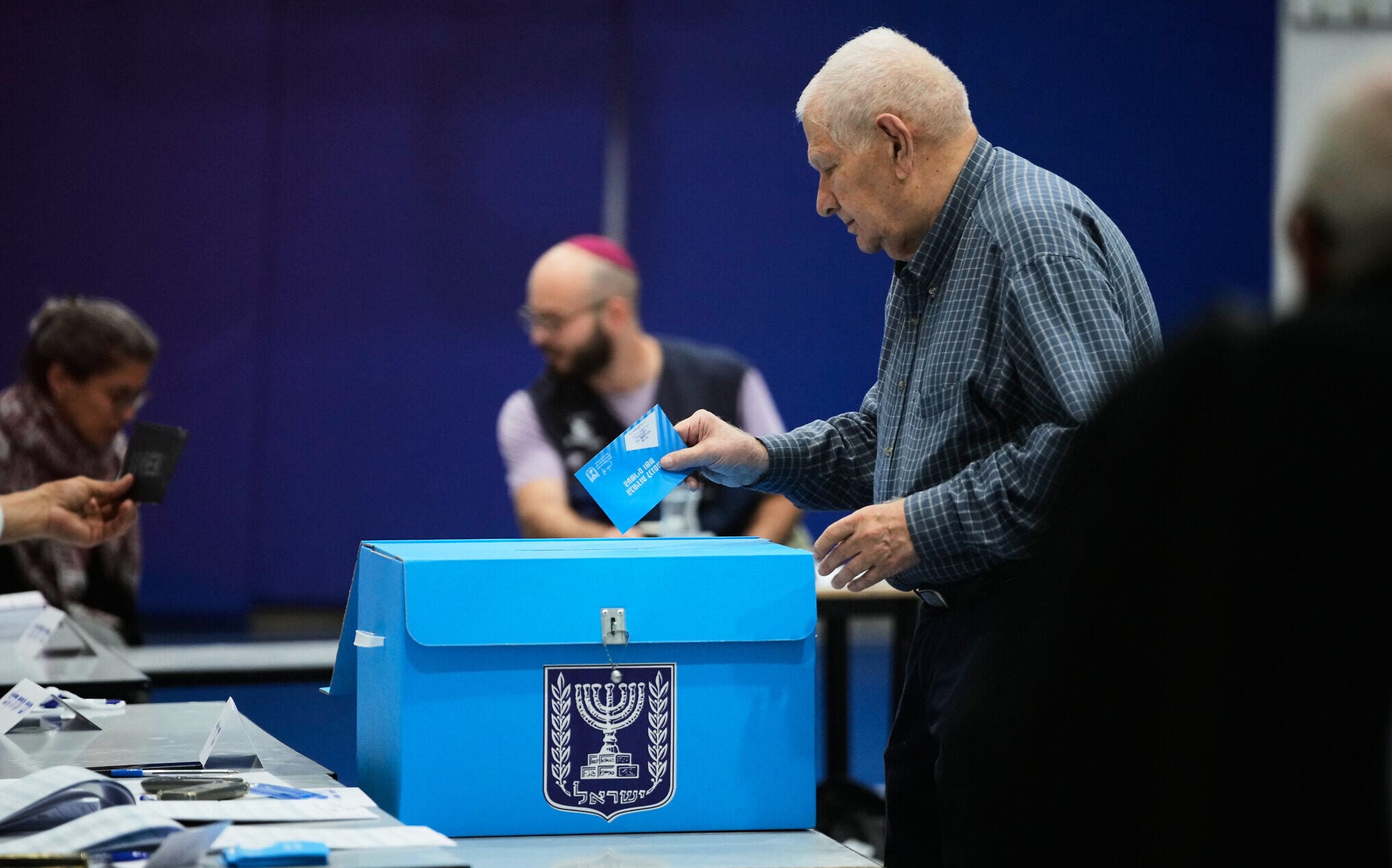
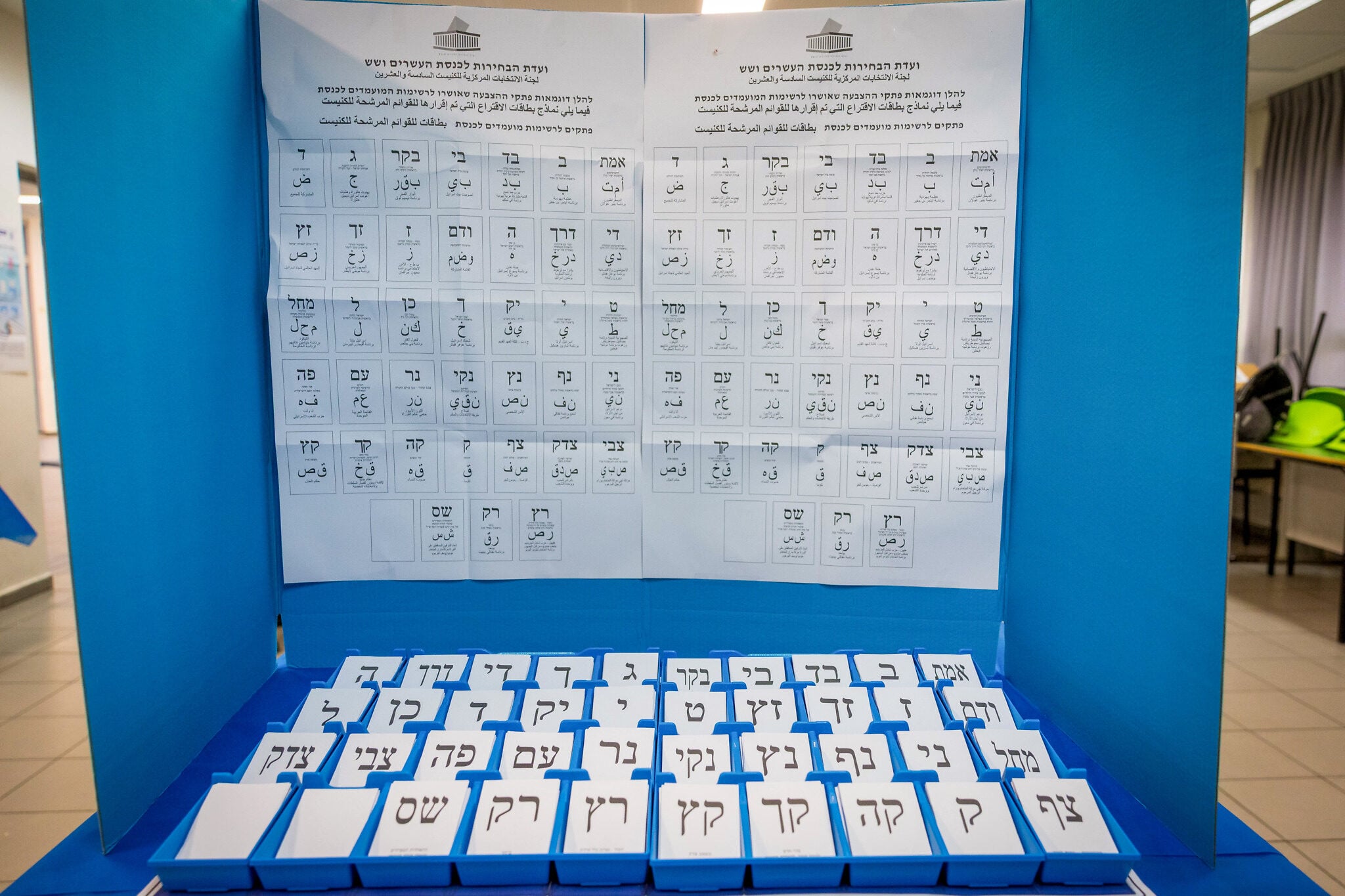
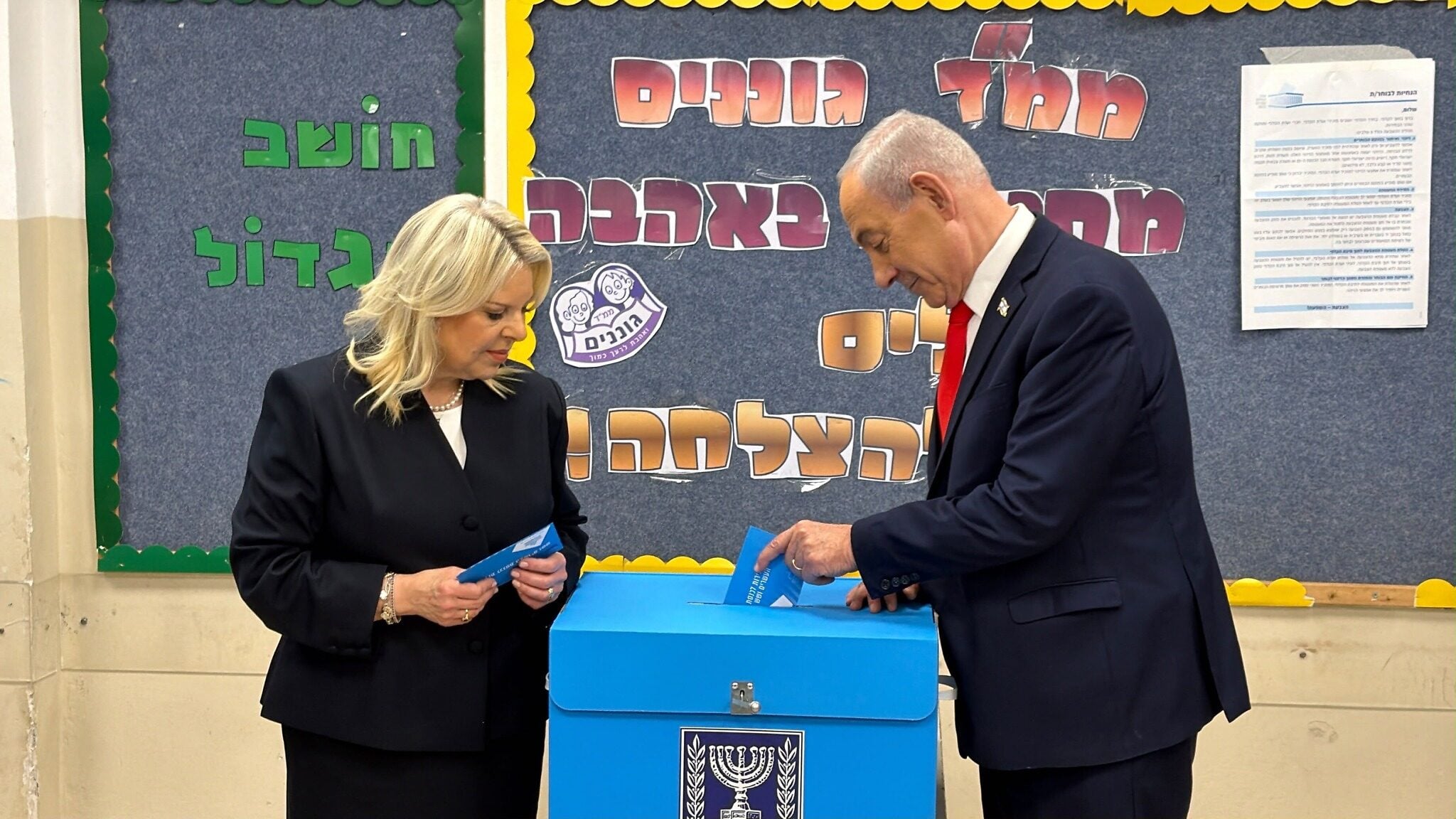
Voter turnout at 44.9% as of 2 p.m., highest at this hour since 1973 election
Voter turnout stood at 44.9% as of 2 p.m., according to the Central Elections Committee, up from 38.9% at the same time in the 2022 election.
It is the highest turnout at this hour since at least 1973, with at least three million people voting.
“We have surpassed all the records kept by the Central Elections Committee. There hasn’t been such a nationwide voter turnout since 1973,” says Dean Livne, acting director general of the Central Elections Committee.
Key Update
Voters in Maale Levona settlement and its farming outpost worry about evacuation, territorial concessions to Palestinians
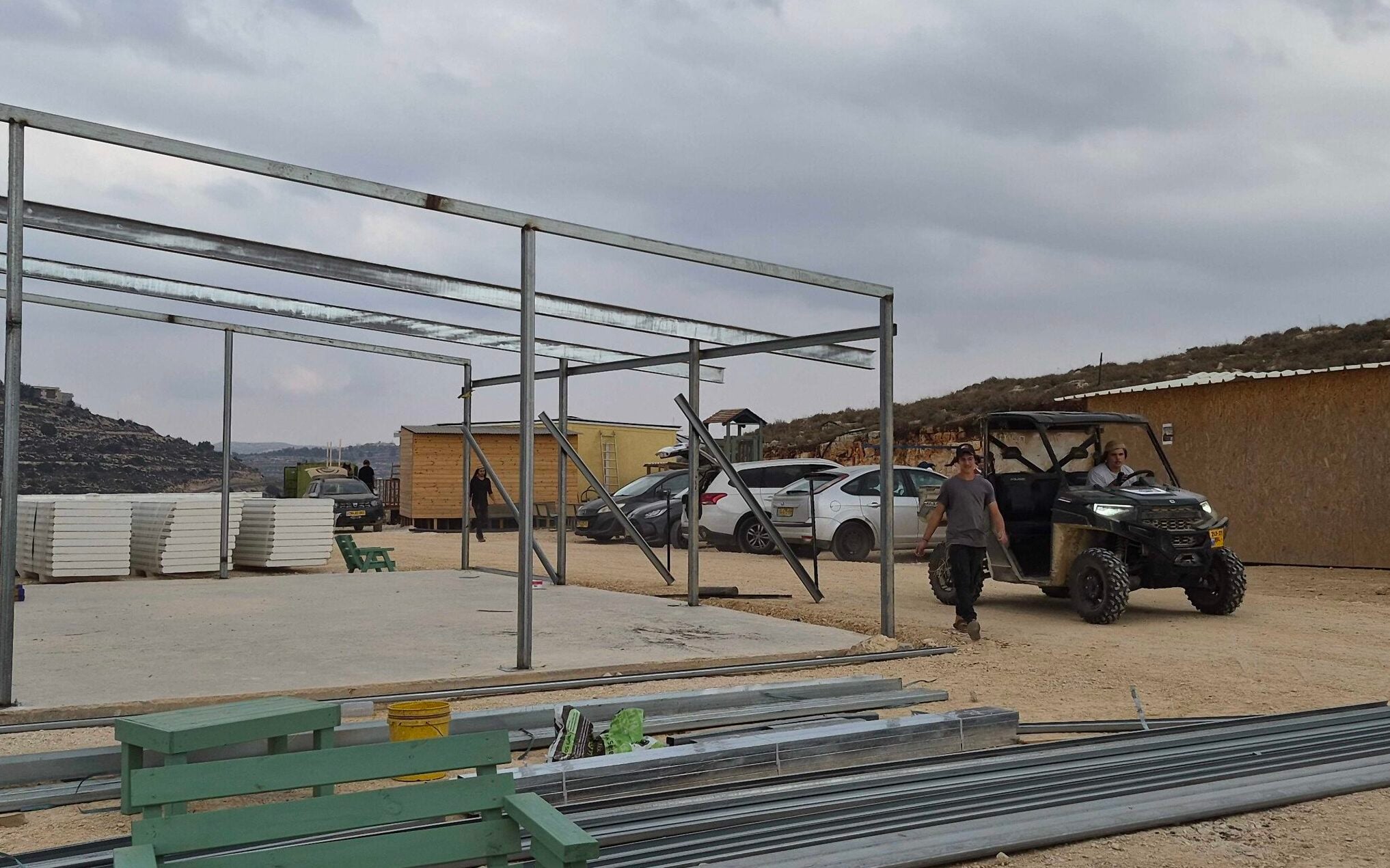
The Ram Farm West Bank settlement outpost where residents were building a new communal building ahead of the coming winter, October 27, 2026. (Jeremy Sharon/The Times of Israel)
Residents of a settlement farming outpost on a hilltop in the central West Bank say they are worried that a government formed by the opposition parties would demolish their nascent settlement and remove them.
The residents of Ram Farm just south of the Maale Levona settlement declined to be interviewed at length, saying they were “people of deeds not words,” and that all their efforts were being invested in building a new communal building before winter sets in.
The outpost was established in the spring this year in coordination with the Benjamin Regional Council, the local municipal authority, and the Amana settlement organization, which finished paving an access road last week, but lacks cabinet approval and so is technically illegal.
Over in Maale Levona, Valery Nirman, 82, says he voted for the ultra-nationalist Otzma Yehudit party because of the stance of party leader National Security Minister Itamar Ben Gvir in favor of annexing the West Bank and against territorial concessions to the Palestinians.
“The Palestinians were in Jordan and were kicked out; they were in Lebanon, and they were kicked out from there too; they try to take countries from their owners,” claims Nirman, who has lived in Maale Levona for 35 years but was born in Russia.
Zohar Hindi says he voted for the Likud party, declaring that no other politician in Israel would lead the country as effectively as party leader Prime Minister Benjamin Netanyahu.
“Everything he’s done until now has been amazing; there’s no one who can replace Bibi,” says Hindi, using Netanyahu’s nickname. Hindi rejects criticism of Netanyahu over the catastrophic October 7, 2023, invasion and massacres by Hamas, maintaining that it was the security chiefs who failed on that day, not the prime minister.
Addressing another key election issue, drafting the ultra-Orthodox into military service, Hindi says there is no need to do so, claiming there are “enough draft dodgers who are not Haredi who do not enlist,” and calling the issue “just a political gimmick” with which to attack the Likud party.
Daughter says 94-year-old father insisted on voting, died after returning from polling station
Israel Kreis, 94, dies after returning home from voting, his daughter tells the Ynet news site.
His daughter, Shirley, tells Ynet that she took her father, a Ramat Gan resident, to the polling station after he insisted on going to vote for Yashar leader Gadi Eisenkot.
“I took him by car to vote, and on the way back, as soon as he got out of the car, he collapsed and died at the entrance to the building,” Shirley says.
Ben Gvir, in Arab city, calls on supporters to vote to counter Arab Israelis’ ‘crazy voting rate’
National Security Minister Itamar Ben Gvir delivers a video statement from the Arab city of Kafr Qassem, calling on supporters to vote for his Otzma Yehudit party to counter the “crazy voting rate” in Arab communities.
“Now it’s up to you. If you want this country to stay Jewish and Zionist, if you don’t want it to be in the hands of Mansour Abbas and Ahmad Tibi, go out and vote,” Ben Gvir says, referring to the leader of the Arab-majority party Ra’am and a member of the Joint List, respectively.
כעת בכפר קאסם. אל תתנו להם לנצח!! pic.twitter.com/u3beOnzTkO
— איתמר בן גביר (@itamarbengvir) October 27, 2026
Yashar accuses Netanyahu of laying groundwork to challenge election results with baseless fraud claims
Gadi Eisenkot’s Yashar party accuses Prime Minister Benjamin Netanyahu of attempting to undermine confidence in the election results, following claims from the premier and other Likud figures that the election is being stolen, without evidence.
“Netanyahu is panicking and has begun making up stories and claiming that the election is being stolen. This is no accident. He is already laying the groundwork to challenge the election results,” Eisenkot’s party says in a statement.
The warning comes after Netanyahu claims that his opponents are trying to “steal the election.”
Yashar urges supporters to deliver an overwhelming victory over Likud in order to leave no room for Netanyahu to dispute the outcome.
“Today’s margin must be enormous, a lead that cannot be manipulated,” the party says.
Key Update
Voter turnout among IDF soldiers stands at 48%, over 3 points higher than in 2022
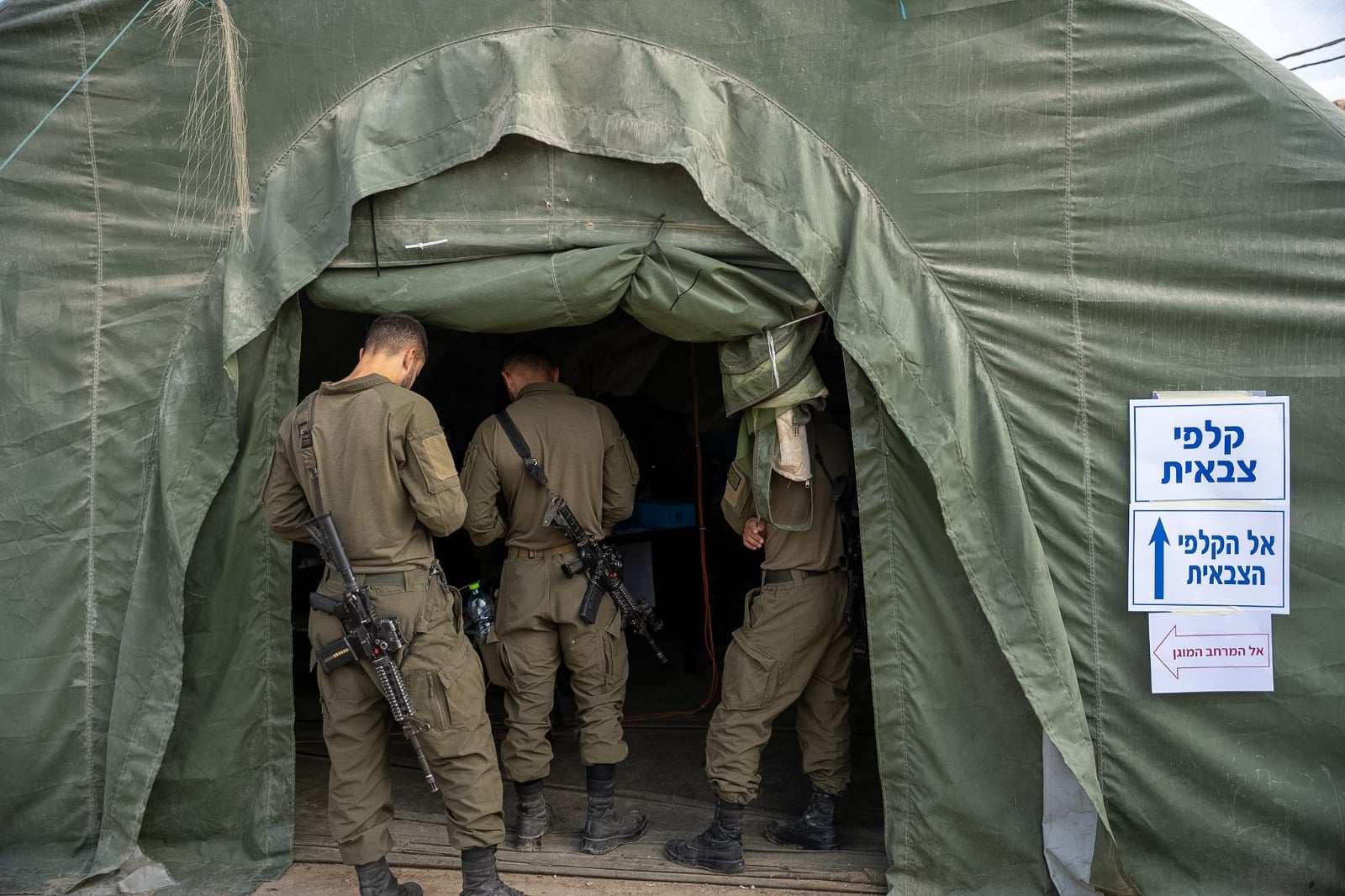
IDF troops vote in Israel's national elections at a military base in the Gaza Strip, in a handout photo published on October 26, 2026. (Israel Defense Forces)
Voter turnout among IDF soldiers stands at 48% as of 1 p.m., according to the military.
In the last election, in 2022, it was 44.4% at this hour.
The IDF began voting in the national election a week ago, with 850 polling stations deployed at military bases across the country and beyond Israel’s borders.
Bedouin town of al-Atawneh tops turnout rate, with 64.1% of voters casting ballots
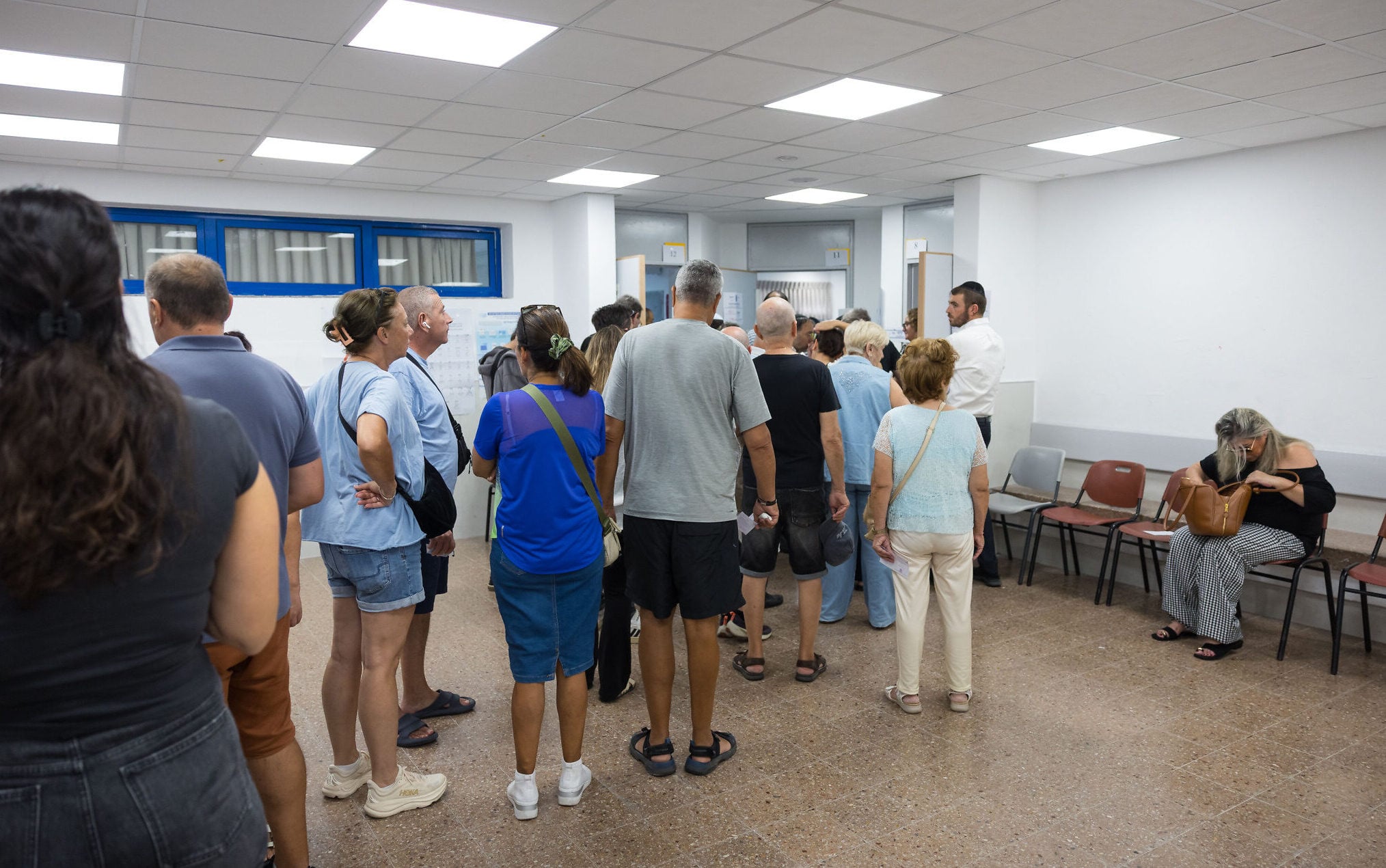
Israelis stand in line to cast their ballots at a polling station during the general election, October 27, 2026. (Liron Moldovan/FLASH90)
While overall voter turnout across the country stands at 31.5% as of noon, some towns have recorded much higher rates, according to data from the Central Elections Committee.
Topping the list is the Bedouin community of al-Atawneh in the Negev Desert, near Hura, where 64.1% of eligible voters had cast their ballots by noon. A total of 75 votes had been cast in al-Atawneh.
Many other small towns have similarly high turnout rates, reaching nearly 50%.
Among larger cities, outliers include Rahat, with a turnout of 39.9%, or 11,972 votes, and Modiin, with 36.7%, or 22,720 votes.
Man shot dead, another moderately wounded in Tayibe, police say
A man was killed and another was moderately wounded in a shooting in the central Arab town of Tayibe a short while ago, police say.
The circumstances of the shooting are under investigation, and there currently does not appear to be any link to the election, police add.
Casting ballot, Eisenkot vows to set Israel ‘on a new path’
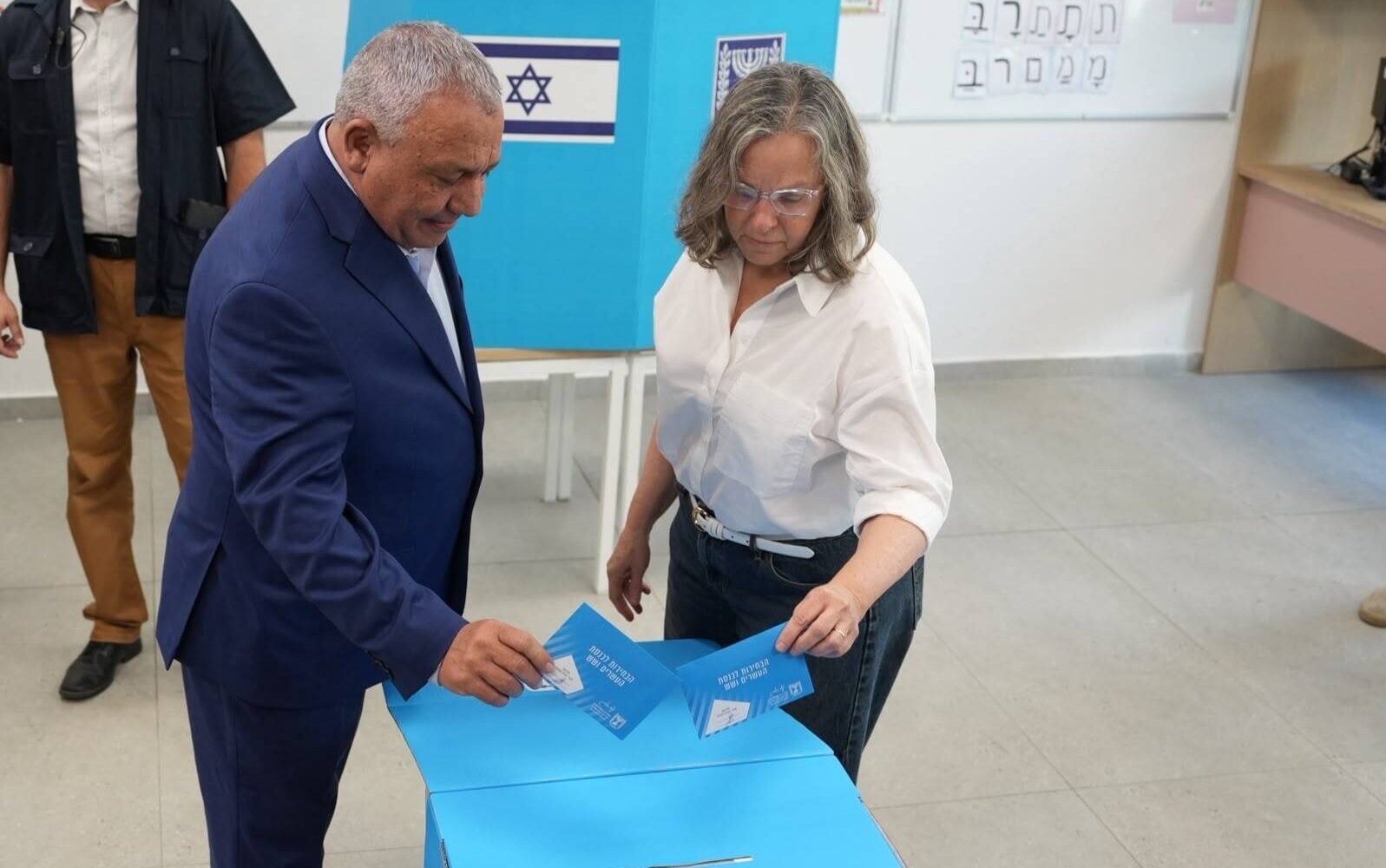
Yashar chairman Gadi Eisenkot casts his ballot in the 2026 Knesset election, alongside his wife, Hannah, October 27, 2026. (Yashar)
Yashar chairman Gadi Eisenkot casts his ballot in Herzliya, accompanied by his wife, Hannah, and other family members, as supporters greet him with chants of “Who’s coming? The next prime minister!” and “Gadi, Gadi, Gadi!”
Some in the crowd chant “Bibi, Bibi, Bibi,” referring to Prime Minister Benjamin Netanyahu by his nickname.
“We are setting Israel on a new path,” Eisenkot says after voting. “We will be worthy of your trust. I promise.”
עכשיו מקלפי ההצבעה בהרצליה ???????? pic.twitter.com/GqVGFKGg8L
— Gadi Eisenkot – גדי איזנקוט (@gadi_eisenkot) October 27, 2026
Ofakim full of posters for coalition parties, with activists for opposition Yisrael Beytenu admitting ‘support here is weak’
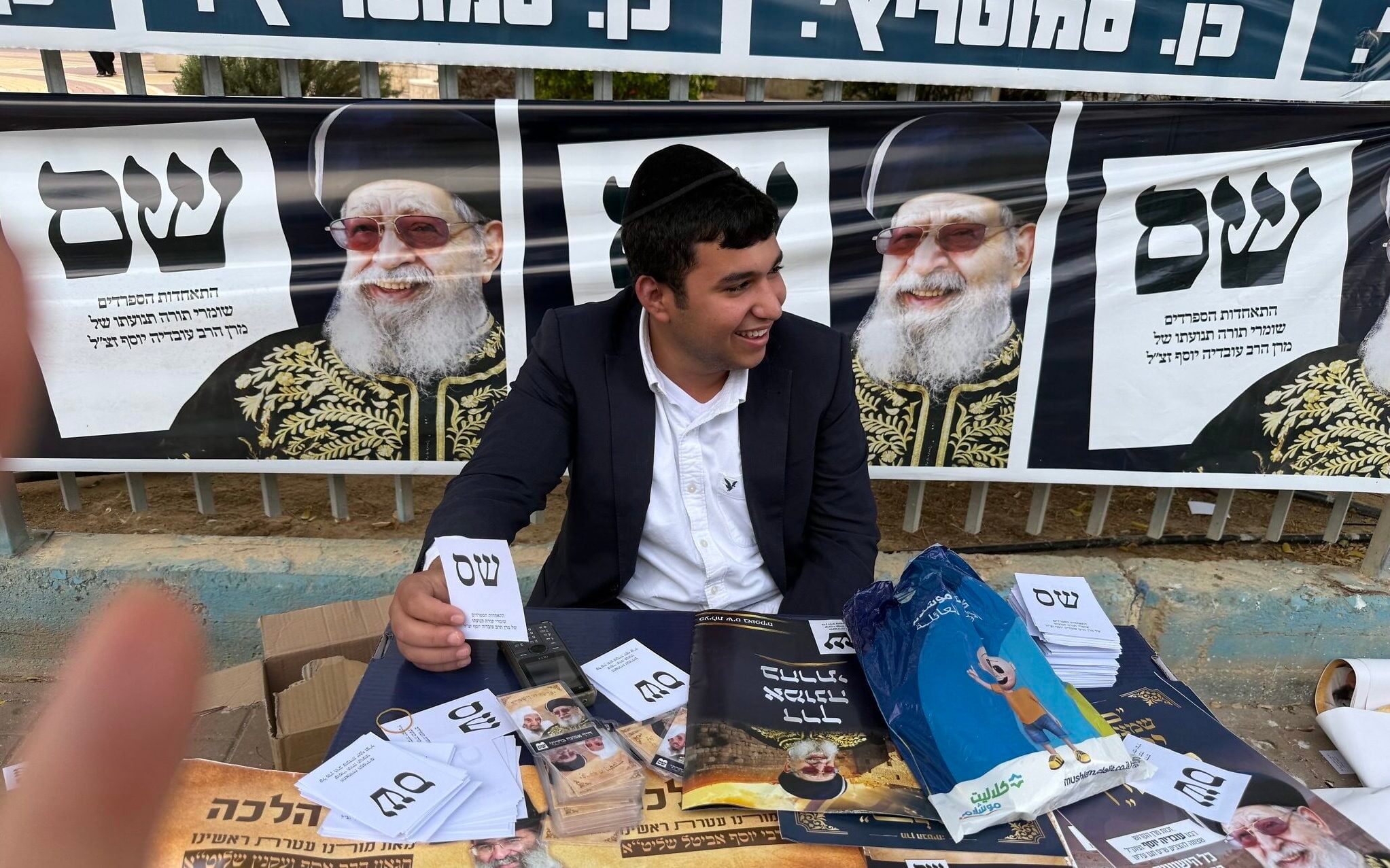
Yosef Levy hands out tickets and charms at a Shas stall outside a polling station in Ofakim, a right-wing religious stronghold hold in southern Israel, October 27, 2026. (Sue Surkes/Times of Israel)
In Ofakim, a southern town where more than half of the population voted for Likud or the Sephardic ultra-Orthodox party Shas in 2022, the political posters are pitching for the coalition parties.
In the Ramat Shaked neighborhood, two young men at a small stall representing Avigdor Liberman’s Yisrael Beytenu are trying to hand out information. “Support here is weak,” they admit. Yisrael Beytenu is the only party from the opposition bloc to be seen outside the polling station.
At the Shas stall, Yosef Levi is handing out charms — pictures of the late rabbi Ovadia Yosef with a piece of willow leaf stuck behind plastic on the other side.
“Put this in your car, and you’ll never crash. You won’t need car insurance!” he shouts to passersby.
Inside the polling station, young Shirel Elhazov is looking at the list of parties and telling her sister, “Vote either Likud or Ben Gvir.”
Shirel was visiting her grandmother in Ofakim’s western Mishor Hagefen neighborhood on October 7, 2023, when Hamas terrorists knocked on the door.
During the Hamas rampage through the town, 52 people, including residents, soldiers, and police officers, were cut down, 39 of them in Mishor Hagefen.
The family survived, but the scars remain. “I can’t support [Yashar’s Gadi] Eisenkot because he’s with Yair Golan [leader of the left-wing Democrats],” she says. “Did you hear Golan saying that there are innocent people in Gaza? What, and there were no innocents in [Kibbutz] Be’eri [where Hamas terrorists murdered around a 10th of the community and kidnapped 30 people]? We weren’t innocents?”
A woman running a stall for Avi Maoz’s far-right, religiously conservative party Noam sees on her cellphone that 50 percent of Arabs in Rahat have already voted, by contrast to previous years, when Arabs turned up to the polling stations mainly in the evenings. “We’re crazy that we gave them the vote,” she says to nobody in particular. She tells The Times of Israel, “They have their lands, Dubai, Iran. They’re desperate to emigrate. The British brought them in and suddenly the Arabs had been here for 2,000 years.”

read more: