

In world 1st bid to cure paralysis, Israeli team gears up to implant innovative spinal cord
With Health Ministry okay, Tel Aviv University prof will perform surgery that will mark the first time pieces of spine are engineered from human cells and then transplanted
 Add ToI as a Preferred Source on Google
Reporter at The Times of Israel
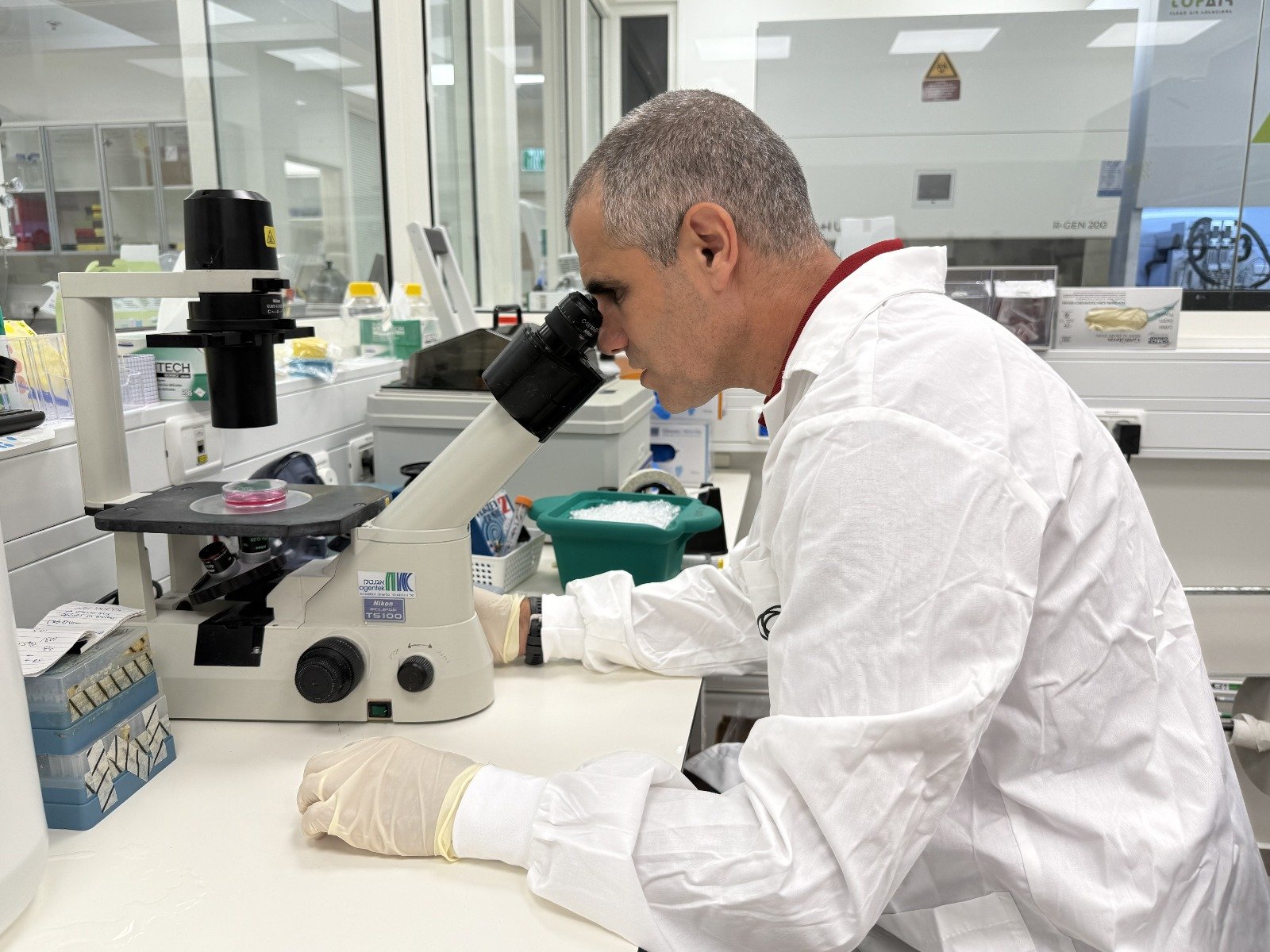
The world’s first-ever spinal cord implant into a paralyzed patient will be performed in Israel in the coming weeks.
Prof. Tal Dvir, head of the Sagol Center for Regenerative Biotechnology and the Nanotechnology Center at Tel Aviv University, said his research team is now able to engineer a spinal cord that functions exactly like a natural one by implanting 3D-engineered tissue into the damaged area.
Fusion then occurs between the new tissue and the healthy areas above and below the injury that will end the paralysis.
The Health Ministry gave its approval to begin compassionate use trials in eight patients six months ago, and the team is now in the process of selecting its first patient.
“The technology was developed here in Israel, and from the very beginning it was clear to us that the first-ever surgery would be performed in Israel, with an Israeli patient,” said Dvir.
“This is undoubtedly a matter of national pride.”
100% of recently paralyzed mice could walk
The upcoming spinal cord implant surgery marks the next stage in a process that began about three years ago, when Dvir’s lab at Tel Aviv University succeeded in engineering a personalized 3D spinal cord in the laboratory.
The groundbreaking findings, published in the prestigious journal Advanced Science, demonstrated for the first time ever that mice suffering from chronic paralysis that were treated with these engineered implants started to walk — and even scamper — again.
The success rate with the engineered spinal cord was 80 percent for mice with chronic paralysis. Among those with recent or short-term paralysis, 100% of the mice walked.
Dvir founded his biotech company, Matricelf, in 2019 with Dr. Alon Sinai. Dr. Tamar Harel-Adar leads the scientific development team.

Patients remain paralyzed because neurons do not renew
Around the world, there are over 15 million people who have suffered spinal cord injuries. Professionals can help stabilize the injury but not much else.
Dvir said that as a result, the damage only worsens. Over time, the damaged area becomes scar tissue.
“The patient remains paralyzed below the site of injury,” he said. “If the injury is in the neck, all four limbs may be paralyzed. If in the lower back, the legs will not move, and so on.”
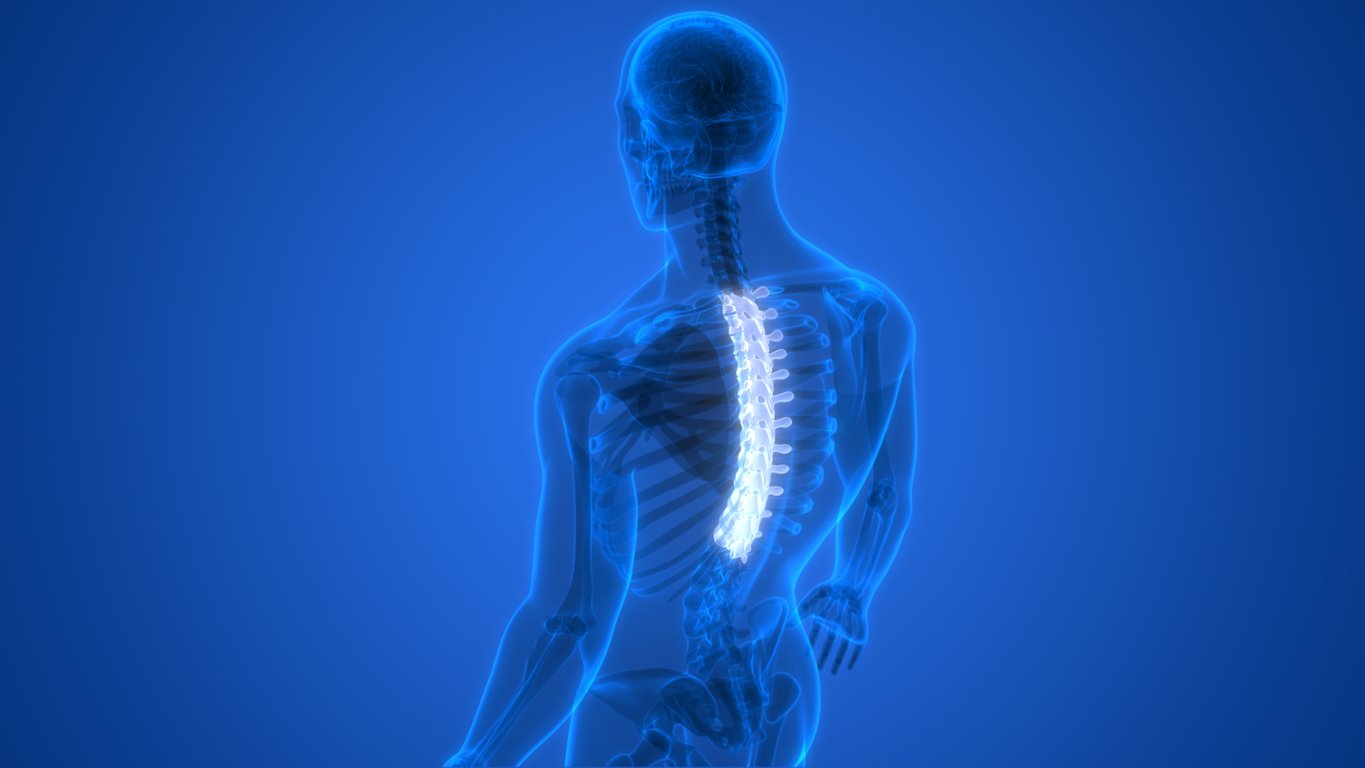
Spinal cord injuries are one of the very few injuries in the human body that are not impacted by natural regenerative ability, Dvir explained.
“The neurons do not divide and do not renew themselves,” he said. “These cells are not like skin cells, which can heal after injury, but are more like heart cells: Once damaged, the body cannot repair them.”
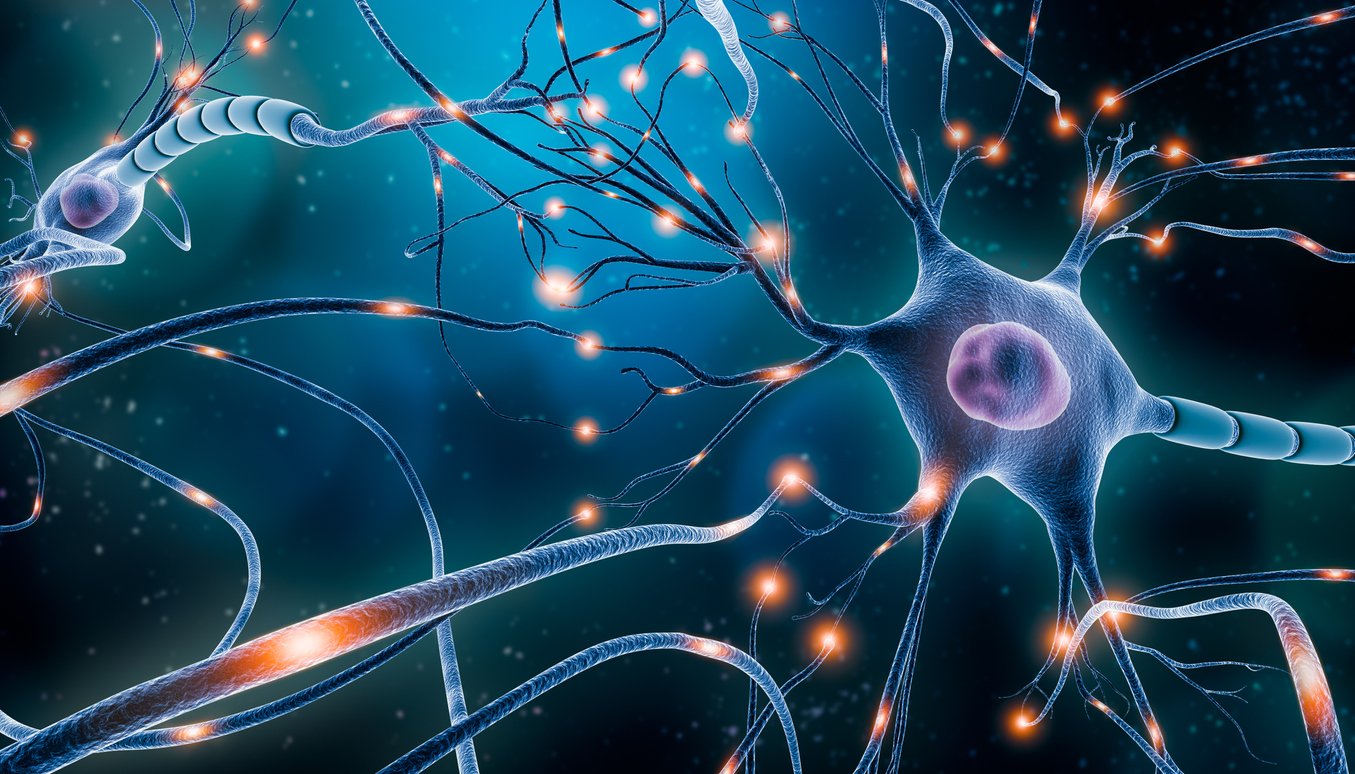
“The spinal cord is composed of nerve cells that transmit electrical signals from the brain to all parts of the body,” Dvir said. “The decision is made in the brain, the electrical signal passes through the spinal cord, and from there, neurons activate the muscles throughout the body.”
When the spinal cord is severed due to trauma, such as a car accident, a fall, or a combat injury, this chain is broken.
“Think of an electrical cable that has been cut,” Dvir said. “When the two ends no longer touch, the electrical signal cannot pass. The cable will not transmit electricity, and the person cannot transmit the signal beyond the injury.”
Dvir’s team aims to fix that.

Implanting an engineered human spinal cord
Dvir said that the researchers start the process with a small biopsy from the belly.
They then take these blood cells and perform a process known as reprogramming — genetic engineering that transforms the cells into embryonic stem cell-like cells, capable of developing into any cell type in the body.
In the next step, the scientists take fatty tissue from the patient, extract key components such as collagens and sugars, and build a customized hydrogel. The embryonic stem cell-like cells are placed in this gel, and the embryonic development of a spinal cord is mimicked.
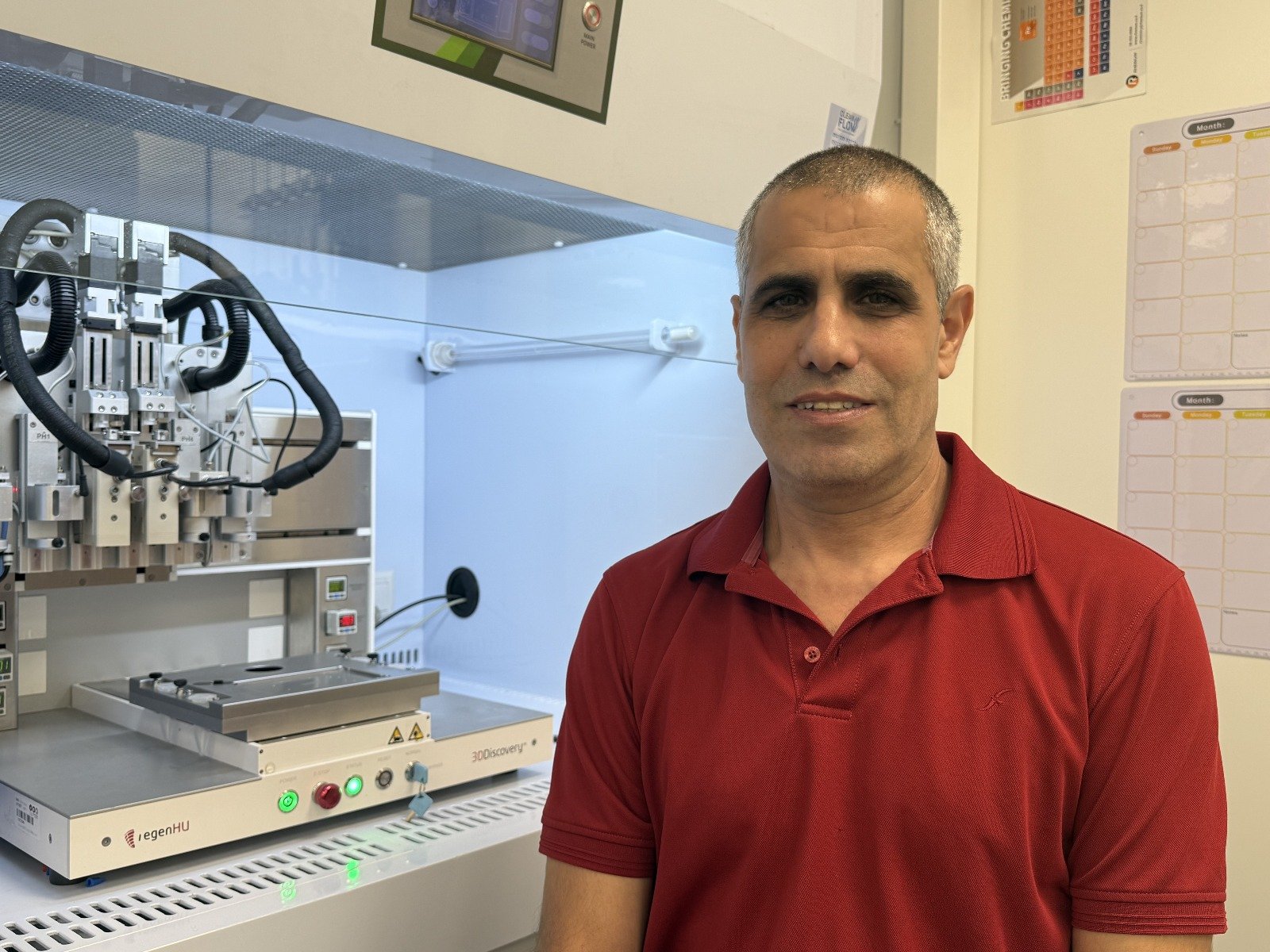
This spinal cord will then be transplanted into the human body, restoring the body’s abilities.
“We are highly confident in this process,” Dvir said. “Our goal is to help paralyzed patients rise from their wheelchairs and walk again.”










The Times of Israel Community.