

Lebanese PM says international force needed after UNIFIL disbands at end of 2026
‘We will always need an international presence in the south, and preferably a UN presence,’ argues Nawaf Salam, as effort to disarm Hezbollah continues
 Add ToI as a Preferred Source on Google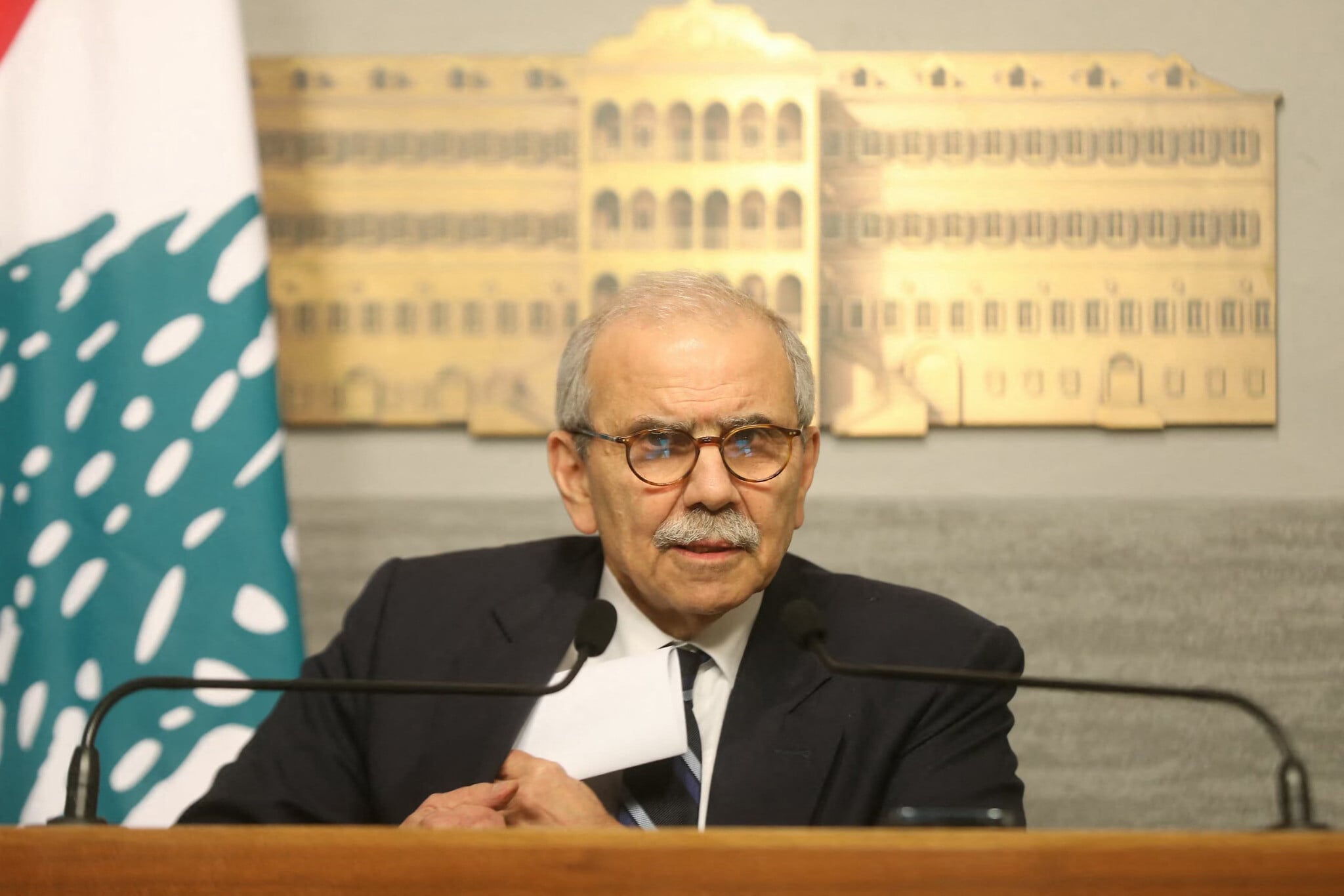
PARIS, France — Lebanon will need some sort of international force after the withdrawal of the United Nations’s UNIFIL mission scheduled for the end of 2026, Prime Minister Nawaf Salam argued during a visit to Paris Saturday.
Some 10,800 UN officials have manned a buffer zone between Israel and Lebanon since March 1978, but they will have one year to leave Lebanon starting 31 December, under a resolution passed last August under pressure from the United States and Israel.
UNIFIL’s mandate was expanded in 2006, following a month-long war between Israel and Hezbollah, to allow peacekeepers to help the Lebanese army keep parts of the south free of weapons or armed personnel other than those of the Lebanese state.
Israel has long argued that the force had failed in its mission, doing little to block Hezbollah from building up its forces near the Israeli border over decades. In October 2023, Israel has said the terror group’s forces had been very close to launching a mass invasion of northern Israel.
“We will always need an international presence in the south, and preferably a UN presence, given the impartiality and neutrality that only the UN can provide,” Nawaf Salam said the day after a meeting with French President Emmanuel Macron.
The force would need a mix of observers and peacekeepers, largely because of a “history of hostility” with Israel, he added.
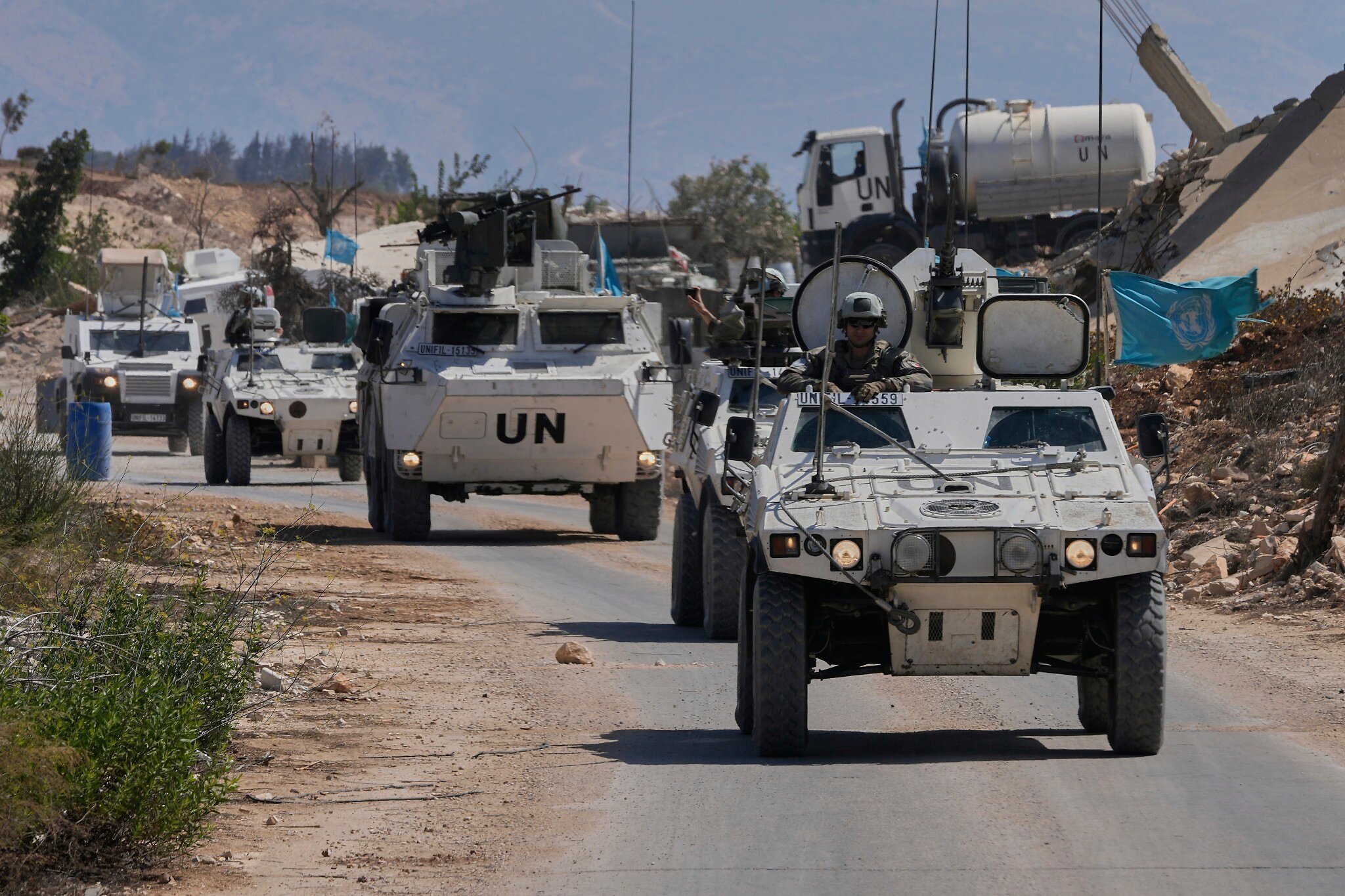
UN observers currently operate in southern Lebanon in cooperation with the Lebanese army, part of a ceasefire between Israel and the Iran-backed Shiite Hezbollah that has been in place since November 2024.
While Israel was supposed to withdraw its forces from southern Lebanon, it has maintained them in five areas it considers strategic.
It regularly conducts airstrikes in the country on what it claims are Hezbollah sites and members, whom it accuses of rearming.
Questioned about Hezbollah’s promised disarmament, Salam said phase two of this process had begun “two weeks ago.”
The Lebanese army says it has completed the first phase, which calls for disarming Hezbollah south of the Litani River. Israel has called the progress on this objective “encouraging” but insufficient.
The second phase will involve disarmament between the Litani and the Awali River, an area further north that has significant Hezbollah influence.
“I can clearly see that phase two has different requirements than phase one,” said Salam, adding that Hezbollah’s rhetoric had been “rather harsh.”
“But let me be clear, we will not back down,” he added.



The Times of Israel Community.