

Jerusalem security tightened ahead of Yom Kippur, Eid al-Adha
Thousands of police to be deployed in capital ahead of Jewish Day of Atonement; only Muslims allowed onto Temple Mount during their 4-day festival
 Add ToI as a Preferred Source on Google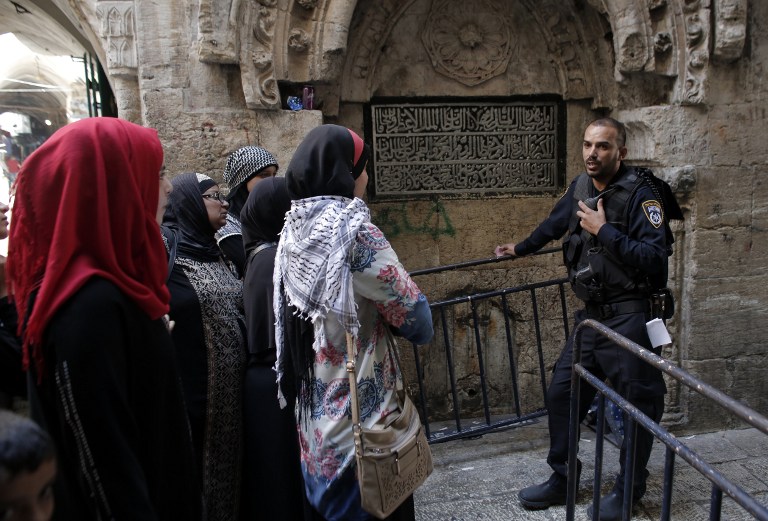
Israel said Monday thousands of police would be deployed in Jerusalem ahead of the Yom Kippur and Eid al-Adha holidays after three days of clashes rocked the Temple Mount compound last week.
Authorities also said 66 people had been arrested in Jerusalem over the past week, including some detained in connection with the unrest at Al-Aqsa Mosque, which saw Israeli police clash with rioters.
Yom Kippur begins on Tuesday night and lasts until Wednesday evening, with thousands of Jews expected to visit the Western Wall below the Temple Mount in Jerusalem’s Old City, called Haram al-Sharif or the al-Aqsa compound by Muslims.
The Muslim Eid al-Adha holiday begins on Wednesday evening and continues until Sunday.
From Monday night, traffic will be restricted around the Old City and checkpoints will be set up.
The holy site will be open to visits as usual on Wednesday, but during the four-day Eid holiday only Muslims will be allowed access, police said.
Israeli authorities said they would decide on Tuesday whether to impose age restrictions on Muslims entering the compound. They have previously prevented younger people from entering to reduce the risk of violence when tensions have run high.
Last week’s clashes occurred during the Jewish New Year, or Rosh Hashanah.
Police said they raided the Temple Mount to stop youths who had barricaded themselves inside the mosque from disrupting visits by Jews and tourists.
Clashes broke out during the raids, with protesters throwing fireworks, stones and other objects at police, who fired stun grenades.
There were also clashes in the alleyways of the Old City outside the compound. Friday saw further unrest in the West Bank and sporadically in Jerusalem.
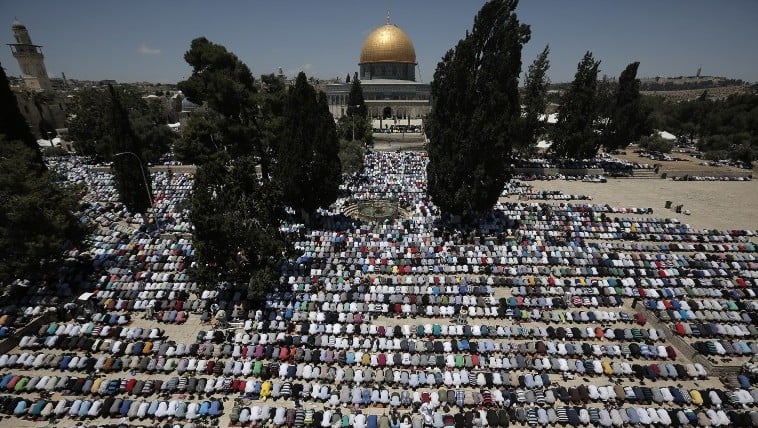
The Temple Mount is the holiest site in Judaism and is also venerated in Islam as the religion’s third holiest site.
Muslims have expressed anger over visits by Jews to the site and fear rules governing the compound will be changed. Jews are allowed to visit but not to pray, to avoid provoking tensions.
Israeli Prime Minister Benjamin Netanyahu has said repeatedly he is committed to the status quo at the site.
In a further sign of tight security, Israel has also deployed two anti-missile batteries around the cities of Sderot and Netivot near the Gaza Strip, Army Radio reported.
Three rockets were fired into southern Israel in recent days from the Palestinian enclave controlled by the Islamist Hamas group, without causing any direct casualties.




The Times of Israel Community.