

Neither side wants nuke talks extension, Iranian diplomat says
Tehran and Western powers determined to reach deal ahead of deadline, according to negotiator Abbas Araqchi
 Add ToI as a Preferred Source on Google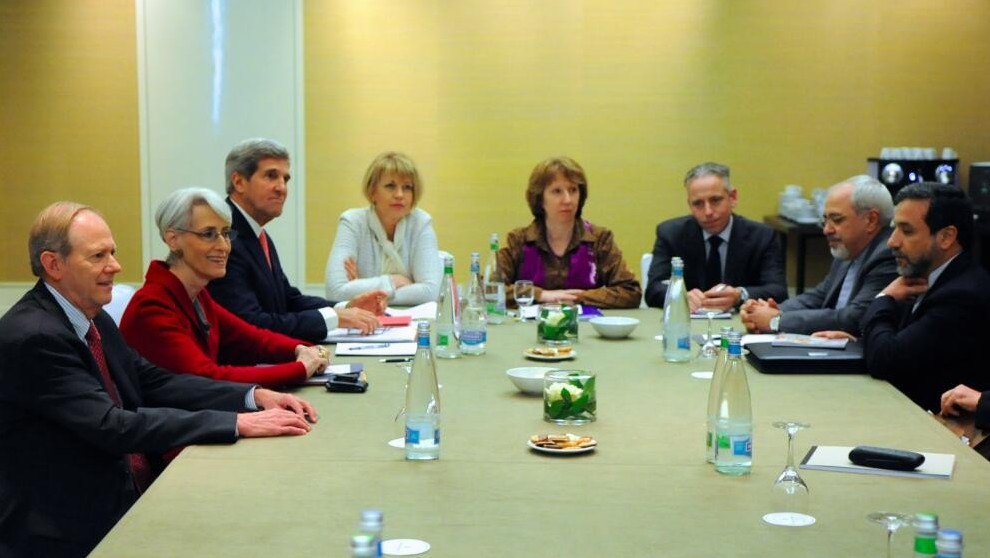
Neither Iran nor six world powers are looking to extend talks on Tehran’s nuclear program, a senior Iranian official said Sunday.
The statement by Deputy Foreign Minister Abbas Araqchi, who has been Iran’s point man in the talks, came as the sides have failed to come to a long-term deal despite a flurry of diplomatic activity ahead of the November 24 deadline.
“Neither of the negotiating parties is interested in the extension of the talks,” Araqchi said according to Iran’s state-run Press TV. “All sides are determined to achieve an agreement prior to the deadline. Therefore, extension is not on the agenda of any of the parties.”
Araqchi’s statement constituted a turnaround from just over a week ago, when he was quoted by the semi-official Fars news agency as saying that an extension was under consideration and that it was “possible.”
However, Iranian Foreign Minister Mohammad Javad Zarif had said Friday that Tehran does not want to extend its nuclear talks with world powers.
Negotiations between Iran and the six world powers (the US, UK, France, Russia, China and Germany) are scheduled to resume on Wednesday with expert-level talks.
The talks were already extended once earlier this year and reportedly remain stuck over the size and output of Iran’s uranium enrichment program, a possible pathway to nuclear arms.
Israel has lobbied against any deal that leaves Iran with the capacity to enrich uranium.
The sides reached an interim deal nearly a year ago to ease sanctions in return for curbed enrichment. That agreement may expire if talks break down.
Diplomats told the Associated Press last month that US had begun floating alternates to reducing centrifuges that would eliminate the disagreement but still accomplish the goal of increasing the time Iran would need to make a nuclear weapon.
Among them was an offer to tolerate more centrifuges if Tehran agreed to reduce its stockpile of low-enriched uranium, which can fuel reactors but is also easily turned into weapons-grade material.
Back then, Iran was noncommittal. But the two diplomats said Thursday it recently began discussions with Moscow on possibly shipping some of its low-enriched stockpile to Russia for future use as an energy source. Russia supplies fuel for Iran’s existing nuclear reactor.
The diplomats demanded anonymity because they were not authorized to discuss confidential information. They stressed the discussions were preliminary and Iran had made no commitment.
Experts say the low-enriched uranium Iran has stored, if further enriched, could arm up to seven nuclear weapons. They estimate it would take Tehran between 3-to-12 months to have enough weapons-grade uranium for one bomb.
News agencies contributed to this report.




The Times of Israel Community.