

PM denies he knew lawyer’s role in alleged ‘pay for play’ submarine deal
State prosecution says it is looking into the matter to determine possible conflict of interest on Netanyahu’s part
 Add ToI as a Preferred Source on Google
Prime Minister Benjamin Netanyahu denied on Thursday that he had any prior knowledge of his long-time personal lawyer’s alleged involvement in a multi-billion shekel deal to purchase German submarines.
The state prosecution’s office announced that it would look into the matter to determine if there was a conflict of interest on Netanyahu’s part, according to Channel 2.
According to a Channel 10 report earlier this week, David Shimron, who has spent years defending Netanyahu against dozens of claims of malpractice and misuse of office for personal gain, is being accused of a serious conflict of interest due to his links to the German shipbuilder attempting to sell the vessels to Israel.
Shimron serves as the representative of ThyssenKrupp, a European multi-national conglomerate based in the German cities of Duisburg and Essen. Netanyahu has been pushing for Israel to buy the craft, against the objections of the IDF and former defense minister Moshe Ya’alon, Channel 10 reported.
Netanyahu said Thursday that he first learned of Shimron’s involvement when Channel 10 asked for his response before airing the report on Tuesday.
“Shimron never brought up submarines or ships or any other issue concerning his clients with the prime minister,” the Prime Minister’s Office said in a statement, adding that Shimron had not discussed the German client or any other client with Netanyahu. The PMO said that members of Netanyahu’s inner circles, including Shimron, “know not to discuss their [personal] business dealings with the prime minister.”
“The only consideration the prime minister had [in mulling the German deal] was strengthening Israel’s capabilities in regard to [obtaining] strategic vessels, essential to ensure [Israel’s] future,” the PMO said.
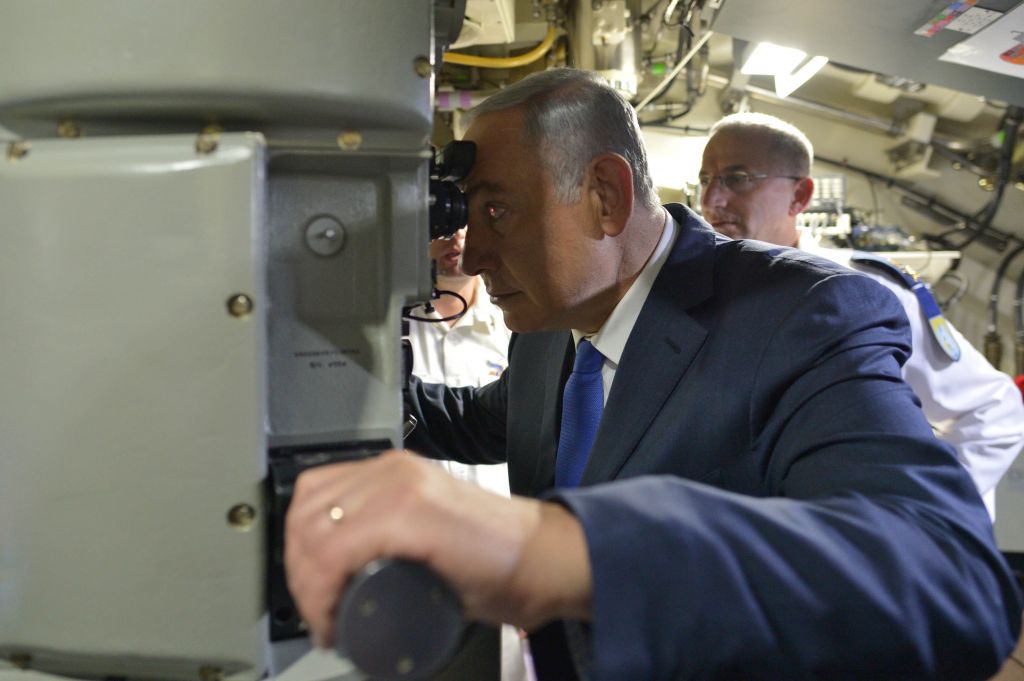
“Any attempts to suggest that he had any other consideration in the decision to purchase submarines for the Israeli Navy are false and lacking any basis in reality,” the statement read.
Netanyahu told Channel 10 on Tuesday that he had never discussed Shimron’s private clients with him and that “the only reason for the deal with the Germans is strategic and economic considerations.”
Responding to the initial report Tuesday, Shimron said he “did not discuss these matters with the prime minister,” and denied any effort to influence a decision over the deal.
“I have not spoken with any state officials about the privatization of the naval shipyard, nor I have not dealt with any state officials about vessels purchased by the State of Israel,” he said in a statement.
Writing on Facebook late Wednesday night, Netanyahu said that the deal “was done in an orderly, professional manner with no outside influence and with the recommendation of all the professional bodies in the Defense Ministry, the IDF and the National Security Agency (NSA).”
The NSA, a body operated under the auspices of the Prime Minster’s Office, released its own statements challenging what it called “a wave of false reports” and saying that deal received Ya’alon’s full support.
In another statement released Thursday, the NSA said that it was involved “in every stage of the purchase of the submarines” and that the process was handled correctly.
On Tuesday, a former deputy head of the NSA was arrested on suspicion of taking bribes from German acquaintances to push forward business deals involving Israel’s burgeoning natural gas development. It’s not known if there was any link between the suspicions against Avriel Bar-Yosef and Shimron.
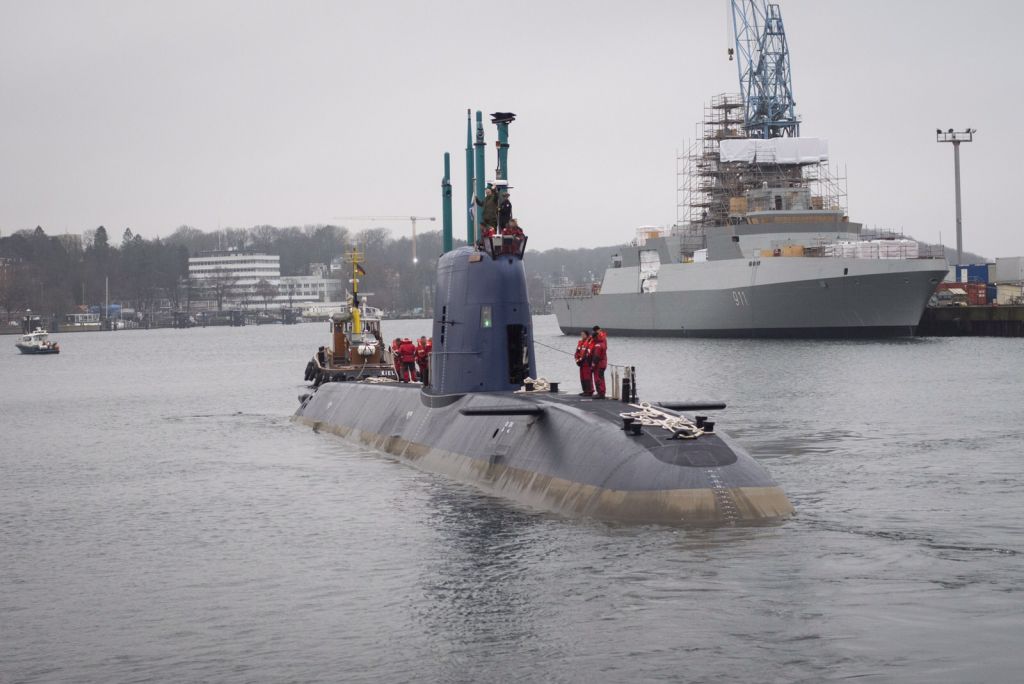
Netanyahu announced in a cabinet meeting last month that Israel was in the process of negotiating the purchase of three new submarines for the Israeli Navy, which currently maintains a fleet of five underwater vessels, with another slated to be delivered in coming years.
The new submarines — valued at around NIS 6 billion ($1.5 billion) — were intended as replacements for the military’s older models.
According to the report, neither Ya’alon, who served as defense minister when the deal was first proposed, nor the IDF was in favor of purchasing the new submarines — somewhat of a change of pace in the normal narrative of the defense establishment fighting for acquisitions — as the decision did not fit with the Defense Ministry’s multi-year plan for the army.
But an IDF spokesperson said Thursday that the army did not oppose the purchases, saying in a statement that it informed the cabinet of “the need” for the new submarines.
Netanyahu is said to have started dealings with the German government without informing Ya’alon, who only learned of the plan after news of it leaked out.
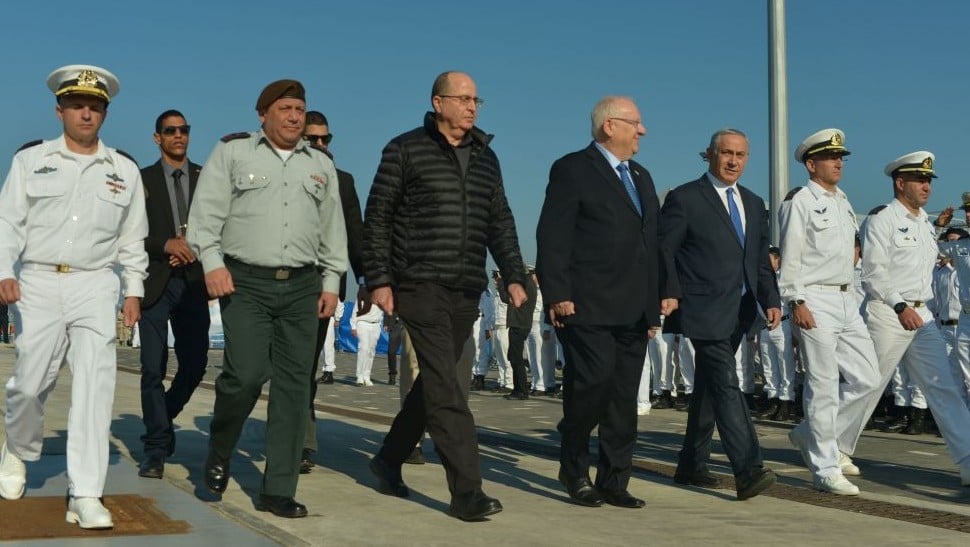
Apparently furious, the then-defense minister sparred with Netanyahu in the prime minister’s office, with the two reportedly shouting at one another over the issue.
Ya’alon succeeded in torpedoing the plan, but once he stepped down as defense minister in May, Netanyahu renewed the negotiations with the Germans for the new submarines, the report said.
Contacted by The Times of Israel, Ya’alon declined to comment on the deal. A source said to be in his inner circle told Channel 2 Thursday that he had tried to dissuade Netanyahu from the deal.
In a Facebook post later Thursday, Ya’alon confirmed that he “vociferously objected” to the deal, arguing that the military did not need additional submarines, not then and “not in the near future.”
“I don’t know what happened or what was signed after I left the Defense Ministry, but Raviv Drucker’s report on the matter is very disturbing and warrants a thorough probe by the relevant authorities,” Ya’alon wrote.
The former defense minister said that the statement provided Thursday by the NSA on the issue was “lacking and did not reflect the reality as I understood it.”
According to Channel 10, Shimron represents the German shipyard slated to build the submarines and has been holding high-level meetings on behalf of the company’s Israeli agent Miki Ganor.
Shimron reportedly met with Histadrut labor federation chair Avi Nissenkorn and the head of an IDF labor union in an attempt to secure for the German shipyard ongoing responsibility for the vessels’ maintenance while they are in Israel, as opposed to the navy.

Shimron’s involvement has raised questions about a possible conflict of interest for both him and the prime minister, especially given Netanyahu’s determination to complete the deal despite the reported IDF opposition.
“It looks bad,” Michael Partem, vice chairman of The Movement for Quality Government in Israel, told The Times of Israel. “It raises many troubling questions of access and peddling influence and pay-to-play politics.”
The anti-corruption NGO has called on Attorney General Avichai Mandleblit to investigate the claims. “It would appear that Netanyahu gave access in exchange for someone else getting a fee. There is nothing conclusive yet but it is certainly suspicious enough to warrant a police investigation.” Partem said.
Judah Ari Gross contributed to this report.




The Times of Israel Community.