

Russia launches offensive in Syria, airstrikes hit Aleppo
After lull of 3 weeks, aircraft from newly arrived Russian carrier carry out renewed bombing on rebel targets
 Add ToI as a Preferred Source on Google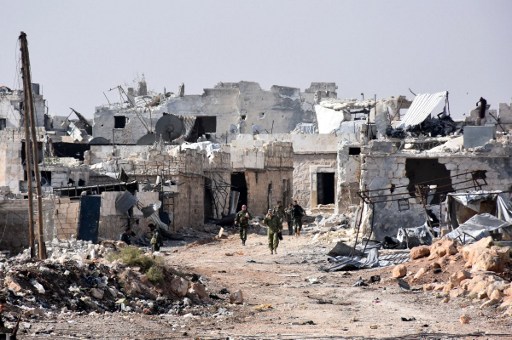
BEIRUT (AP) — Russia announced a major air offensive in Syria on Tuesday as Syrian opposition activists reported the first airstrikes in three weeks in the besieged, rebel-held part of the northern city of Aleppo.
The offensive began hours after Russian President Vladimir Putin and US President-elect Donald Trump discussed Syria over the phone and agreed on the need to combine efforts in the fight against what the Kremlin called their Number One enemy — “international terrorism and extremism.”
US President Barack Obama’s administration has been trying for months to negotiate a ceasefire in Aleppo, the epicenter of the war between President Bashar Assad and rebels fighting to topple him, some of whom receive US aid. Al-Qaeda’s local affiliate fights alongside the rebels, but the Islamic State group has no presence in Aleppo.
Russian Defense Minister Sergei Shoigu said in a meeting with Putin on Tuesday that the operation involves aircraft carrier Admiral Kuznetsov, which made a much-publicized trip to Syria’s shores last month. He said Russian warplanes will target ammunition depots, training camps and armaments factories in the rebel-held province of Idlib and the central province of Homs. He did not immediately mention Aleppo.
The activists reported strikes in all three places. The Britain-based Syrian Observatory for Human Rights said missiles fired from Russian warships in the Mediterranean have struck areas in Aleppo and Idlib provinces. The Observatory said airstrikes also struck three neighborhoods in Aleppo city, but had no immediate word on casualties.
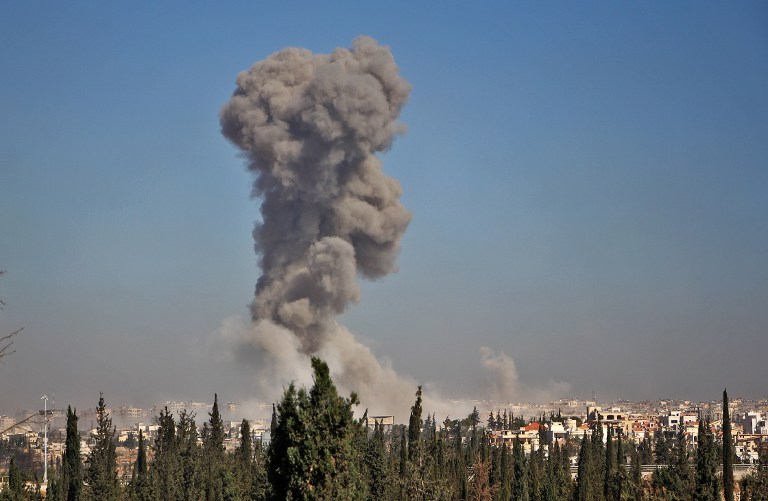
Activist Baraa al-Halaby, who is based in eastern Aleppo, said via text messages that warplanes were firing missiles and helicopters were dropping barrel bombs on the eastern part of Syria’s largest city.
“People are scared. The bombardment is intense,” al-Halaby wrote.
In mid-October, Russia said it would halt weeks of deadly airstrikes to allow rebels and supporters to leave eastern Aleppo. The rebels refused to take up the offer and the United Nations failed to negotiate the delivery of aid into the besieged area.
On Saturday, government troops repelled a rebel offensive on western parts of Aleppo that was designed to break the siege on the opposition-held east. Aleppo has been contested since 2012.
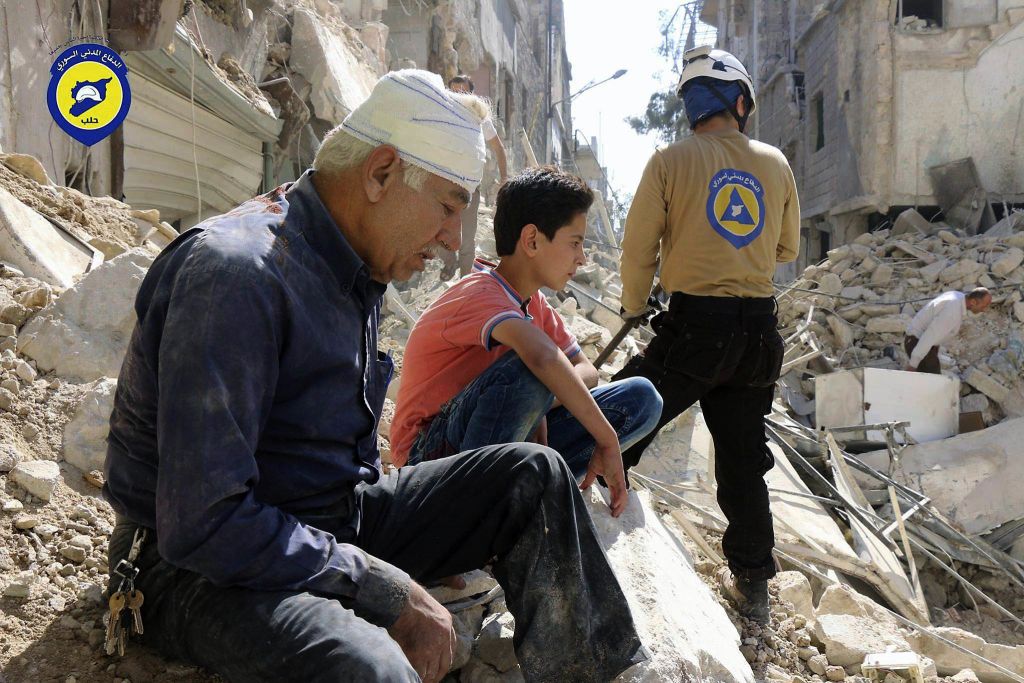
The government siege has left an estimated 275,000 people trapped, with no aid allowed in since July, amid a punishing bombing campaign.
In Geneva, meanwhile, two UN agencies said food production in Syria has shrunk to “an all-time low,” threatening to drive more people from their homes after five and a half years of war.
The World Food Program and the Food and Agricultural Organization say factors like rising prices, poor weather, general instability and the lack of fertilizer and seeds could force some farmers to stop producing.
A joint report released Tuesday says the planting area in the 2015-2016 season was the smallest ever in zones controlled by the government, ethnic Kurds and the armed opposition. WFP spokeswoman Bettina Luescher said information was lacking about areas controlled by IS.
FAO regional representative Abdessalam Ould Ahmed said 80 percent of households lack food or money to buy it.
Copyright 2016 The Associated Press.



The Times of Israel Community.