

Ex-hurricane Ophelia batters UK after pummeling Ireland, leaving 3 dead
Sky turns orange as Sahara sands and fire particles pour onto British Isles; Scotland to see heavy rain and strong winds
 Add ToI as a Preferred Source on Google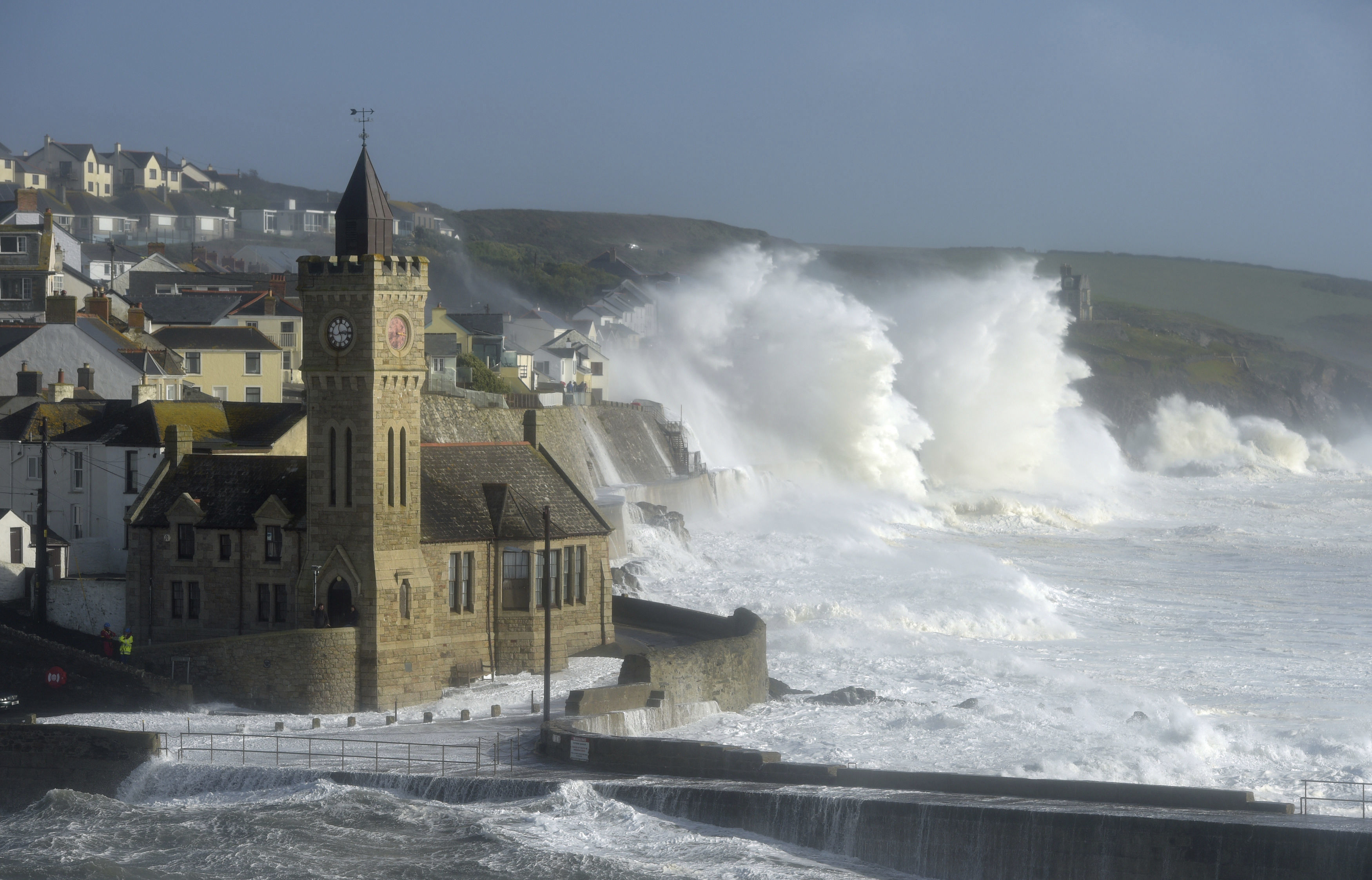
LONDON — Storm Ophelia is battering Scotland and Northern England after leaving three people dead and hundreds of thousands without power in Ireland.
The former Atlantic hurricane downed trees and power lines, sent waves surging over coastal defenses and disrupted flights again Tuesday, a day after making landfall on Ireland’s south coast with gusts of almost 160 kilometers an hour (100 miles an hour).
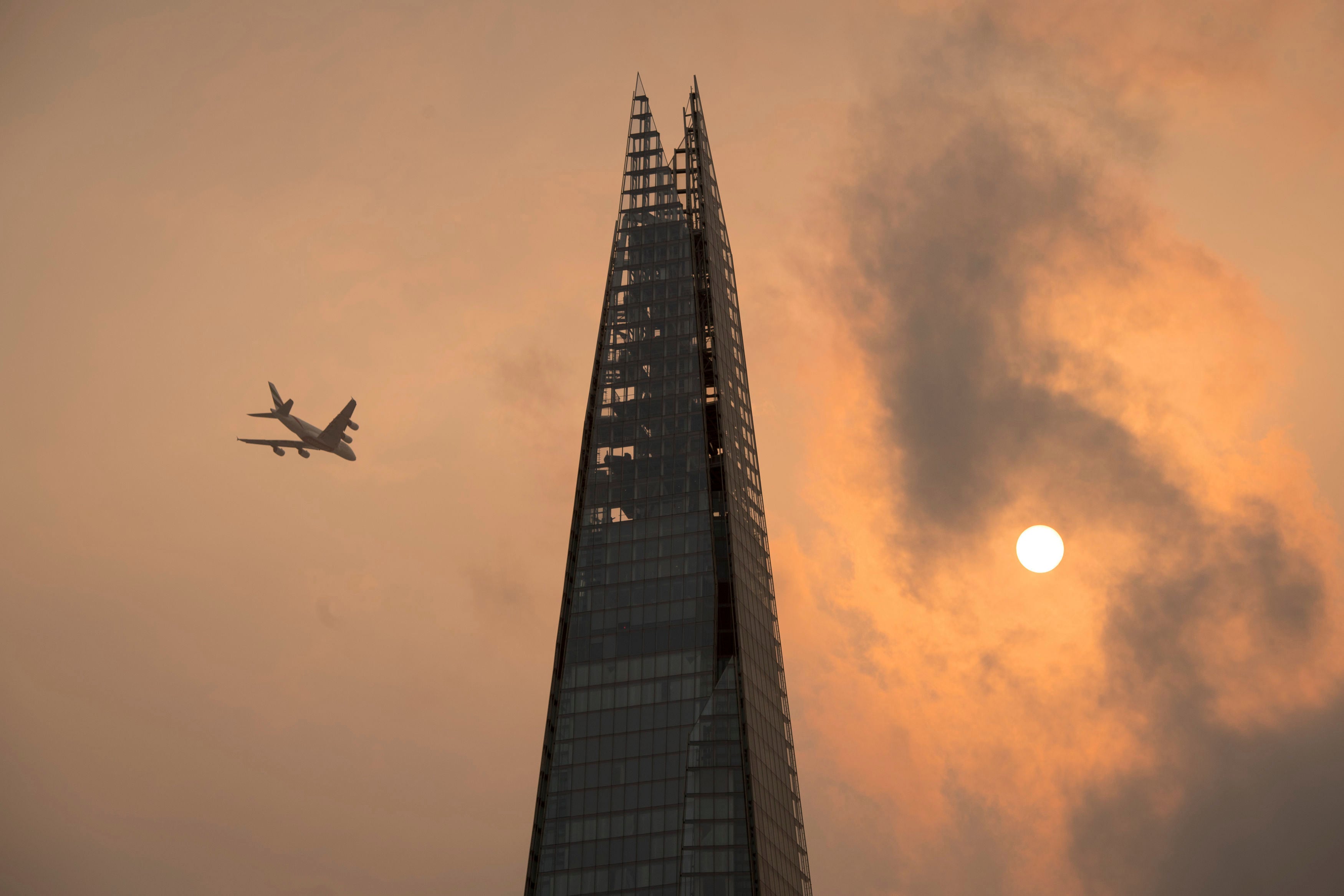
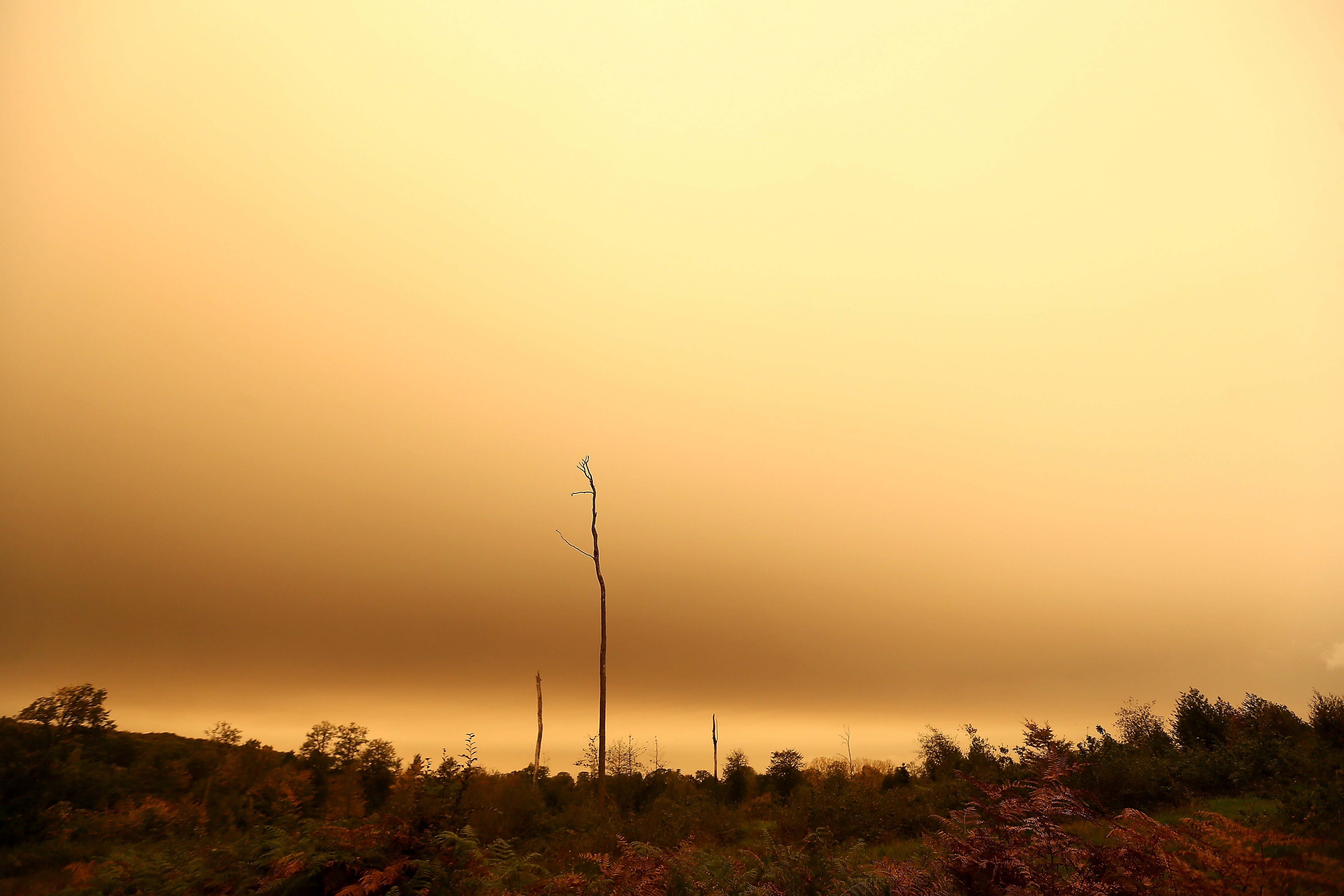
In parts of the United Kingdom and in France’s Brittany region, the sky turned an eerie color as Ophelia’s winds carried a mix of sand from the Sahara and particles from forest fires in Spain and Portugal. On social media, people posted pictures of London landmarks against yellow-orange skies.
Britain’s Met Office weather service said Scotland could see heavy rain and gusts of up to 70 mph (113 kph), with winds gradually diminishing through Tuesday.

Flights and ferries were canceled in parts of Scotland, and authorities warned of coastal flooding in the southwest. The government of Ireland said schools and colleges would remain closed, and Northern Ireland’s Education Authority said the same.
As the storm moved toward Northern Ireland, workers sealed off the Peace Bridge in Londonderry with tape and sandbags, closing it as a precautionary measure.
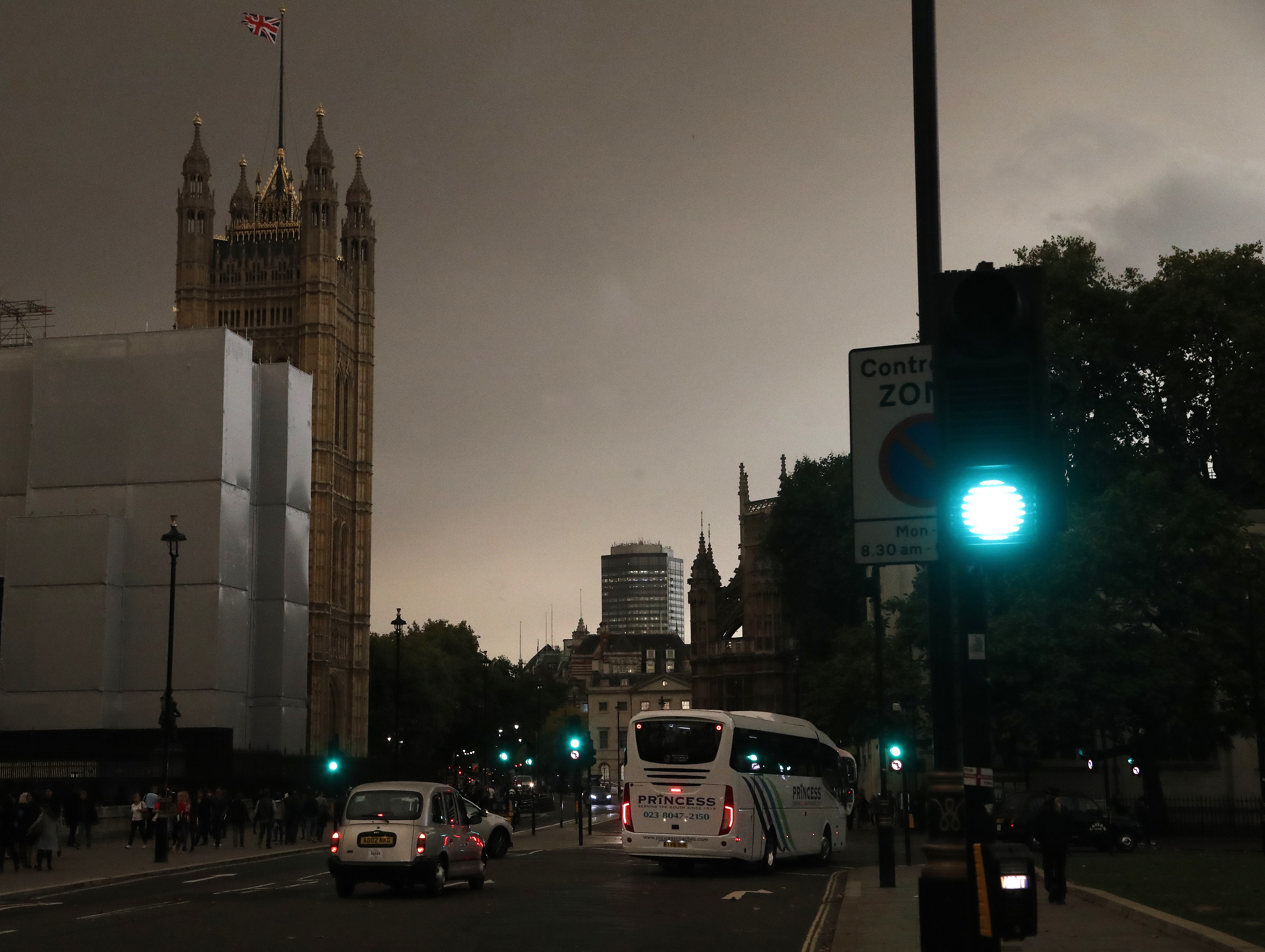
Schools in Northern Ireland and the Republic of Ireland were closed for a second day as authorities assessed the damage from the worst storm to hit Ireland in decades.
Irish authorities said it could take several days to restore power to 330,000 homes.
A non-profit group that provides lifesaving services around the British Isles warned people to stay away from seas and beaches.
Matt Crofts, lifesaving manager for the Royal National Lifeboat Institution, said coastal waters are “particularly dangerous and unpredictable, with large waves and swells being a major risk.”
As tempting as it is to watch crashing surf, it isn’t worth the risk of being struck by large waves that can easily knock weather watchers off their feet, Crofts said.
“The sea is far more powerful than you think and your chances of survival are slim if you are dragged into the swell,” he said.









The Times of Israel Community.