

 From
From AG says ministers’ threats to defy Supreme Court are ‘a call for the crushing of democracy’
 Add ToI as a Preferred Source on Google
Jeremy Sharon is The Times of Israel’s legal affairs and settlements reporter
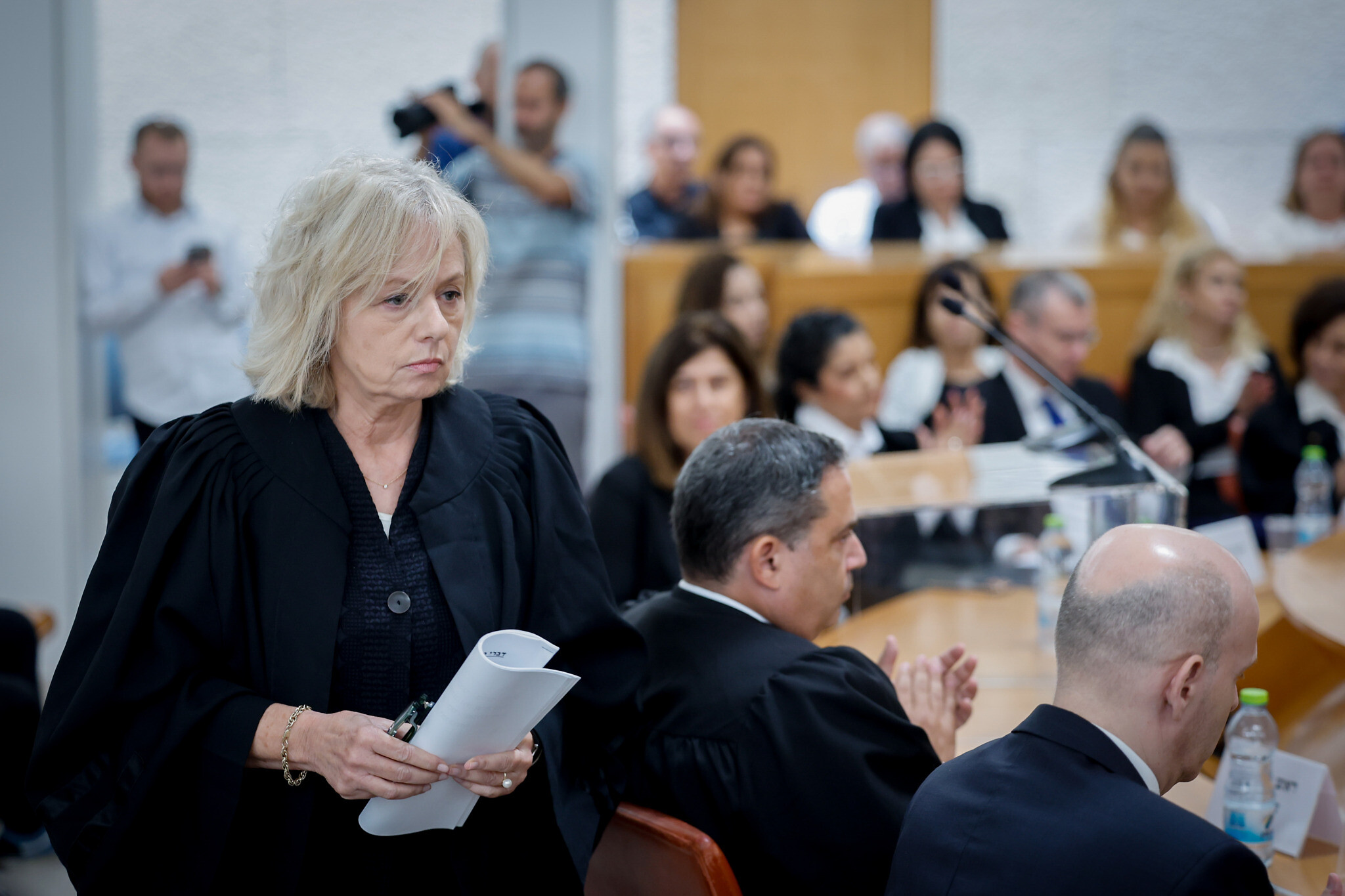
Attorney General Gali Baharav-Miara reprimands the government and senior cabinet ministers for threatening not to abide by court rulings, and even having refused to do so, at a retirement ceremony for Supreme Court Justice Yosef Elron.
Listing a series of what she says are efforts to undermine the independence of the judiciary, the embattled attorney general says that “worst of all are calls by senior officials in the executive branch that they do not intend to abide by judicial orders.”
Baharav-Miara adds: “A call not to honor judicial court orders is not a call for judicial reform, it is a call to crush democracy. A country without law.”
Justice Minister Yariv Levin has intimated on several occasions that he will not respect High Court rulings in certain cases, while Communications Minister Shlomo Karhi has openly defied the court’s ruling that the government continue to abide by Baharav-Miara’s instructions in the wake of her dismissal and the High Court’s decision to freeze that dismissal until a final ruling.
Elron himself also apparently references the issue of abiding by court rulings in his speech, saying that “unqualified obedience to the law must be a general norm that binds all citizens and institutions in the country.”
Supreme Court President Isaac Amit says in his speech that the judiciary is “not the property of any person,” in a none-too-subtle reference to Levin and his refusal to appoint new judges to the court.
Levin has refused to appoint new Supreme Court judges since former court president Esther Hayut retired in October 2023. With Elron’s retirement, there will be four empty seats on the court bench.
“Regrettably, the judges’ bench today is not full,” says Amit.
“This is in the spirit of an understanding that the judiciary is not the property of any person; it operates in the service of the public, and for it only,” says the court chief, whom Levin has refused to recognize as such after a hostile confirmation process earlier this year.
Levin spearheaded a far-reaching and controversial law passed in March, which changed the composition of the Judicial Selection Committee and the appointments process for judges, greatly politicizing the process and removing all power over Supreme Court appointments from representatives of the judiciary on the committee.
The law will not come into effect until after the next election, and Levin is refusing to convene the Judicial Selection Committee in its current format as a result.
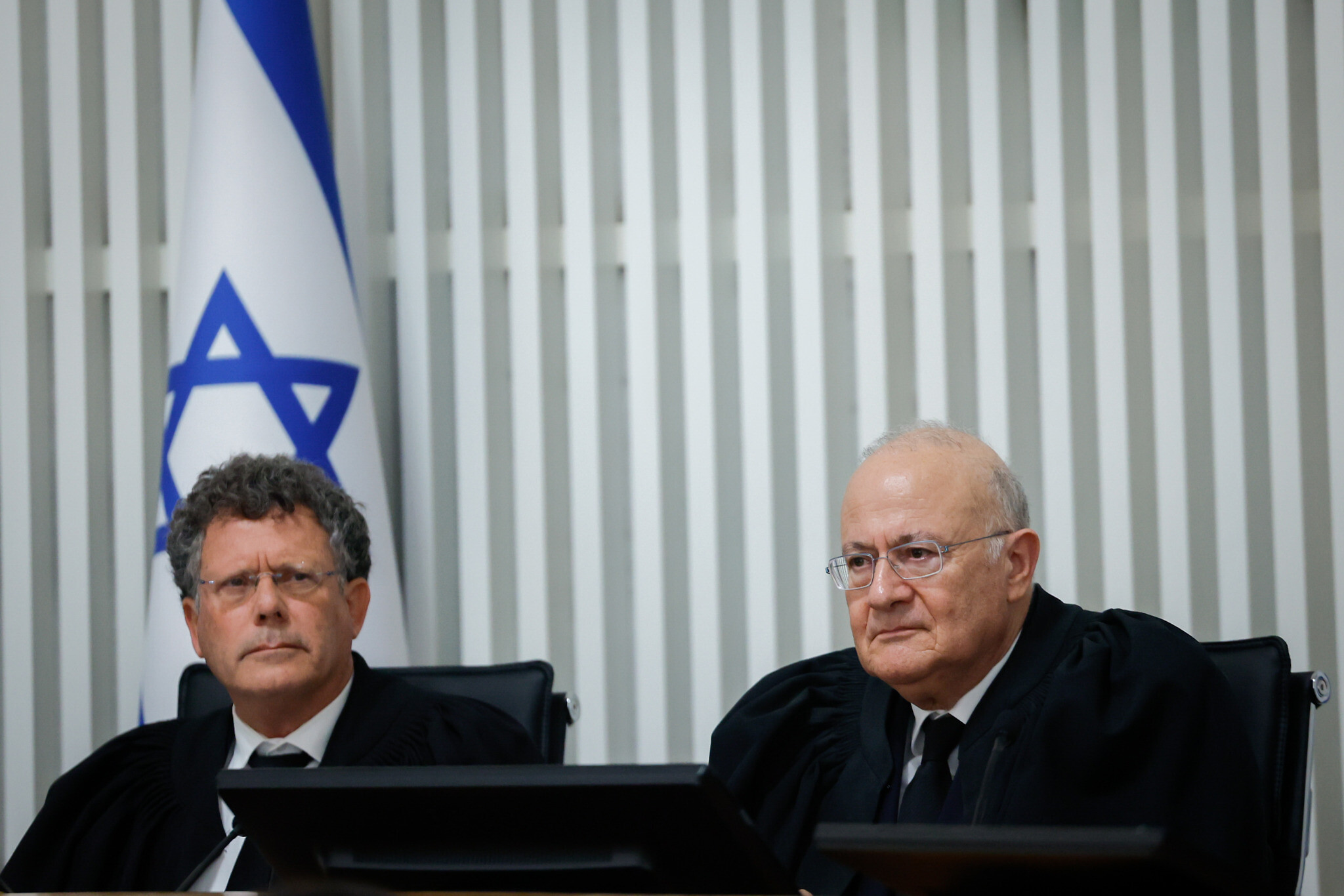
Speaking at the ceremony, Levin repeated what he says was one of his primary motivations in passing the law, the need to diversify the judiciary. Levin contends that the judiciary and the Supreme Court are dominated by liberal, activist judges who do not reflect the will of the general public, although many court observers believe the current bench is evenly balanced between liberals and conservatives.
“Diversifying the [judicial] system and appointing judges with different backgrounds and worldviews is the path to filling the Supreme Court bench, in a way that will increase its professional strength and restore the public’s trust in it,” says Levin.
At the end of his speech, Elron laments the divided state of Israeli society at present.
“Unfortunately, we live in a time of division and polarization in Israeli society. I hope that the Supreme Court will contribute to healing the rifts in society, with rulings that will bridge the gaps and disputes brought before it,” says the outgoing judge.










The Times of Israel Community.