

 From the Liveblog of
Thursday, August 14, 2025
From the Liveblog of
Thursday, August 14, 2025
Jerusalem Municipality: Greek Patriarchate’s bank accounts frozen due to tax debts on properties not used as houses of worship
 Add ToI as a Preferred Source on Google
Rossella Tercatin is The Times of Israel's archaeology and religions reporter.
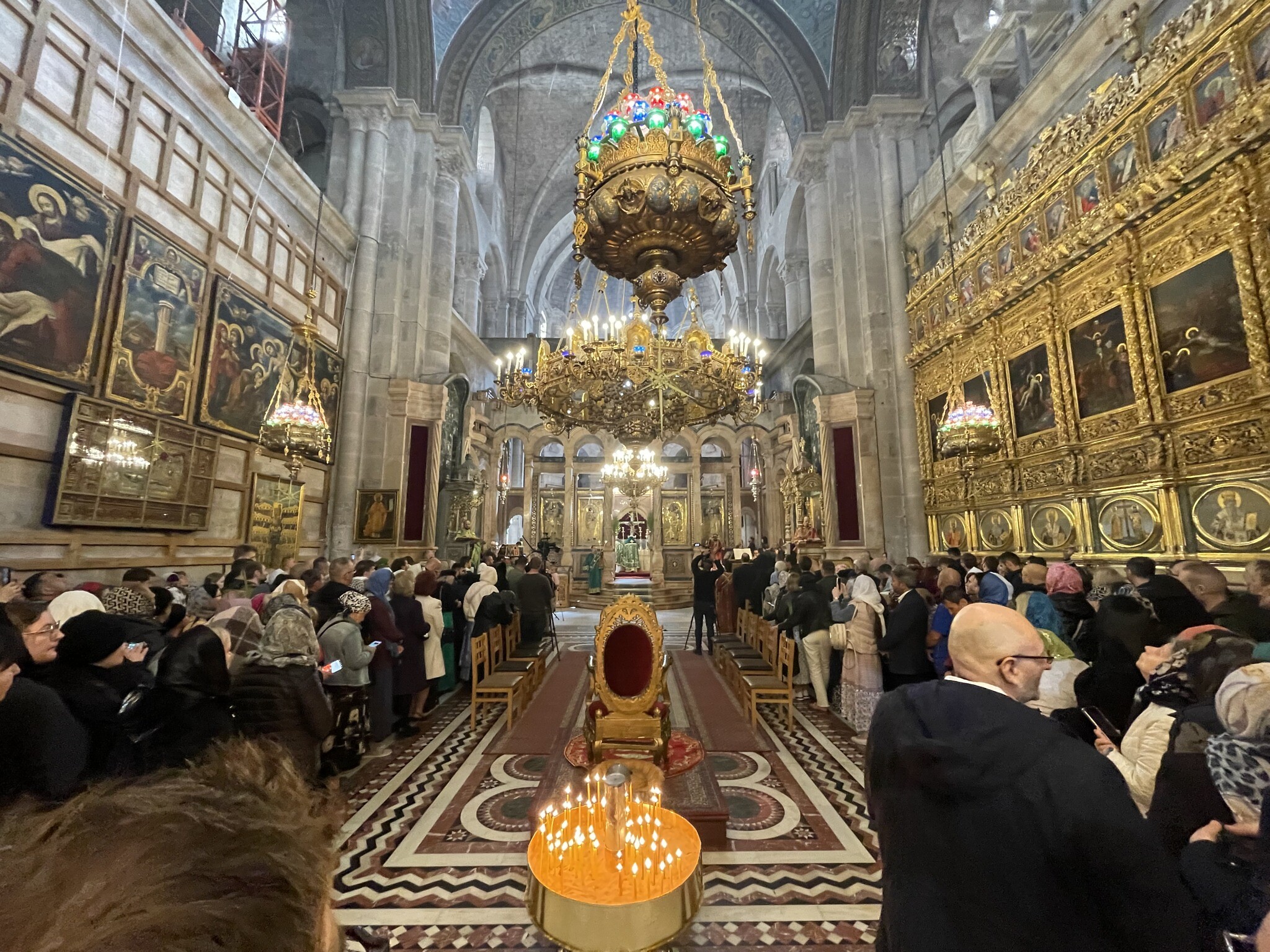
The Jerusalem Municipality’s reason for freezing all bank accounts belonging to the Greek Orthodox Patriarchate in Jerusalem is that the latter ignored letters from the city about its tax debts, the municipality says, responding to a query by The Times of Israel.
“Administrative enforcement measures were taken against the Greek Patriarchate because it failed to settle its property tax debts for assets not used as houses of worship,” a statement by the municipality’s spokesperson office says. “This was done despite efforts at dialogue and engagement with them, and in light of their ignoring letters from the municipality demanding payment.”
According to the spokesperson’s office, the city acted “in accordance with the law” and in light of its “responsibility to take such steps when debtors fail to settle their obligations.”
Earlier today, the Patriarchate suggested that the dialogue regarding the matter was ongoing and that the municipality acted despite reassurances that no such unilateral measures would be implemented.
The dispute between the municipality and several churches that hold property in Jerusalem has been going on for several years.
A decades-long agreement between the churches and the State of Israel had prevented the municipality from collecting property tax from Christian institutions.
However, in 2018, the city decided that the exemption for churches applies only to properties used “for prayer, for the teaching of religion or for needs arising from that” — excluding activities serving pilgrims such as guesthouses and coffee shops — and began to seek to collect bills for tens of millions of shekels.
At the time, then-mayor Nir Barkat froze the bank accounts of several churches in Jerusalem, which in response shut down the iconic Church of the Holy Sepulchre for three days in protest.
The municipality backed down only after intervention from Prime Minister Benjamin Netanyahu. Since then, tensions have resurfaced several times between the municipality and church authorities over specific properties or activities.
“As religious bodies, the churches fulfil vital roles by maintaining educational, welfare, and charitable institutions that serve the local population whether Christian or not,” reads the statement from a group initiated by Greek Orthodox Patriarch Theophilos, Protecting Holy Land Christians, which also works with the heads of other churches in the city.
“Because of this, historically, the churches have never paid municipal or governmental taxes for church properties whether during the periods of Ottoman, British, Jordanian, or Israeli rule.”





The Times of Israel Community.