

Court extends remand of two key suspects in submarine graft probe
Justices find there have been ‘significant developments’ in investigation of naval vessel purchases
 Add ToI as a Preferred Source on Google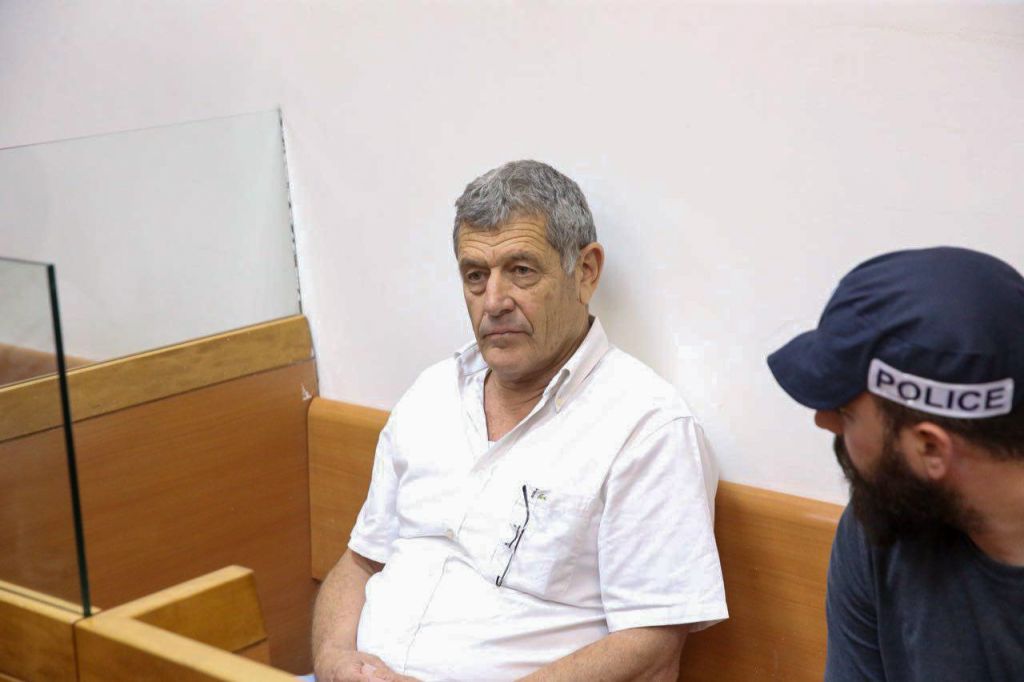
The Rishon Lezion Magistrate’s Court on Thursday extended the remand of two key suspects arrested in a corruption probe into multi-billion shekel deals to purchase naval vessels from Germany.
Miki Ganor, a former agent for the German submarine company ThyssenKryupp, and who is reportedly in negotiations to become a state witness in the case, will remain in police custody until Friday.
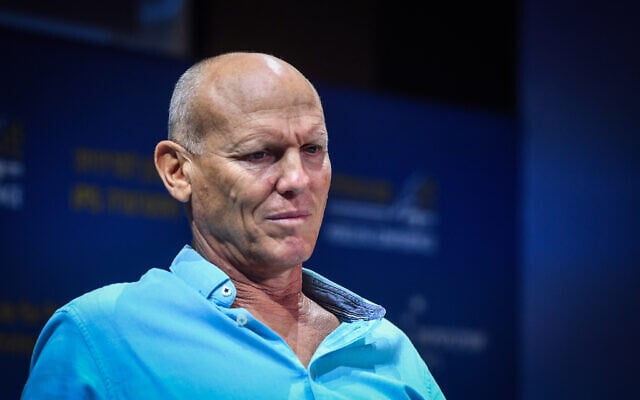
Regarding the other suspect, former National Security Council deputy head Avriel Bar-Yosef, the court found that there have been “significant developments” since the last extension of his remand and ruled he is to remain in custody until Monday over concerns that, if released, who could obstruct the investigation. Bar-Yosef has already been held for a week and a half.
Channel 2 television reported that talks to secure Ganor’s agreement to become a witness for the prosecution are progressing.
Investigators suspect that Ganor, along with Bar-Yosef, paid out bribes in connection with a decision by Prime Minister Benjamin Netanyahu to buy three submarines from the Germany company, despite opposition from the Israeli Defense Ministry. In a separate deal, ThyssenKryupp was also previously contracted to build four warships for Israel.
Netanyahu is not suspected in what has been dubbed Case 3000 but his personal lawyer, David Shimron, who was hired by Ganor to negotiate the ship and submarine purchases, has been questioned several times by the police investigation unit Lahav 433.
The prime minister has said he did not know his lawyer was also representing the Israeli agent of the German defense firm selling the submarines.
Netanyahu’s own role in the purchase decision, including his insistence that Thyssenkrupp be exempted from the usual Defense Ministry tender process, raised concerns of a conflict of interest for Shimron. Part of the agreement being pushed by Shimron would also have seen ThyssenKrupp construct a lucrative shipyard in Israel, where the company would maintain the new vessels.
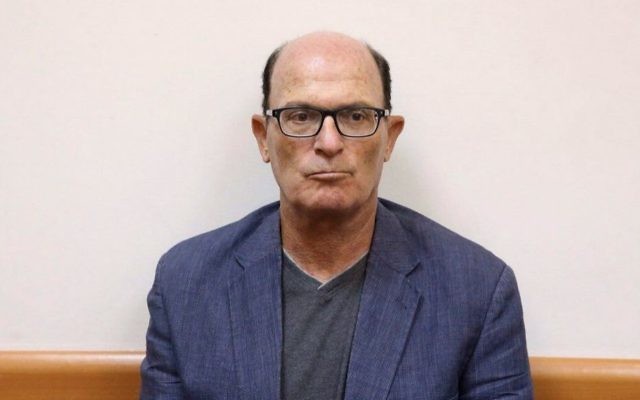
Bar-Yosef, who played a central role in recommending that Israel buy the submarines, is suspected of bribery, conspiracy to commit a crime, fraud, breach of trust and money laundering.
Another suspect in the case, the former commander of the Israeli Navy Maj. Gen. (res) Eliezer Marom, was also released from house arrest on Saturday evening.
Germany has reportedly told Israel that it is delaying inking the submarine deal amid the rapidly expanding corruption scandal
Berlin and Jerusalem were said to sign a memorandum of understanding next week, but this has been postponed indefinitely.
In 2015 Israel also agreed to buy four warships from Germany to protect its offshore natural-gas drilling platforms, in a €430 million ($480 million) deal.
Under the contract, Germany will provide four advanced Sa’ar-class corvettes to the Israeli navy, to be delivered over the next five years, and will finance approximately one-third of the cost of the deal with a special grant of €115 million.
The three new submarines are intended as replacements for older models which will be retired in around 10 years.




The Times of Israel Community.