

Report: Iran ‘would have harmed’ IAEA chief for revealing nuke activity
Iran’s atomic agency spokesman quoted saying that Yukiya Amano was warned not to leak documents to US
 Add ToI as a Preferred Source on Google
Tamar Pileggi is a breaking news editor at The Times of Israel.
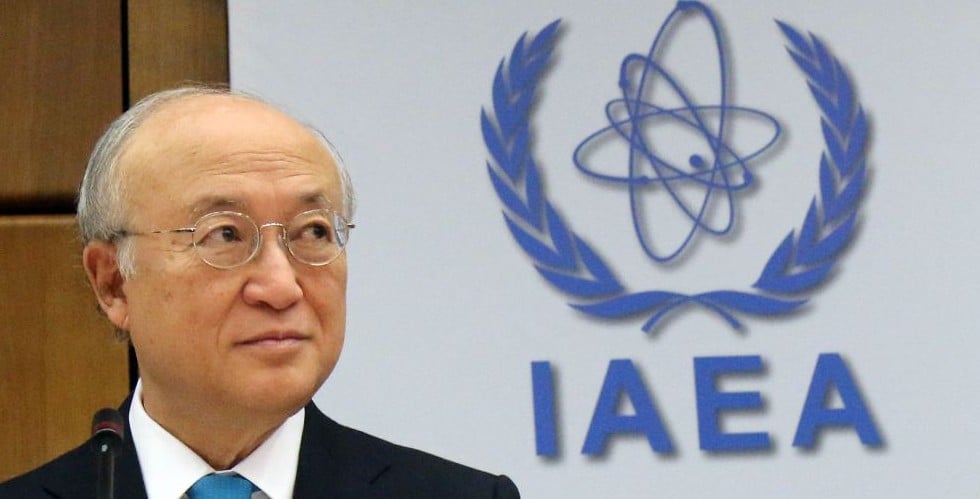
Iran “would have harmed” the head of the United Nations’ International Atomic Energy Agency if he had disclosed details of Tehran’s alleged nuclear weapons activity to US officials, Iran’s semi-official Fars news agency reported Tuesday.
According to the report, Tehran officials warned IAEA Director-General Yukiya Amano of retaliation if he revealed specific information outlined in confidential documents handed over by Tehran for the IAEA probe of its nuclear weapons development.
“In a letter to Yukiya Amano, we underlined that if the secrets of the agreement [roadmap between Iran and the IAEA] are revealed, we will lose our trust in the Agency; and despite the US Congress’s pressures, he didn’t give any information to them,” Atomic Energy Organization of Iran spokesman Behrouz Kamalvandi told Iranian lawmakers Monday, Fars said.
“Had he done so, he himself would have been harmed,” he added.
Under the terms of an agreement reached last month between Iran and the IAEA, Iran was required to provide explanations of its past nuclear work by last week, and the UN agency would then have a month to analyze the information.
Iran and IAEA officials are to hold discussions in Tehran in the coming weeks to follow up on remaining questions or concerns.
During Amano’s recent official US visit to brief lawmakers on the accord, the IAEA chief declined to give Congress a copy of the confidential inspection documents handed over by Tehran.
Republican lawmakers criticized Amano for withholding the information, claiming they needed access to the confidential documents to decide whether to vote to approve or disapprove the deal in September.
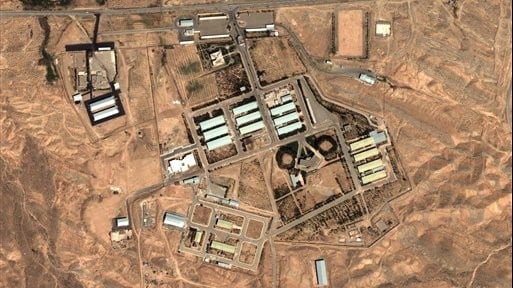
Iran has insisted that IAEA inspectors would not be given access to military sites, including Parchin, a complex believed by some experts to have been used to test nuclear bomb detonators.
IAEA officials and other experts have charged that Iran has attempted to sanitize the military complex, an allegation that if proven true, could complicate inspections by the UN nuclear watchdog IAEA that are a key provision of the deal.
The handover of documents was said to contain a confidential explanation that is unlikely to veer from previous Iranian denials of work on such weapons.
Amano, who met with members of the Senate Foreign Relations Committee, said he had a legal obligation to keep the documents confidential.
“Imagine if a country provides me with confidential information … and I do not honor the commitment, no country will share information with us,” he told reporters after the meeting.
Iran has committed to transparency as part of its overarching deal with six world powers promising Tehran sanctions relief in exchange for nuclear concessions.
AP contributed to this report.





The Times of Israel Community.