

 From the Liveblog of
Tuesday, November 17, 2026
Eisenkot defends Kahana’s bid for speaker, says Knesset must represent all Israelis
 Add ToI as a Preferred Source on Google
Stav Levaton is a military reporter for The Times of Israel
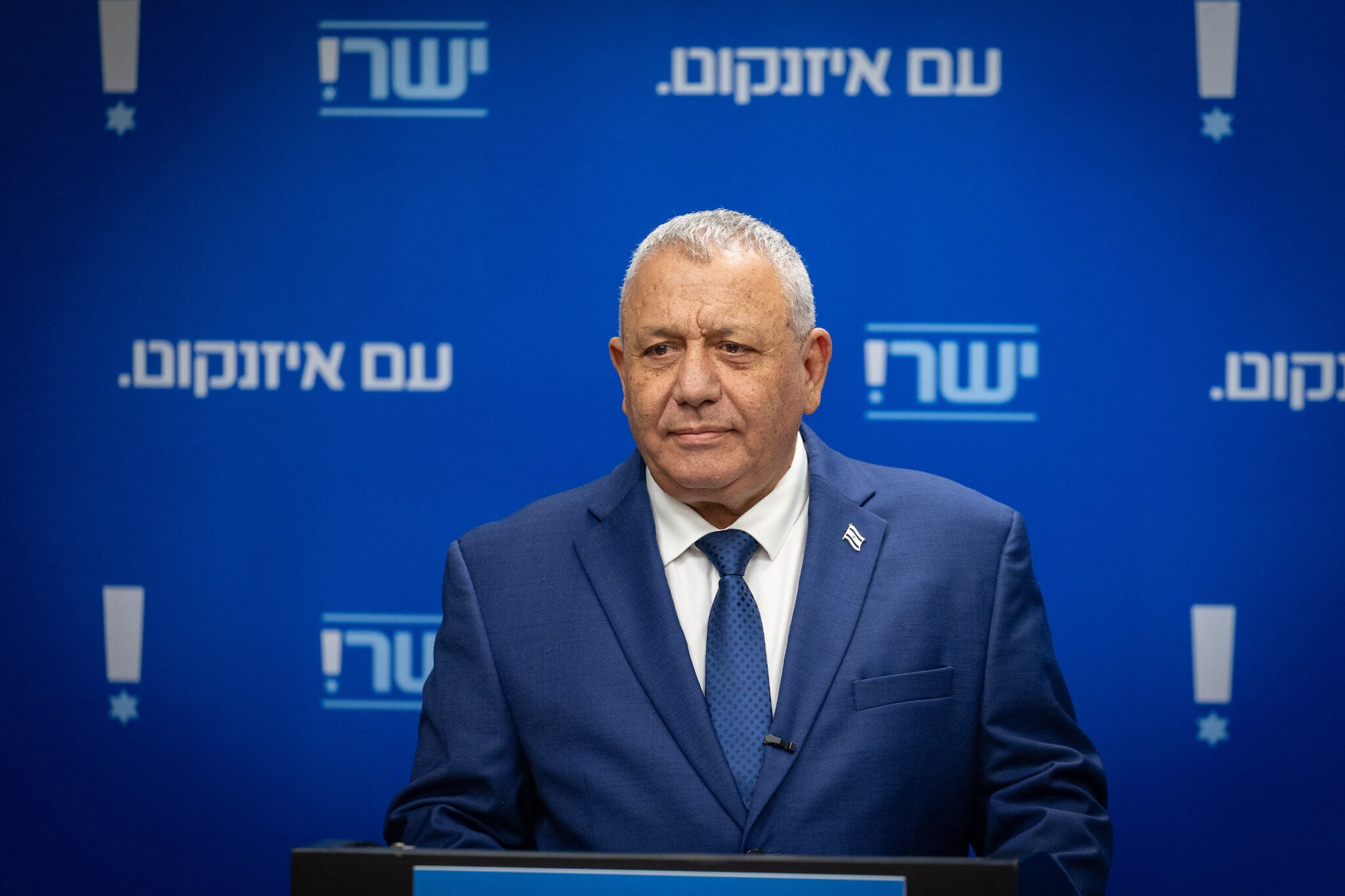
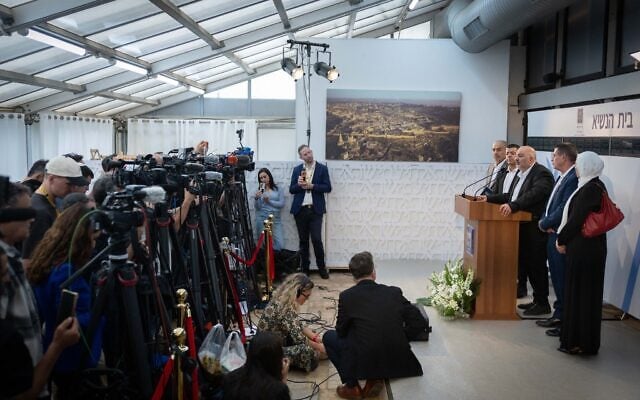
Yashar chairman Gadi Eisenkot defends his bloc’s bid to elect MK Matan Kahana as Knesset speaker, saying the appointment reflects the election’s “overwhelming majority” for change and rejecting rhetoric he says divides Israelis into first- and second-class citizens.
Lawmakers are set to vote this evening on replacing speaker Amir Ohana, of Likud. The four parties in the anti-Netanyahu bloc, along with the Arab-led Ra’am and Joint List, support Kahana. Together they hold 67 of the Knesset’s 120 seats; only a simple majority is needed to elect a speaker.
Likud nominated MK Ofir Katz and accused Eisenkot and “the left-wing bloc” of unilaterally selecting a speaker. The party also said Kahana rejected its offer of support in exchange for not appointing Arab lawmakers as deputy speakers.
“There are no first-class and second-class citizens in the State of Israel, and there are no first-class and second-class voters in the Knesset,” Eisenkot says, speaking at a faction meeting at the Knesset. “The people’s house is supposed to represent all the country’s citizens.”
Eisenkot says politicians should distinguish between cooperation with Arab parties in parliament and the formation of a government with their participation.
“On the one hand, [we will] cooperate in the Knesset for the benefit of all citizens; on the other, [we will] form a government based on the principles I have presented. I will not deviate from them by a millimeter,” he says.
He says that he has “no doubt” that even Likud and Religious Zionism voters will be “proud of the appointment of someone like Matan Kahana.”
Eisenkot also notes that the IDF is short 12,000 combat soldiers and needs to be strengthened to meet its missions and challenges. “We will seek compromises and understandings, but we will not give up on that,” he says, apparently in reference to his bloc’s recent coalition talks with the ultra-Orthodox party United Torah Judaism.






The Times of Israel Community.