

 From the Liveblog of
Wednesday, August 5, 2026
From the Liveblog of
Wednesday, August 5, 2026
New school for illegal farming outpost youth inaugurated in Beit El
 Add ToI as a Preferred Source on Google
Jeremy Sharon is The Times of Israel’s legal affairs and settlements reporter
A new school for youth living in illegal farming outposts in the West Bank is inaugurated in the settlement of Beit El, in the presence of Education Minister Yoav Kisch and other dignitaries.
Kisch says that the school, one of four such schools established by the government, will provide an “educational solution” for youths living in the illegal farming outposts and put them on the path of “action and contribution to the State of Israel.”
The schools have been established under the framework of a cabinet resolution designed to support minors living in the outposts, many of whom are school dropouts and at-risk youth.
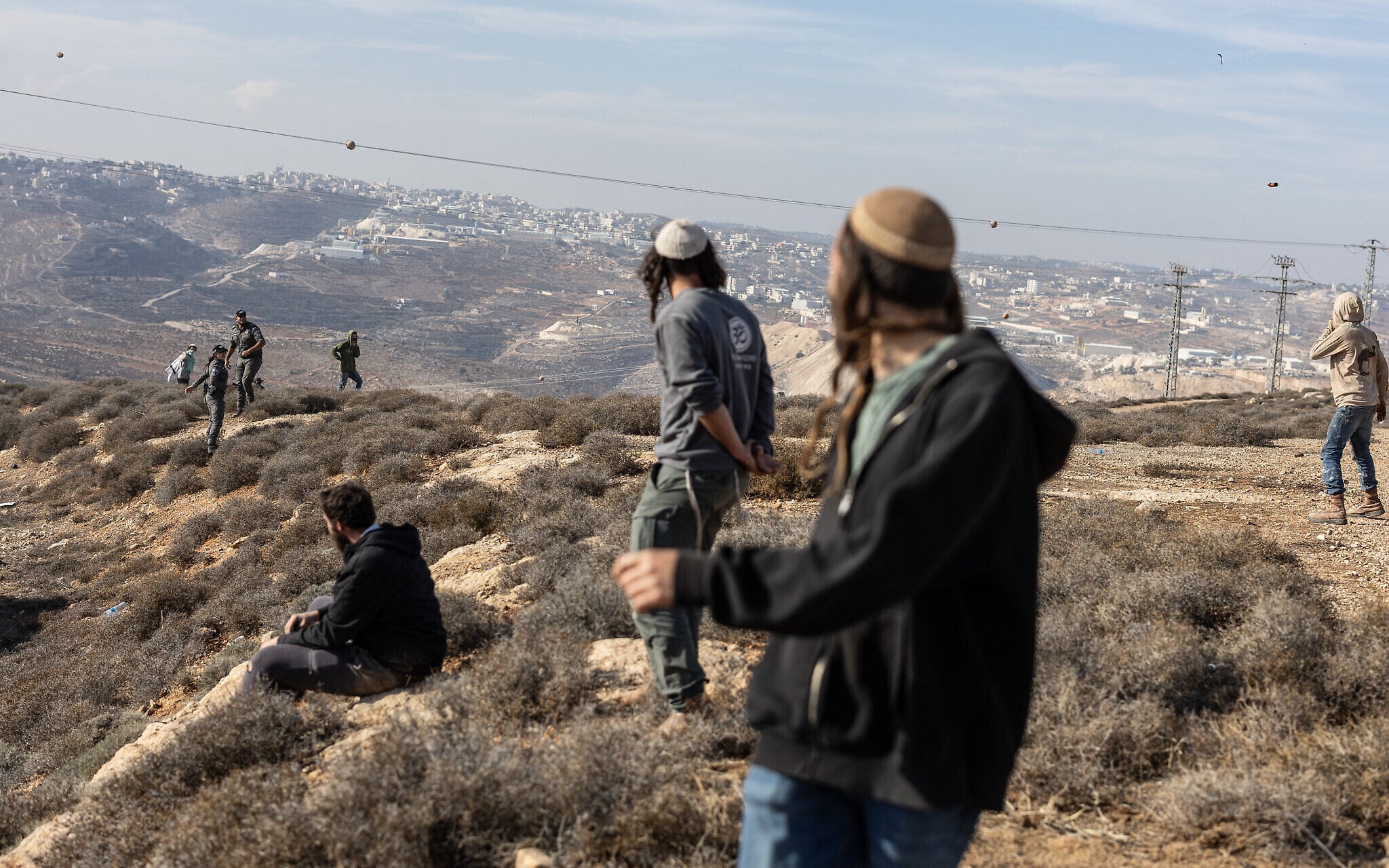
Although the programs and funding for such youth under the cabinet resolution are supposed to help integrate them back into educational frameworks, provide them with social welfare, reduce their involvement in violence, and prepare them for military service, the support has been strongly criticized since the youths remain at the illegal farming outposts, which are frequently the sources of violence against local Palestinians.
It is unclear who, if anyone, will guarantee that such youths, who live in the outposts without their parents, will actually go to school, and how they will travel there given that they cannot drive.
“For years, it was mostly the problems [with hilltop youth] that were discussed, today we are presenting the solution,” said Beit El Mayor Shai Alon, who was also in attendance at the inauguration yesterday. “The establishment of the school is great news for the youths and their families, so instead of just making do with enforcement the state is investing in education, direction, and building a future for them.”
Illegal farming outposts are established by hardline settler activists, very often with the cooperation of local municipal councils and the IDF, and are designed to assert control over large tracts of land in the West Bank. They are not approved by the cabinet, however, meaning they are technically illegal.








The Times of Israel Community.