

 From the Liveblog of
Sunday, January 4, 2026
From the Liveblog of
Sunday, January 4, 2026
Porush: Nixing draft dodgers’ daycare subsidies causes ‘starvation,’ may violate human rights
 Add ToI as a Preferred Source on Google
Sam Sokol is a former political correspondent at The Times of Israel. He was previously a reporter for the Jerusalem Post, Jewish Telegraphic Agency and Haaretz. He is the author of "Putin’s Hybrid War and the Jews"
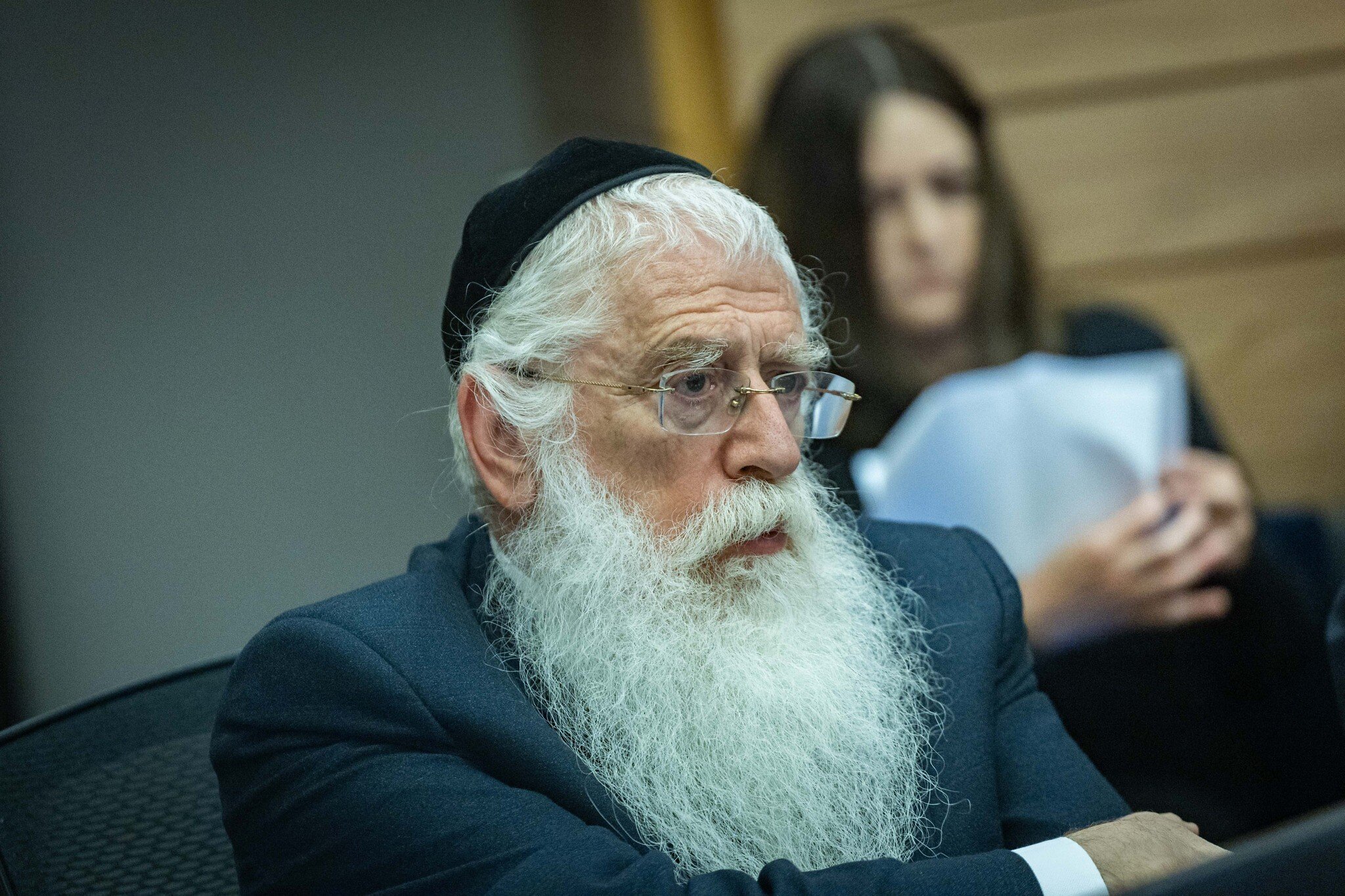
United Torah Judaism MK Meir Porush claims that withholding daycare subsidies from the families of draft evaders will cause “starvation” among Haredim and suggests that it may violate a United Nations human rights treaty.
In June 2024, the High Court issued a ruling ordering the government to start conscripting Haredi men. Since then, draft refusers have lost access to daycare subsidies for their children and other benefits. Yeshivas harboring draft dodgers have also seen their budgets slashed and the IDF has begun arresting small numbers of evaders, including some attempting to leave the country.
Porush, addressing a debate in the Knesset Foreign Affairs and Defense Committee on the coalition’s law regulating Haredi conscription and exemptions, demands to know if the daycare sanctions violate Israel’s obligations under the UN Convention on the Rights of the Child, whose signatories — including Israel — are required to take measures to ensure that children have access to “adequate nutritious foods and clean drinking-water.”
Porush argues that this question must be investigated by the panel’s legal adviser, asserting that it is clear that this sanction “causes hunger” and “must be examined to see whether it complies with the UN Convention.”
If passed into law, the coalition’s bill would effectively reset the status of yeshiva students who ignored call-up orders over the past year, including reinstating the subsidies, while yeshivas would immediately receive half of their pre-ruling funding, easing economic and legal pressure on the community.
According to the bill, those who study in yeshiva full-time will receive deferments, though they’ll still be punished by being banned from getting a driver’s license or traveling abroad until age 23. They will also be ineligible for academic scholarships or tax credits until age 26.
Sanctions will ramp up if enlistment targets are not met, in a bid to encourage more yeshiva students to put down their books and pick up guns.
These sanctions include the daycare subsidies in addition to ineligibility for housing assistance, national insurance discounts and transit discounts, also imposed until age 26.






The Times of Israel Community.