

 From the Liveblog of
Tuesday, April 1, 2025
From the Liveblog of
Tuesday, April 1, 2025
Qatargate actors suspected of portraying Egypt’s role in hostage talks negatively, boosting Qatar’s image, in exchange for money — judge
 Add ToI as a Preferred Source on Google
Jeremy Sharon is The Times of Israel’s legal affairs and settlements reporter
Judge Menahem Mizrahi of the Rishon Lezion Magistrate’s Court issues a brief summary of investigators’ suspicions in the so-called Qatargate scandal, saying there is a “reasonable suspicion” that the factual situation he describes is well-founded.
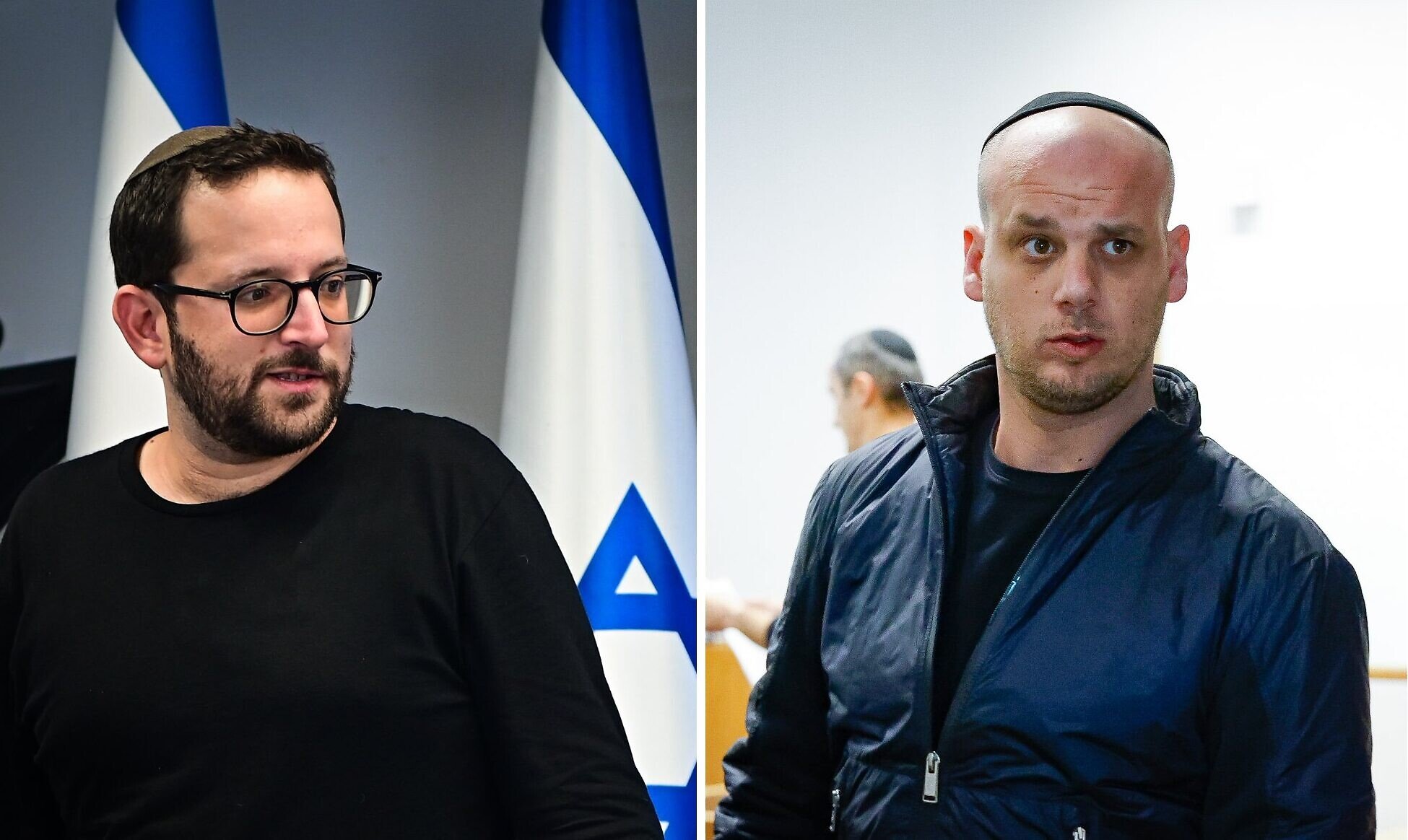
The judge details the suspicions against Jonatan Urich, a close aide to Prime Minister Benjamin Netanyahu, and Eli Feldstein, who served as a spokesman for the premier, whom the police and Shin Bet are investigating.
The suspicions deal with the allegedly unlawful ties between those aides and Qatar, as well as suspicions of financial crimes, including money laundering.
Mizrahi writes that in the period under investigation, an American lobbying company called The Third Circle, owned by lobbyist Jay Footlik, formed a direct connection with Jonatan Urich in order to put a positive spin on Doha’s role as a facilitator in the hostage deal negotiations between Israel and Hamas.
The judge adds that Qatar also wanted Urich to spread negative messaging about Egypt’s role in the negotiations as part of efforts to improve Qatar’s image on the issue.
“For this purpose, a business,[and] economic connection was created between this company through the mediation of suspect number one [Urich] in return for monetary payments which were passed to suspect two [Feldstein], through [Gulf-based Israeli businessman] Gil Birger,” Mizrahi writes.
The judge says that the suspicion is that these three actors worked to disseminate messaging to journalists to file stories sympathetic to Qatar while minimizing Egypt’s role as a fair broker in the negotiating process and while “dictating the media agenda.”
Mizrahi writes that he issued the summary because the gag order on the case, which he has now lifted, was repeatedly violated and thus was harming the “proper conduct of the investigation.”





The Times of Israel Community.