

 From the Liveblog of
Sunday, August 10, 2025
From the Liveblog of
Sunday, August 10, 2025
Senior Israeli rabbi complains to pope over his comparison of Gaza and Ukraine wars
 Add ToI as a Preferred Source on Google
Rossella Tercatin is The Times of Israel's archaeology and religions reporter.
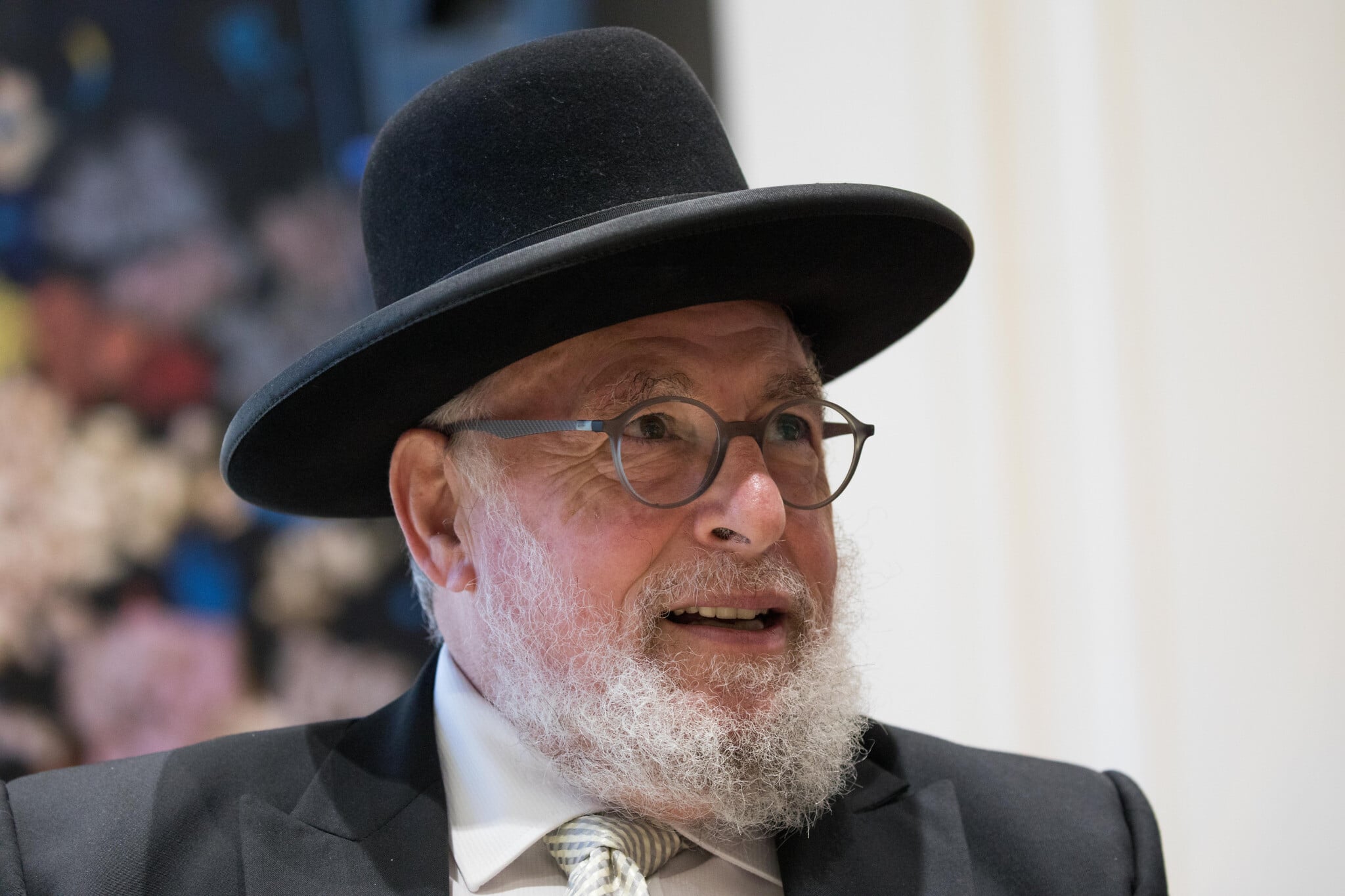
Rabbi Eliezer Simcha Weisz, a member of the Inter-Religious Council of the Chief Rabbinate of Israel, has sent a letter to Pope Leo XIV, sharing his concern over the pontiff’s recent remarks comparing the situation in Gaza and in Ukraine.
“The instinct to show compassion for those in pain is admirable and deeply human. However, by naming Gaza and Ukraine in the same breath —without drawing a moral distinction, and without any reference to the Israeli hostages still being held by Hamas — many in the Jewish world heard a painful equivalence that deeply wounded us,” Weisz wrote on Wednesday, according to the letter shared with The Times of Israel by a rabbinate spokesperson.
Addressing a crowd of about one million young people who flocked to the outskirts of Rome for the “Jubilee of Youth” last Sunday, Leo said, “We are with the young people of Gaza, we are with the young people of Ukraine.”
Since his election in May, Leo has regularly spoken about peace and expressed his concern for the situation in Gaza, only at times also mentioning the Israeli hostages held there. There are still 50 hostages held by terror groups in Gaza — 49 who were taken during the Hamas massacres on October 7, 2023, and the body of an Israeli soldier killed and captured in 2014. Twenty of the hostages are believed by Israeli authorities to still be alive.
“We must never allow compassion for one people to come at the cost of justice for another,” Weisz wrote. “All suffering is worthy of prayer, but not all suffering is caused by the same hands, nor should all conflicts be spoken of in the same terms.”
The rabbi also cautioned Leo that, on the 60th anniversary of Nostra Aetate — the landmark declaration rejecting the notion of collective Jewish guilt for Jesus’s death and calling for dialogue with non-Christian faiths — the hard-won reconciliation now faces the risk of being eroded.
“It is in the spirit of that covenant that I raise this concern,” Weisz wrote. “At a time when antisemitism is spreading once more — on the streets of Western capitals, in universities, and tragically even within some churches — moral clarity is more essential than ever. The absence of empathy for Israeli victims, particularly those still in captivity, sends a painful message and risks undermining the extraordinary reconciliation achieved since Nostra Aetate.”
Weisz is also a member of the powerful Chief Rabbinate Council, a governing body of 10 rabbis headed by Israel’s two chief rabbis. The organization serves as the main authority on Jewish law for the government and provider of religious services in the country.






The Times of Israel Community.