

 From the Liveblog of
Friday, July 11, 2025
From the Liveblog of
Friday, July 11, 2025
Struck down by malnutrition, pregnant Gazan woman can only pray for a healthy baby
 Add ToI as a Preferred Source on Google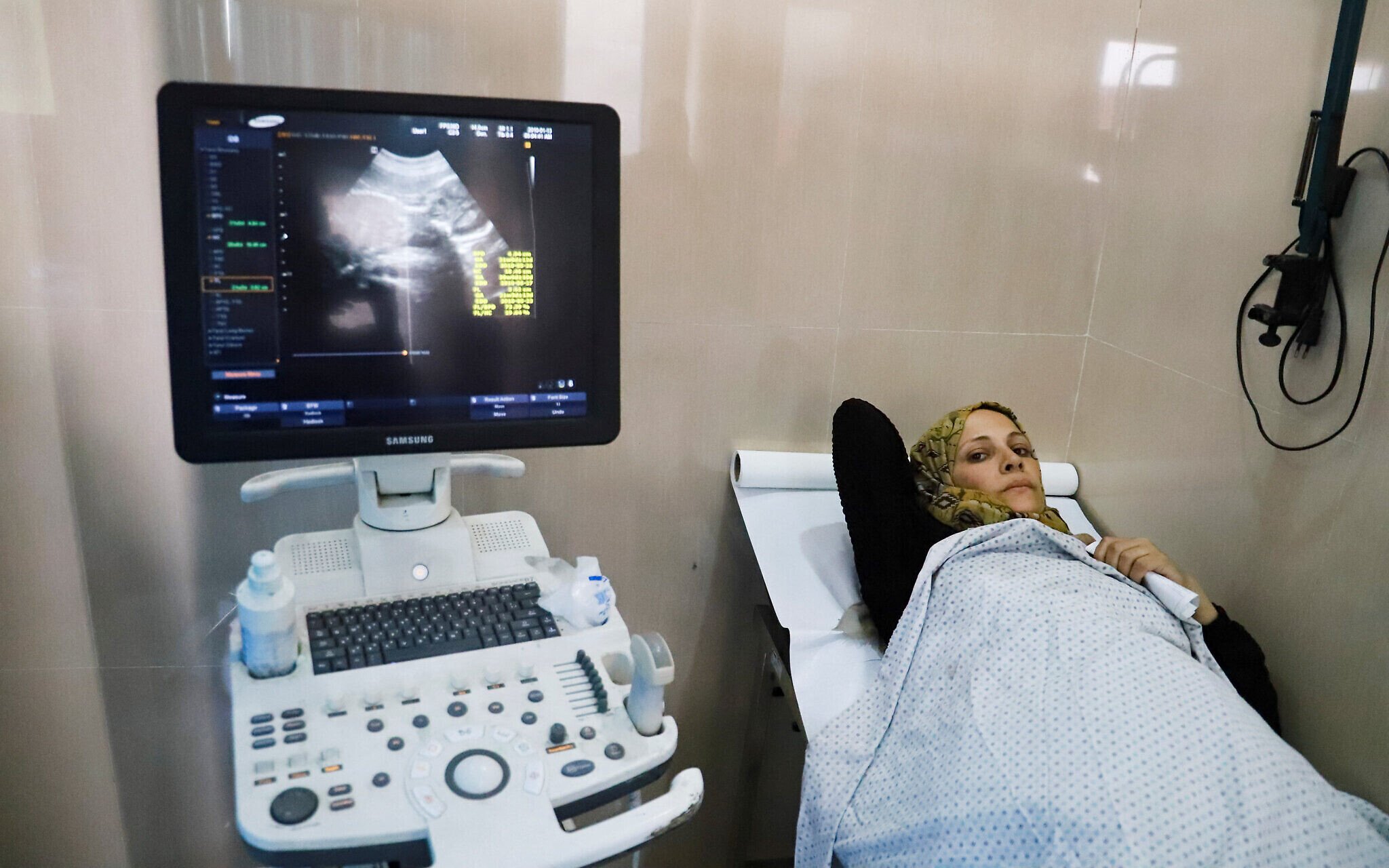
At six months pregnant, displaced Palestinian woman Fatima Arfa wishes she could be buying cute clothes and toys for the special day when she delivers a healthy, safe child.
Instead she spends much of her time seeking medical help in war-ravaged Gaza, weak and fearful that malnutrition will sabotage her pregnancy as Israel presses on with a military campaign that has led to widespread hunger among children and adults and reduced the enclave to rubble.
She longs for simple foods like milk, eggs and red meat that could improve her health and increase the chances of delivering a healthy baby. But just trying to deal with deficiencies is exhausting and highly risky under steady bombardment.
“I’m coming from a faraway place, and on foot too, because I need to have a blood transfusion because of a very big deficiency, malnutrition,” says Arfa, 34, staring at medical imaging of her unborn baby.
In June, the United Nations Office for the Coordination of Humanitarian Affairs (OCHA) warned an estimated 55,000 pregnant women in Gaza face growing health risks such as miscarriage, stillbirth and undernourished newborns.
Tackling those grim realities is challenging for doctors who face severe shortages of medicine and fuel to keep overwhelmed hospitals running as the nearly two-year war between Israel and Hamas rages.
Arfa is getting weaker by the day and generating enough energy on a meagre diet is a huge challenge.
“It is very difficult, and in the middle of the heat. I leave small children at my house, and until now they may not have had breakfast, and neither have I,” she said, sitting in a makeshift tent near her children, wondering how she will be able to support them, and husband Zahi.
Zahi, 40, laments that much of Gaza’s population relies on mostly lentils.
Sometimes he wanders around flattened neighborhoods desperate for flour, anything that could give his wife the strength to produce life in a strip where Israeli strikes have killed tens of thousands.
“More than once, I was exposed to death. I failed every time I tried to even get a can of tuna or a can of peas for the children. I couldn’t,” said Zahi.








The Times of Israel Community.