

Report: PM aims to sustain coalition till Dec. to approve new police, IDF chiefs
Associate says immediate Knesset dissolution would negate Netanyahu’s ability to confirm nominees; Meretz says it will bring bill to disband parliament next week
 Add ToI as a Preferred Source on Google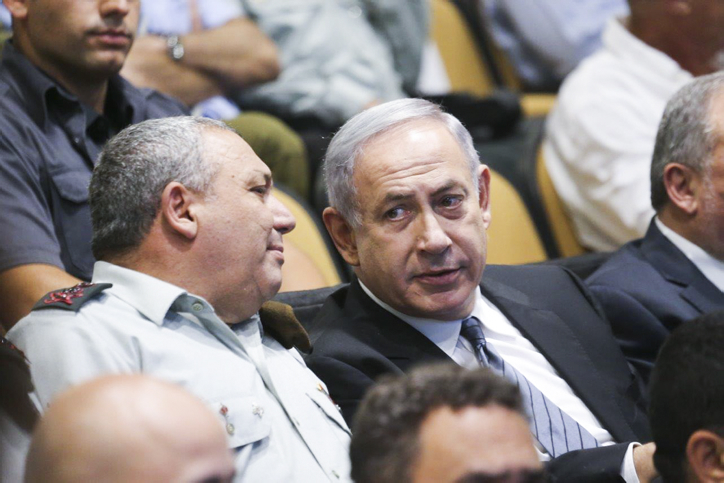
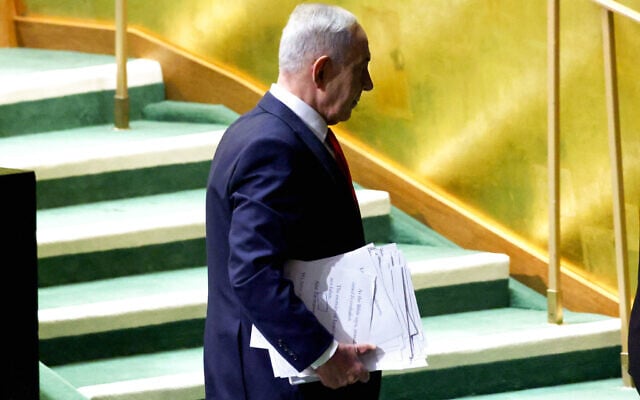
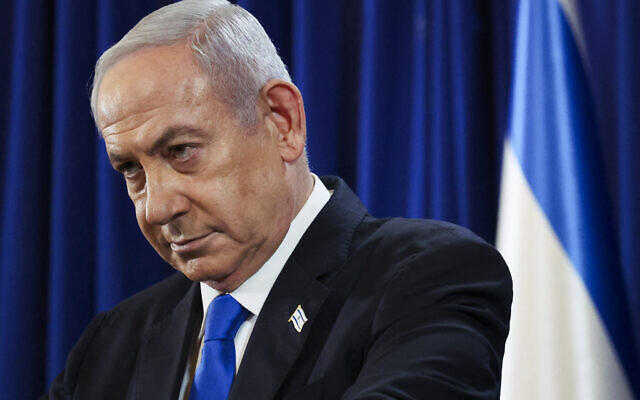
Prime Minister Benjamin Netanyahu is hoping to delay the dissolution of the current government by a few more weeks, in order to allow him to confirm the appointment of the next IDF chief of staff and Israel police chief, an associate of the premier told the Haaretz newspaper on Friday evening.
As Netanyahu’s coalition teetered on the brink following the resignation of Defense Minister Avigdor Liberman and Jewish Home’s threat to quit as well if it was not given the defense portfolio, the unnamed confidant explained that should the Knesset be dissolved before the appointments are confirmed in December, the cabinet would lose the authority to approve the critical positions.
IDF chief Gadi Eisenkot is to end his tenure on December 31. His designated successor has been named as Maj. Gen. Aviv Kochavi. Police chief Roni Alsheich leaves December 3, with Public Security Ministry director general Moshe Edri tapped to replace him.
Coalition sources also told Haaretz they believed the prime minister still hoped to make changes to election laws in order to lower the electoral threshold, though he made no mention of the matter during his conversations Friday with party leaders.
Meanwhile, the left-wing Meretz party said it would bring a bill to the Knesset floor next week to immediately disband the Knesset.
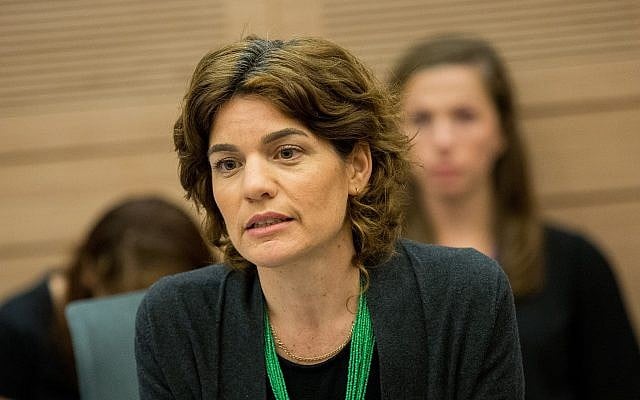
“We need to dissolve the government and go to elections as soon as possible. The public has had enough of laws on loyalty and nationhood, incitement, antagonism and warmongering,” Meretz head Tamar Zandberg said. “Good riddance to a government that can offer nothing more.”
Earlier, senior sources in Jewish Home told The Times of Israel the party would leave the coalition, bringing down the government and forcing new elections. The decision came after Netanyahu rejected Jewish Home leader Naftali Bennett’s demand to be made defense minister in a Friday afternoon meeting between the two.
The sources said a date for elections had not been agreed upon. Elections are formally set for November 2019, but it is now expected they will be held between March and May, with Netanyahu pushing for a later date and other parties seeking an earlier one.
Netanyahu said in a statement, however, that he would continue to try to preserve the right-wing coalition. He also made a series of telephone calls to coalition chiefs telling them there was no reason to dismantle the coalition at this stage.
Netanyahu “stressed the importance of making every effort to preserve the right-wing government and not to repeat the historical mistake of 1992 when the right-wing government was overthrown, the left came into power and brought the Oslo disaster to the State of Israel,” according to the Prime Minister’s Office.

Netanyahu also told Bennett that “the rumors that a decision to go to elections had been made were incorrect,” the statement said.
According to a Jewish Home source, however, “It became clear that in light of the resolute position of Kulanu chairman, Minister Kahlon [who has called for early elections], there was a need to go to elections as soon as possible with no possibility of continuing the current government.”
“On Sunday, the date of the elections will be coordinated between the heads of the coalition parties.”
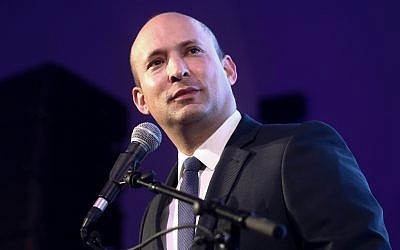
Bennett said Thursday he had asked Netanyahu for the portfolio after Avigdor Liberman resigned the post on Wednesday. The party said this was an “ultimatum” for it to stay in the government.
By pulling his Yisrael Beytenu party out of the coalition, Liberman left the government with a narrow majority, with just 61 out of the 120 Knesset seats. The religious nationalist Jewish Home party then quickly declared it would topple the government if its leader Bennett is not given the defense portfolio.
With no Jewish Home, the coalition would go down from 61 seats to just 53. The government must have the backing of at least half of the 120 seat Knesset to survive no-confidence motions.
While in theory Netanyahu could bring another party into the coalition instead of Jewish Home, all opposition parties have declared their intention to run against him and the possibility of them joining is highly unlikely.
Bennett has long criticized the Netanyahu government’s reluctance to respond more forcefully to Gaza rocket attacks, and has advocated ground incursions into the Gaza Strip. Liberman, quitting the government, said he was doing so to protest Israel’s acceptance of an informal truce Tuesday that put a halt to the latest Hamas-Israel escalation in which Hamas fired over 400 rockets into Israel.
Netanyahu said in his statement after the meeting that he had told Bennett of his intention to keep the defense portfolio “in the light of the critical challenges currently facing the State of Israel.”
The prime minister appeared to present the possibility of keeping his government together, saying in his statement that he would meet with coalition leaders early next week and hoped they would “act responsibly and not to make a historic mistake in overthrowing a right-wing government.”
He is reportedly set to meet separately with Kulanu’s Moshe Kahlon on Sunday.
But the Jewish Home sources said it was too late and that the rejection of the party’s demand to be given the defense portfolio meant elections were inevitable.
Raoul Wootliff contributed to this report.







The Times of Israel Community.