

US to disclose how many killed by its drones, counter-terrorism strikes
President’s security adviser says upcoming report is part of the government’s ‘commitment to transparency’
 Add ToI as a Preferred Source on Google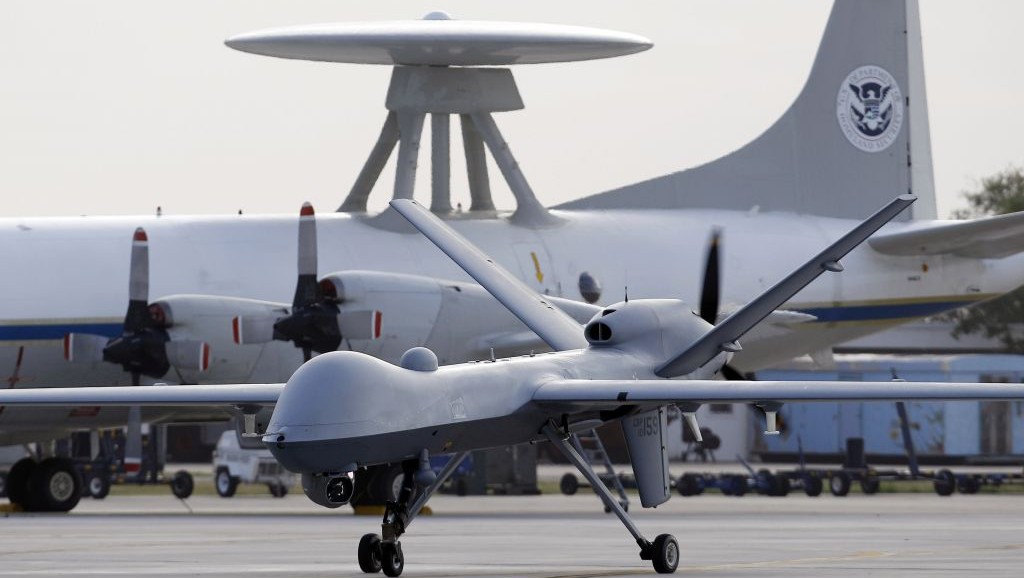
WASHINGTON — The Obama administration plans to disclose how many people have been killed by US drones and counter terrorism strikes since 2009, the White House said Monday, in a bid to bolster credibility for the controversial programs.
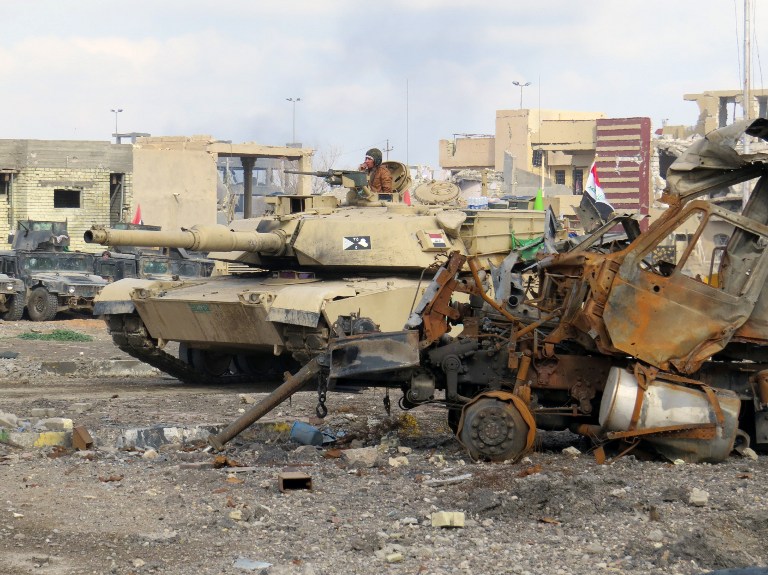
An assessment to be released in the coming weeks will cover both combatants and civilians the US believes have died as a result of strikes from the skies since President Barack Obama took office. It won’t cover areas of “active hostilities” like Iraq and Syria, where US airstrikes are targeting the Islamic State, or Afghanistan. Instead, the report aims to illustrate the fatal toll of other US actions overseas to go after disparate terrorism threats.
In recent years, the US has conducted counter terrorism strikes in Pakistan, Libya, Yemen and Somalia, among other places.
Lisa Monaco, Obama’s counter terrorism and homeland security adviser, was to announce the decision in a speech Monday at the Council on Foreign Relations. She called the forthcoming report part of Obama’s “commitment to transparency” and added that the numbers would be disclosed annually in the future.
“We know that not only is greater transparency the right thing to do, it is the best way to maintain the legitimacy of our counter terrorism actions and the broad support of our allies,” Monaco said in excerpts of her speech obtained in advance by The Associated Press.
US lawmakers have long pressed for more transparency about how many civilians the US kills in drone strikes each year, but those calls for more disclosure have traditionally faced opposition from the US intelligence community. In 2014, senators dropped a demand for a public declaration. Director of National Intelligence James Clapper said at the time that the administration was exploring ways to provide more information about the strikes while protecting classified information and confidential sources.
Obama tightened rules for drone attacks last year, partly to limit unintended casualties, and deaths have declined significantly since then. US officials say few civilians have died from drone attacks in Pakistan, Yemen and elsewhere over the last decade, though unofficial tallies by human rights groups cite higher figures.
Although most of the US strikes taking place in areas like North Africa are drone strikes, the report will also cover other lethal counter terrorism operations like bombing raids carried out by the US since 2009.
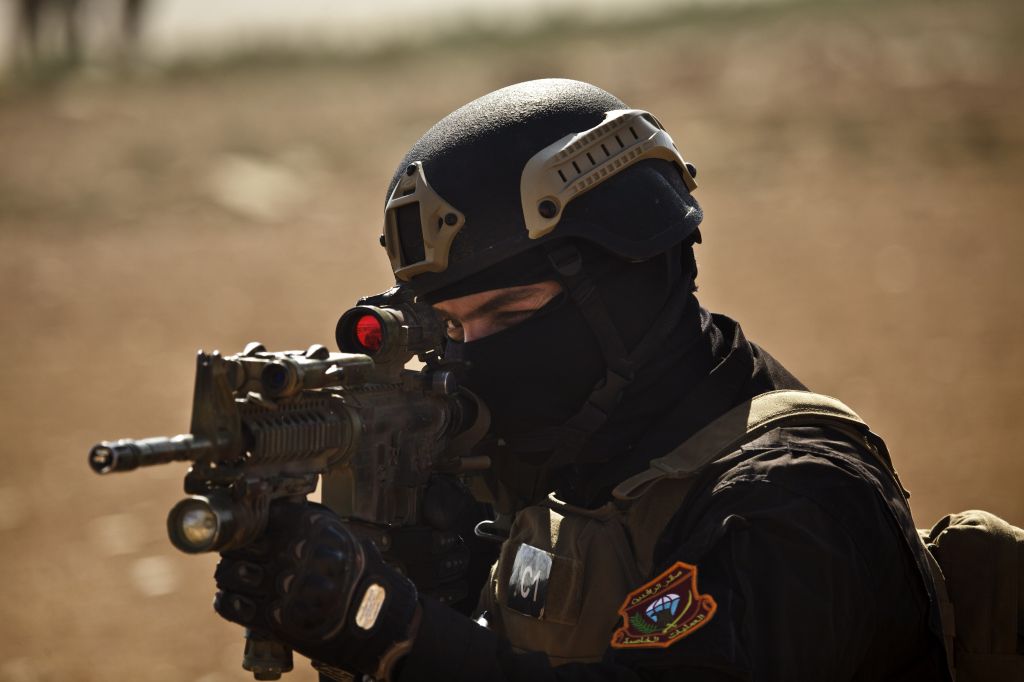
Because the US doesn’t publicly disclose all the drone strikes it takes, the report isn’t expected to detail the specific countries where people died. Instead, it will offer an aggregate assessment. Although the report doesn’t cover the highest profile conflicts like Iraq and Syria, officials stressed that the US seeks to limit use of force and avoid civilian casualties in those conflicts as well.






The Times of Israel Community.