

US condemns Venezuela vote, vows ‘strong and swift’ sanctions
Washington says latest elections were designed to undermine the people’s right to self-determination
 Add ToI as a Preferred Source on Google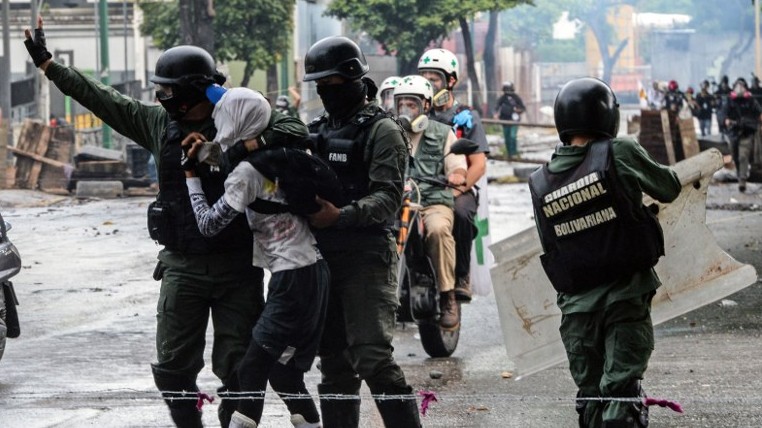
The United States issued a scathing condemnation Sunday of Venezuela’s vote to elect a new assembly tasked with rewriting the constitution, and vowed “strong and swift actions” against the government of President Nicolas Maduro.
“The United States condemns the elections imposed on July 30 for the National Constituent Assembly, which is designed to replace the legitimately elected National Assembly and undermine the Venezuelan people’s right to self-determination,” the US State Department spokeswoman Heather Nauert said in a statement.
The new assembly would concentrate near-total power in the hands of socialist President Nicolas Maduro and his supporters.
“The United States stands by the people of Venezuela, and their constitutional representatives, in their quest to restore their country to a full and prosperous democracy,” she said.
“We will continue to take strong and swift actions against the architects of authoritarianism in Venezuela, including those who participate in the National Constituent Assembly as a result of today’s flawed election.”
The US had already joined Argentina, Peru, Colombia and Panama in saying it would not recognize the vote results.
US Ambassador to the United Nations Nikki Haley tweeted earlier that the vote was a “sham election” which takes Venezuela “another step toward dictatorship.”
The US statement went on rebuke Venezuela’s besieged leader Maduro, who critics said orchestrated Sunday’s vote in a naked bid to remain in power.
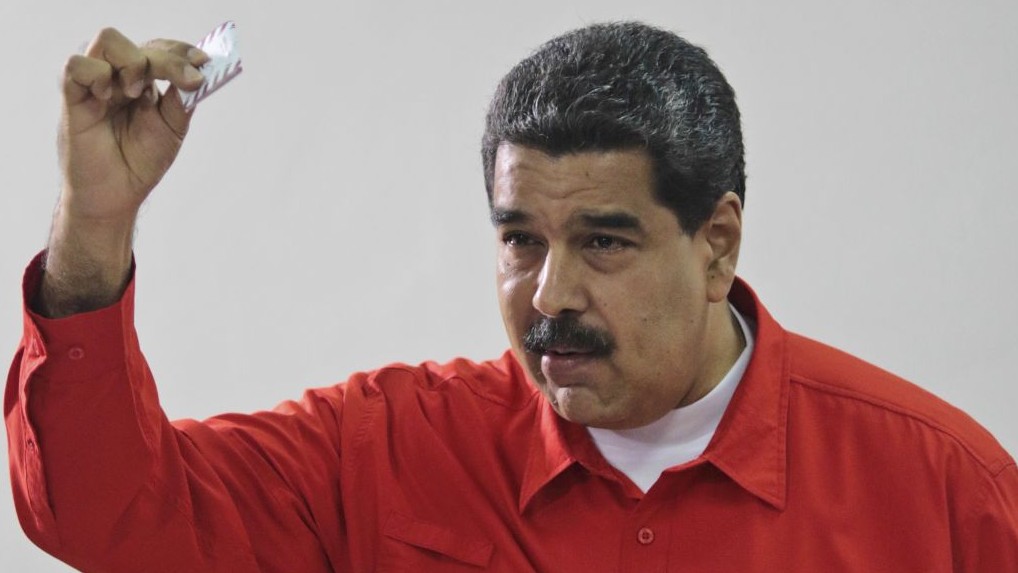
“President Nicolas Maduro has cast aside the voices and aspirations of the Venezuelan people,” US State Department spokeswoman Heather Nauert said, also offering condolences to victims of the violence that has wracked Venezuela over the past four months.
“We condemn the use of violence by the Maduro regime against citizens exercising their rights to freedom of expression, association and peaceful assembly,” her statement continued.
“We encourage governments in the hemisphere and around the world to take strong action to hold accountable those who undermine democracy, deny human rights, bear responsibility for violence and repression, or engage in corrupt practices.”
The run-up to Sunday’s controversial polls have seen scores of deaths with at least another 10 people reportedly killed in election day unrest, officials said.
A wave of bloodshed swept Venezuela Sunday as troops cracked down on violent protests against the elections.
Protesters attacked polling stations and barricaded streets around the country, drawing a bloody response from security forces, who opened fire with live ammunition in some cases.
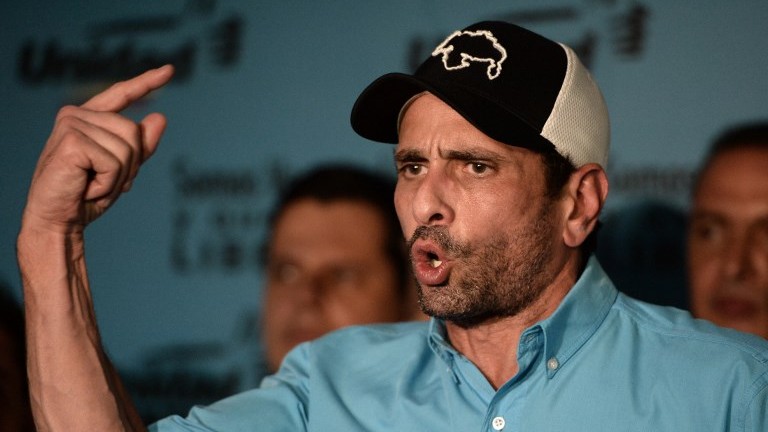
Senior opposition leader Henrique Capriles called on Venezuelans to continue defying the deeply unpopular Maduro with new protests against the election and the “massacre” he said accompanied it.
“We do not recognize this fraudulent process,” he said at the close of voting, calling for nationwide marches Monday and a mass protest in Caracas Wednesday, the day the new “Constituent Assembly” is due to be installed.
Maduro has decreed a ban on protests during and after the vote, threatening prison terms of up to 10 years.
The socialist president is gambling his four-year rule on the 545-member assembly, which will be empowered to dissolve the opposition-controlled congress and rewrite the constitution.
But the unrest fueled fears that his insistence on convening the assembly — despite months of demonstrations and fierce international criticism — would only plunge the country deeper into chaos.
Prosecutors said 10 people were killed in violence around the vote, bringing the death toll in four months of protests to some 120 people.
Those killed included a candidate for the new assembly, a regional opposition leader, two teenage protesters and a soldier in the western state of Tachira, which saw some of the worst violence.
In eastern Caracas, seven police were wounded when an improvised explosive targeted their motorcycle convoy.
National guard troops used armored vehicles, rubber bullets and tear gas to disperse protesters blocking roads in the west of the capital.
Soldiers also violently moved against protesters in the second city of Maracaibo, in the west, and Puerto Ordaz in the east.
The opposition had called for a boycott and mass demonstrations against the election, which it condemned as a bid to install a dictatorship.


The Times of Israel Community.