

After two vets die by suicide, Defense Ministry forms new team to probe procedures
Ministry says experts will look into cases of Bar Kalaf and Or Donio, and formulate work plans to improve treatment of veterans suffering mental illness
 Add ToI as a Preferred Source on Google
Emanuel (Mannie) Fabian is The Times of Israel's military correspondent
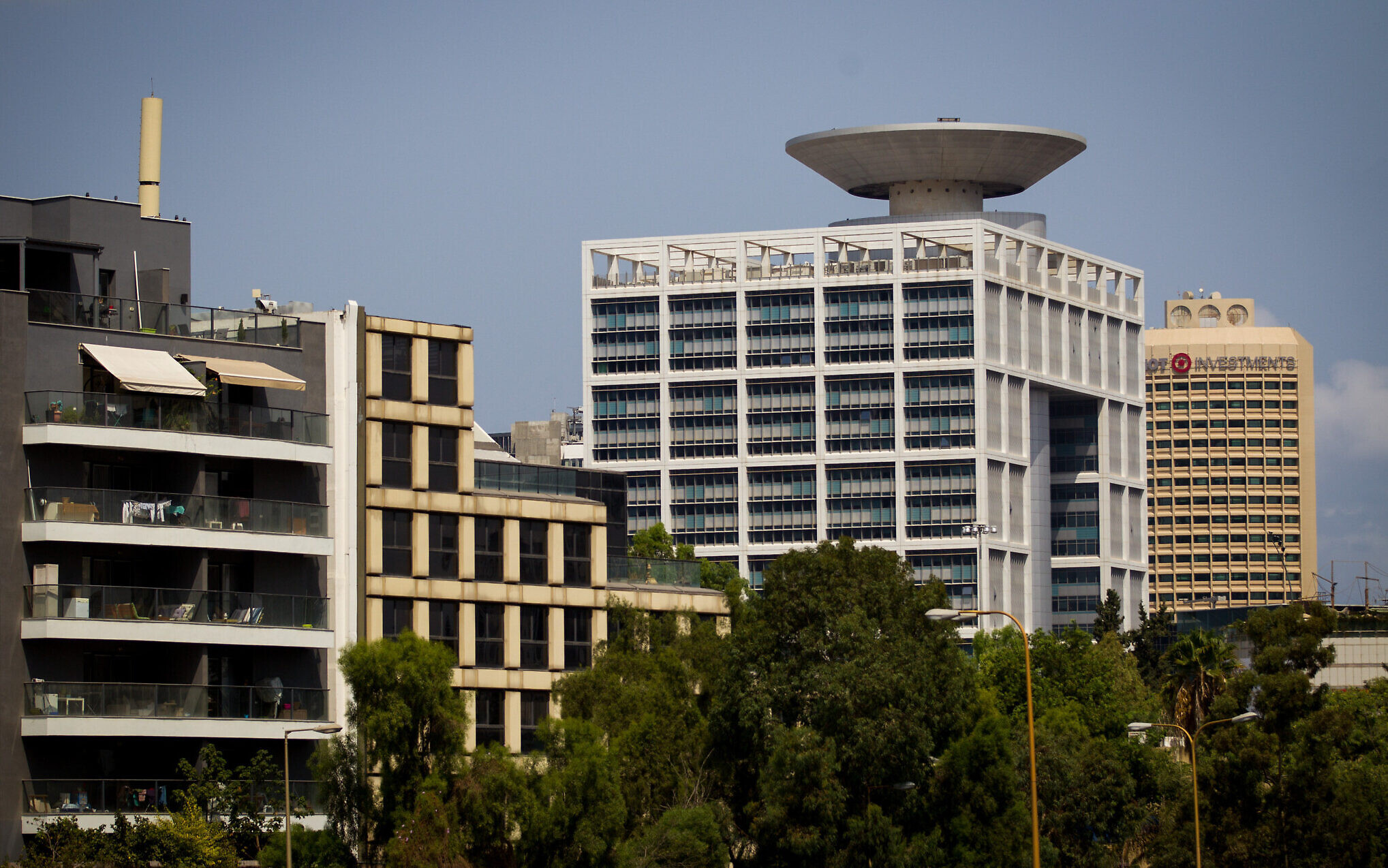
The Defense Ministry on Saturday evening announced that it was establishing a team to formulate plans to improve procedures with regard to the recognition and treatment of veterans suffering from post-traumatic stress disorder and other mental illnesses, after two former soldiers died by suicide last week.
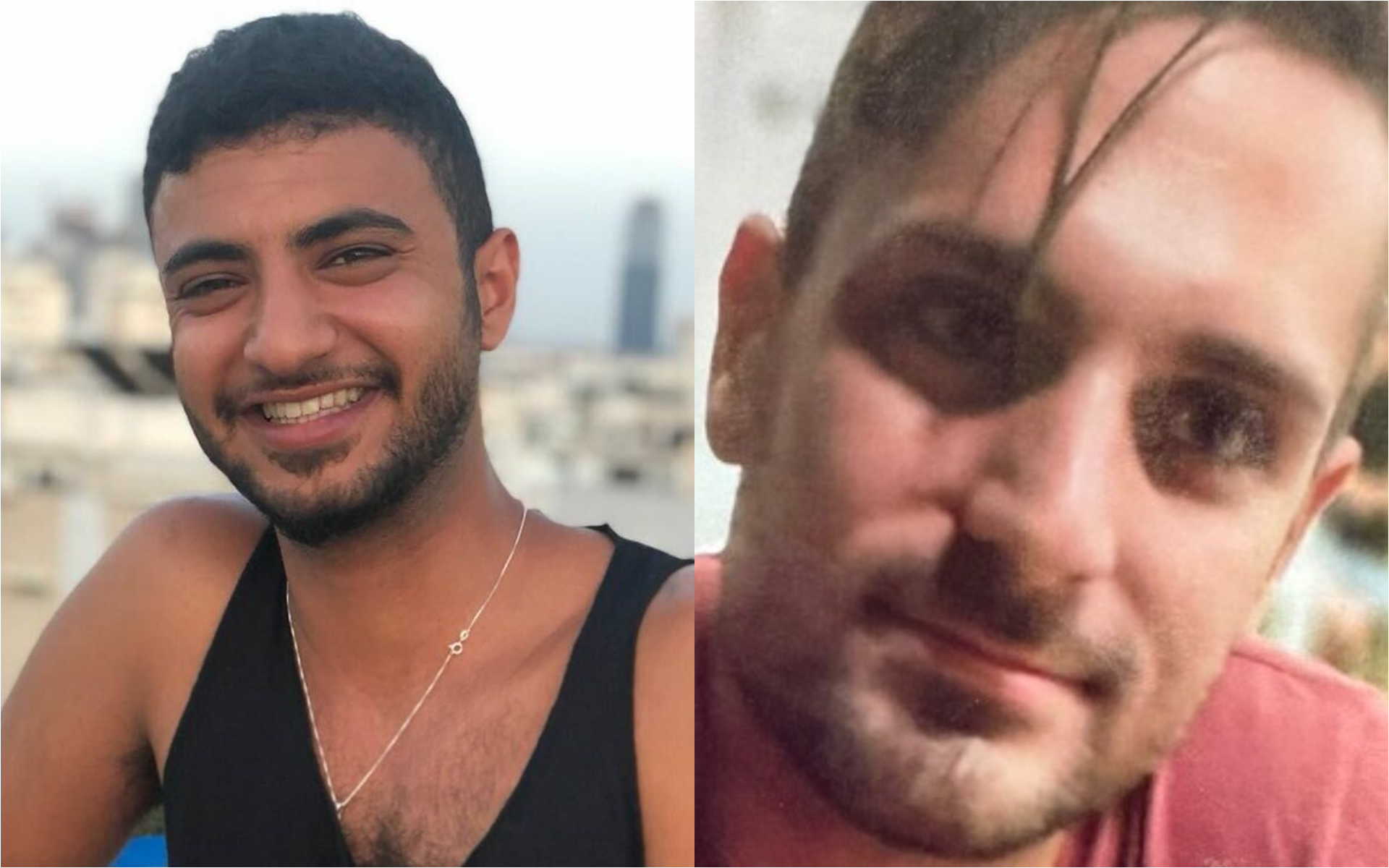
On August 3, Bar Kalaf, 33, died two days after setting himself on fire at his home after his application to be recognized as suffering from PTSD was denied by the ministry’s Rehabilitation Department for disabled veterans. The ministry claimed that Kalaf suffered from another mental illness that was not PTSD and unrelated to his combat service in the Israel Defense Forces.
A day later, Or Donio, 30, another former combat soldier apparently suffering from PTSD, died by suicide. The ministry said that Donio’s application to be recognized as a disabled veteran was submitted some 10 months before his death, and he had already begun receiving some treatment, though the application process had dragged on.
“In light of the late Or’s request not to contact his commanders from his military service, and in the absence of documentation, the duration of processing his request was extended more than usual,” the ministry said after his death was published by the media on August 7.
On Saturday, the ministry said that amid “efforts to improve the care and service for disabled veterans, with an emphasis on those dealing with PTSD and in light of unfortunate incidents of suicide that have occurred recently by those seeking recognition, the Defense Ministry is establishing a professional team to examine the recognition procedures for mental illness applications.”
The ministry said Maj. Gen. (res.) Yitzhak Turgeman, who formerly headed the army’s logistics unit, would lead the team.
Also making up the team will be Itamar Graf, the deputy director and head of the planning division at the Defense Ministry; Prof. Eyal Fruchter, chair of the National PTSD Council; and Haggai Reznik, a former director general of the Community Empowerment and Advancement Ministry and Housing Ministry, and also involved in previous Defense Ministry plans to address the needs of wounded veterans, were named as members of the team. Additionally, a senior social worker would be part of the team, the ministry added.
“The team will examine the procedures for handling the [PTSD] recognition requests by the late Bar Kalaf and Or Donio, and formulate an operative and focused work plan to improve the service and treatment of those seeking recognition due to mental illness,” the ministry said.
Two years ago, IDF veteran Itzik Saidyan self-immolated outside the Petah Tikva offices of the Rehabilitation Department, in a case that attracted national attention to the plight of military veterans traumatized by events that happened during their military service.
Saidyan, who has since mostly recovered, said he had struggled for years to receive the care he’d requested for PTSD, which he said stemmed from his service in the military.
The Defense Ministry’s treatment of wounded veterans came under intense scrutiny following Saidyan’s grim protest.
Veterans and their advocates have long maligned the department as providing woefully insufficient care and subjecting applicants to a bureaucracy so convoluted and tortuous that many are required to hire expensive lawyers to help them navigate the system.
Following Saidyan’s self-immolation and the accompanying outcry, the Defense Ministry has been implementing some reforms that it had been considering for years but had not had the political will to carry out.









The Times of Israel Community.