

Despite cost of living hikes, Israelis are eating more beef, veal
Annual per capita consumption of 20.2 kilograms of bovine meat last year was 7% up on the year before, Agriculture Ministry says; purchases set to jump for Independence Day
 Add ToI as a Preferred Source on Google
Sue Surkes is The Times of Israel's environment reporter
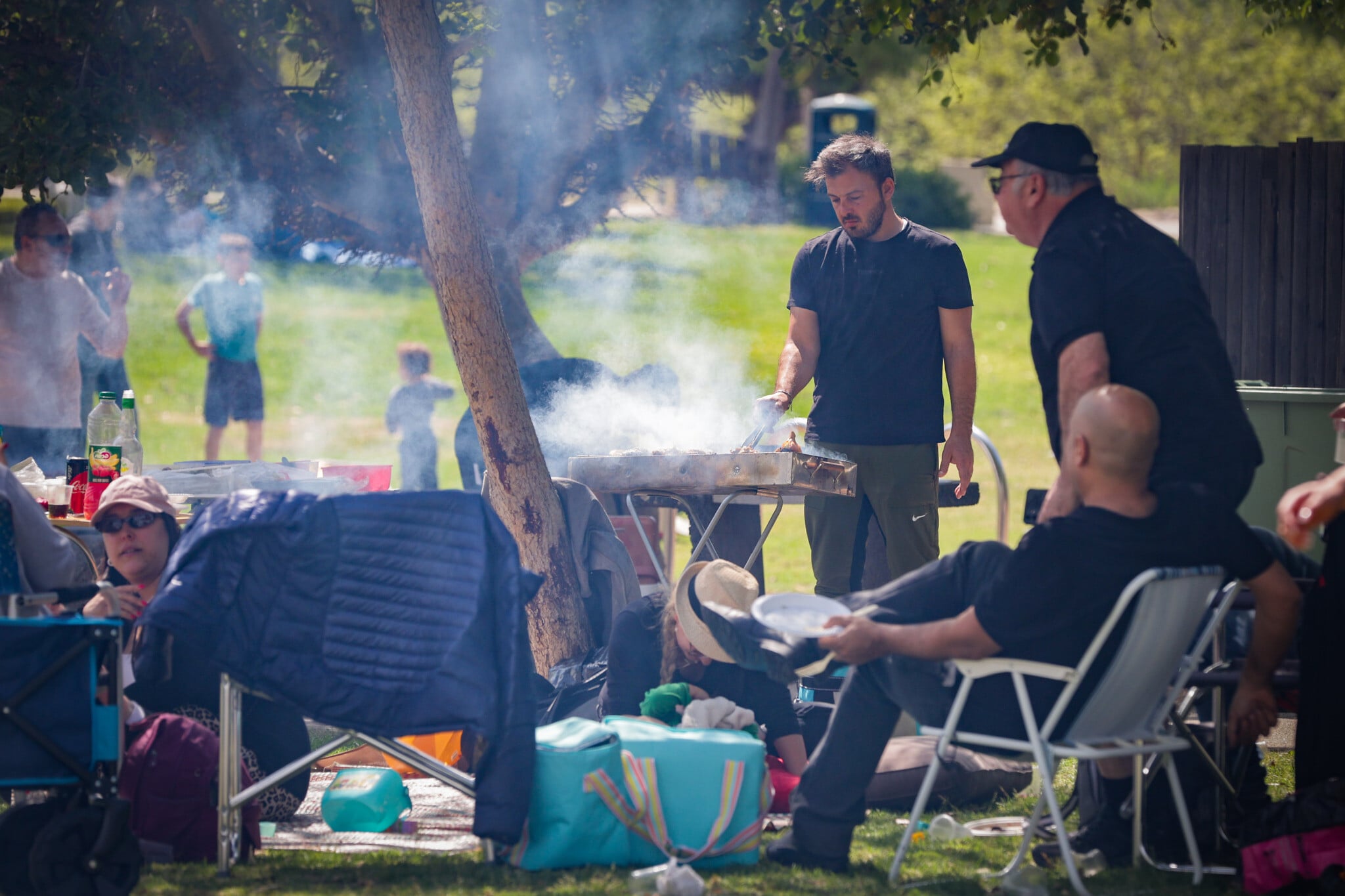
Despite the ever-rising cost of living, Israelis last year bought seven percent more beef and veal than the year before, consuming an average of 20.2 kilograms (44.5 pounds) per capita, the Agriculture Ministry reported Sunday.
Per capita consumption in OECD countries, by contrast, stood at an average 13.4 kilograms (29.5 pounds). Some OECD countries were still higher, with 23.2 kilograms (51 pounds) in the US and 21.9 kilograms (48 pounds) in Australia.
In all, Israelis consumed around 201,000 tons of beef in 2025, of which half was fresh or chilled.
This week, in the run-up to the country’s 78th Independence Day on Wednesday, purchases of bovine products are expected to jump by 46% compared to a normal week, and more than threefold for special grilled meats.
Around 30 percent of fresh beef and veal is slaughtered locally — 16% from calves transported live from overseas and fattened and killed in Israel, and 14% from local dairy and pasture cattle. A further 20% is imported chilled, and 50% frozen, after slaughter overseas.
According to StorNext data cited by the ministry, the average retail price for a kilogram of frozen beef last year was NIS 52.5 ($17.50 at current rates), with the average cost of a cut from the front of the animal standing at NIS 86.9 ($29) per kilogram.
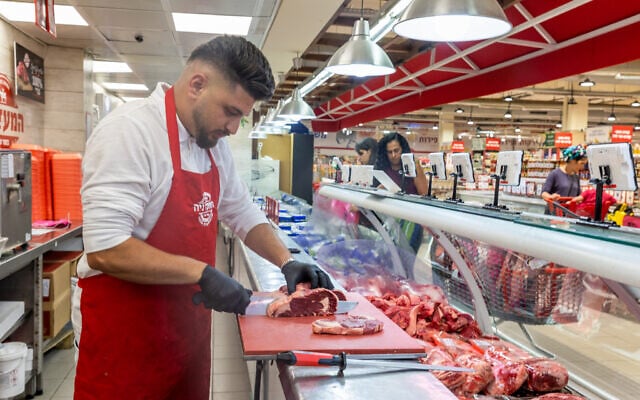
In a statement, the ministry said it was working with the Health Ministry and the Regulatory Authority in the Prime Minister’s Office on a minced meat market reform expected to slash consumer prices by up to 15%. The reform will include grinding more fresh meat in factories under advanced quality control, to reduce grinding at points of sale. The ministry said the change would expand retail supply, reduce operating costs, and cut food waste.
It called on customers to buy only in licensed stores, and in original, closed packaging marked with the dates of manufacture and expiration. It warned the public against businesses that sell thawed frozen meat and present it as fresh, or that boast about “aged meat.”
“In practice, all types of meat must undergo an aging process (except for ground meat or particularly fatty cuts), otherwise the meat will not be edible, so ‘aged meat’ is not a reason to pay more,” it said.
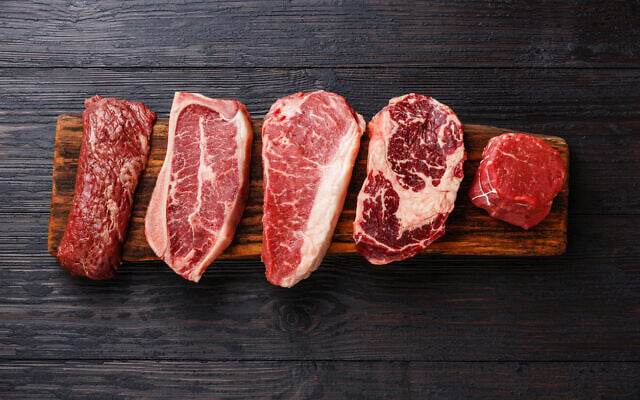
Fresh beef was red but should not be shiny, it went on, with shine usually a sign of chemical additives, while a good cut has a marbled appearance. The ministry recommended buying meat at the end of a shopping expedition, to get it to the refrigerator as quickly as possible.
Refrigerator temperatures should be less than 4°C (39.2°F), it went on, and -18°C (-64.4°F) in the freezer compartments. Cooked or uncooked meat should not be left outside the refrigerator for more than two hours, it added.










The Times of Israel Community.