

 From the Liveblog of
Thursday, July 24, 2025
From the Liveblog of
Thursday, July 24, 2025
Israeli liaison blames UN for not delivering aid, says Hamas using famine claims as leverage in talks
 Add ToI as a Preferred Source on Google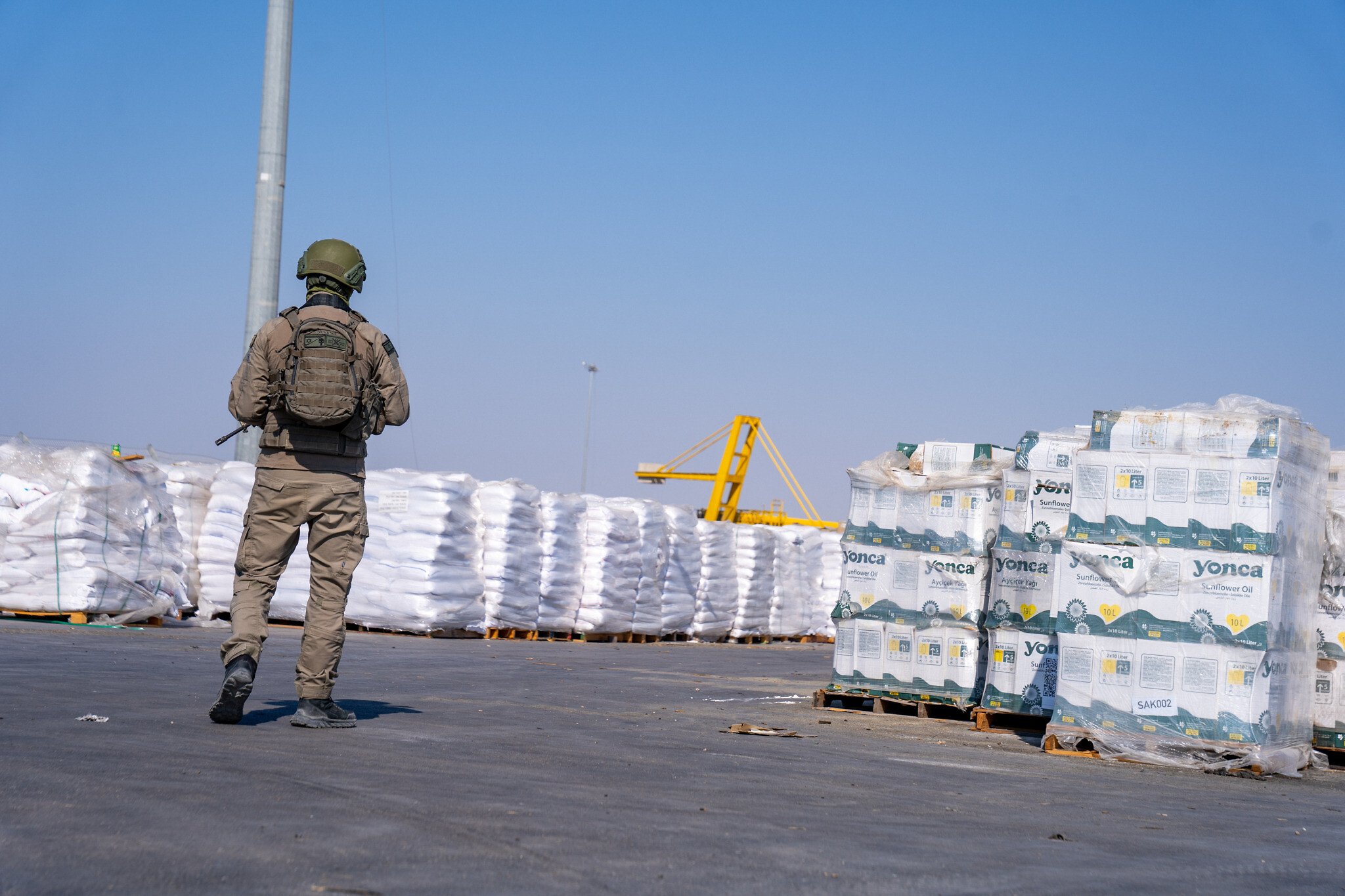
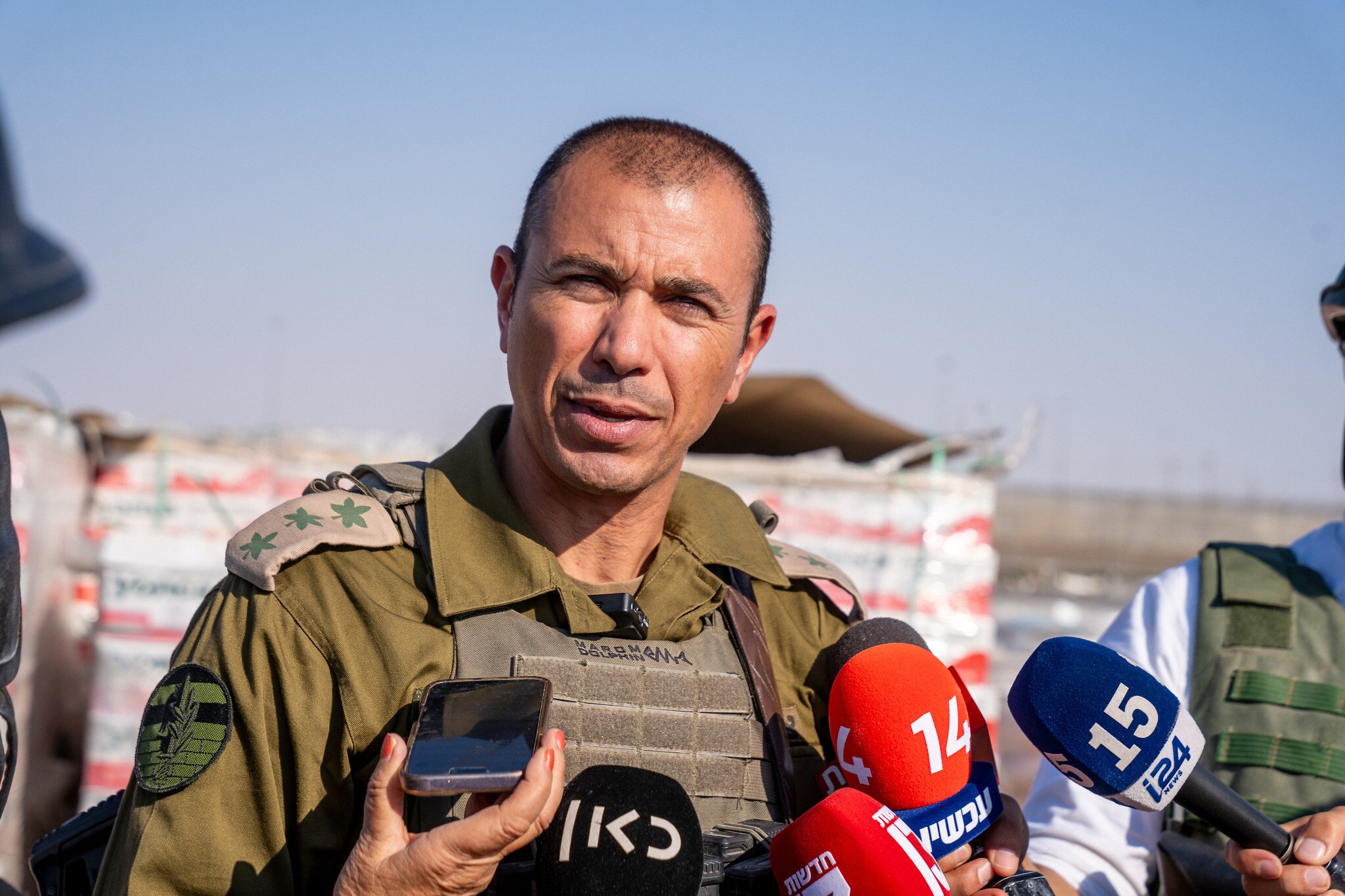
Speaking to reporters on the Gazan side of the Kerem Shalom Crossing, a senior officer in Israel’s Coordinator of Government Activities in the Territories says only limited aid is entering the Strip because of a “lack of cooperation from the international community,” while also dismissing Hamas’s “famine narrative” as a tactic used in the ongoing hostage talks.
Col. Abdullah Halabi, head of COGAT’s Coordination and Liaison Administration for Gaza, says that approximately 1,000 trucks’ worth of aid are piled up inside the Strip, awaiting collection by the United Nations and aid groups.
He says truckloads are waiting on the Gaza side of the crossing “due to a lack of cooperation from the international community and international organizations.”
“We have seen in the last two days a slight improvement in their work, especially in the UN’s position and the UN’s organizations. We invited them here as we have done several times to continue to encourage them, to check together with them what can be done to transfer this aid in,” he says.
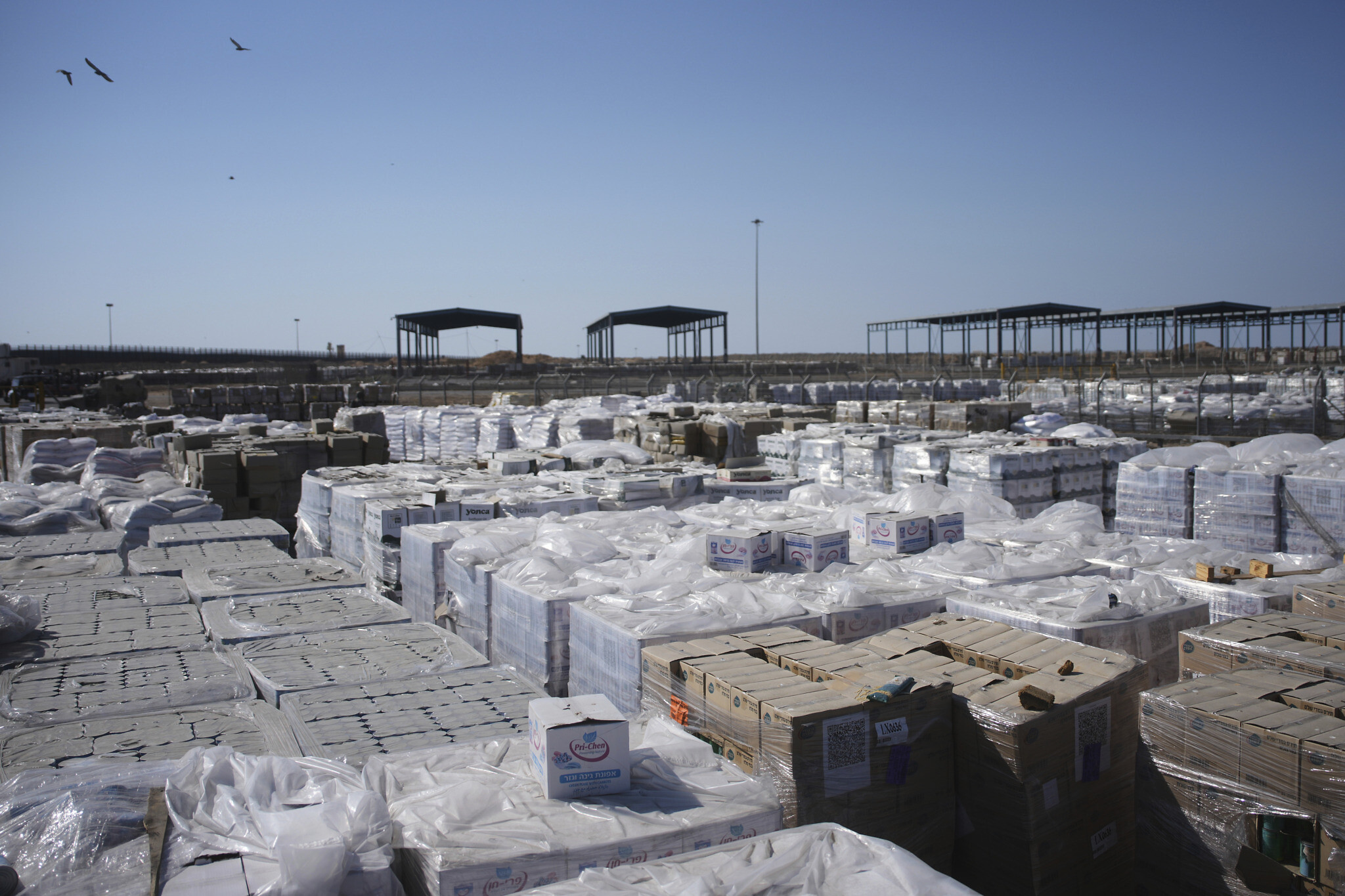
The UN has repeatedly claimed that COGAT has refused its requests for collection and distribution authorization, and that dangerous and complex conditions inside Gaza made aid distribution very difficult.
Halabi says Israeli moves in recent weeks to facilitate the delivery of aid include “expanding” the Kerem Shalom Crossing, and opening up three other terminals in the north and center of the Strip.
“We allowed longer work hours, and we took all the necessary steps to allow the international community to bring a very large amount of humanitarian aid into [Gaza], to combat the famine narrative, which Hamas uses to fight against us,” he says.
“The State of Israel allows the entry of humanitarian aid beyond the standards of international law, without restriction. As long as the international community makes an effort to bring in the aid, we will allow them to bring it in,” he continues.
According to Halabi, the military and COGAT have identified an “intense and violent campaign” by Hamas against Israel’s humanitarian aid mechanism.
“This campaign is based on lies,” he says, referring to claims of widespread starvation in Gaza. “It was created not to help Gaza’s population receive the aid, but primarily to improve Hamas’s standings in the [hostage] negotiations that are taking place over the last few days, and it is using different means, in particular the famine narrative, to improve their standings.”
Halabi notes recent reported attacks by Hamas against the new aid distribution sites, run by the Israel and US-backed Gaza Humanitarian Foundation, accusing Hamas of working “to create chaos and to create a reality in which the humanitarian situation is depicted poorly.”
There have been repeated reports of mass killings outside aid sites, most of them blamed on Israeli fire. Israel has admitted firing warning shots at groups of civilians getting too close to troops.
The depiction of the humanitarian situation in Gaza “doesn’t correspond with the 4,500 trucks that entered in the last two months, carrying everything, from personal humanitarian aid for families to medical equipment, hygienic supplies, and more,” he claims.
“We, the army and COGAT, will continue doing whatever is possible and necessary, improve the relevant conditions, strengthen our relationship with the international community and with the different humanitarian organizations, and help them to allow the entry of aid,” he continues.
“We are fighting Hamas, we will continue to fight Hamas. We will not allow a reality in which Hamas uses anything, whether it is humanitarian aid or any other means, to strengthen its interests or itself,” Halabi says.








The Times of Israel Community.