

 From the Liveblog of
Thursday, October 8, 2026
From the Liveblog of
Thursday, October 8, 2026
Netanyahu could have saved lives of some hostages, but prioritized his political survival, his ex-military secretary charges
 Add ToI as a Preferred Source on Google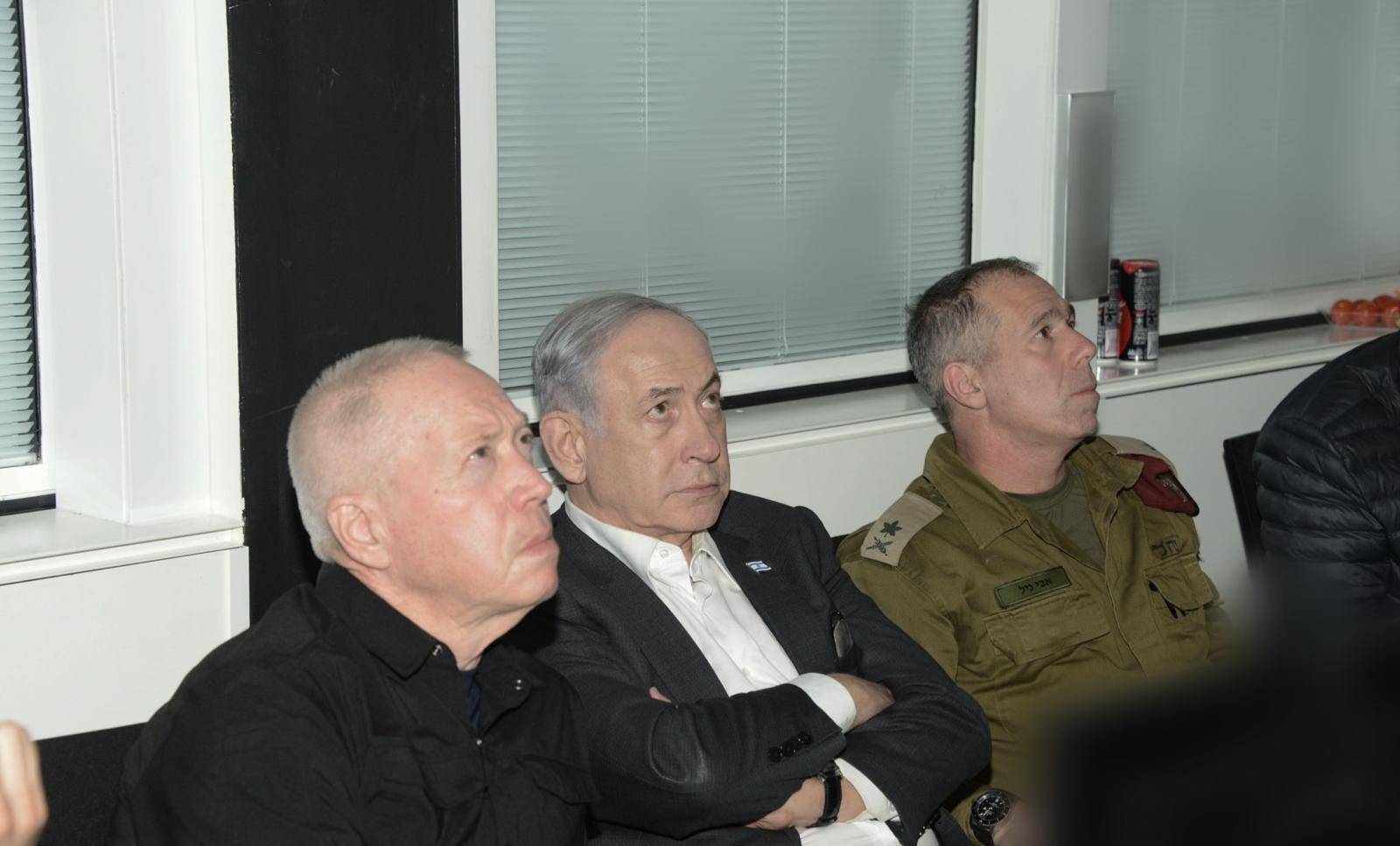
In his bombshell interview with Channel 12, Prime Minister Benjamin Netanyahu’s former military secretary is asked about claims that some of the hostages who died in captivity in Gaza could have been brought back alive, and that some of those who survived could have been returned earlier.
“We could have [done so],” he replies simply.
Gil indicates that Netanyahu caved to pressure from far-right ministers in his coalition who wanted intensified war against Hamas in Gaza and opposed hostage deals and ceasefires.
He is asked whether there were times when Netanyahu had taken a decision, but then far-right ministers said “there is no deal,” and Netanyahu changed course. “Yes,” he says.
“Over time, gaps developed between the recommendations of the defense authorities and maybe even the prime minister’s own wishes,” on the one hand, “and the decisions or recommendations of his ministers,” says Gil.
He is asked whether, simply put, hostages were murdered or died in captivity, when it was possible to bring them home alive, for political reasons.
“That is accurate,” he says. “They could have come back before.”
Pressed further as to whether he was present at a meeting where the prime minister decided in favor of “the government and politics, in other words for his own personal political survival,” over the lives of hostages in Gaza, Gil initially does not directly address the question, saying he does not want to give a superficial answer. “Factually,” he says, however, “that is exactly what happened.”
He adds that leadership requires looking at the full picture, and “political considerations are also part of the matter… [But ] did I think at the time that it was a mistake? Did I think it was right to prioritize the return of hostages? The answer is yes,” he says.
Gil is asked whether he was prevented from bringing a certain document into a cabinet meeting, and that a hostage deal consequently did not go ahead, and he says nothing.
When he meets with the families of hostages who died in Gaza, or with former hostages who spent longer in captivity than might have been avoided, Gil is asked, what does he says to them.
“That they are right,” he says. He says he sits with “people who came back from that hell, and yes, you know that some of them could have come back earlier.”
Gil is asked why the prime minister refrained from visiting Kibbutz Nir Oz and other Gaza-envelope communities for a long time, and says his interviewers should ask the Prime Minister’s Office. He says he, among others, did recommend that Netanyahu visit.
Asked, in retrospect, what he could have done differently, Gil notes that he was a uniformed soldier in the State of Israel for 35 years, “all my adult life,” and served in a senior role as the prime minister’s military secretary. “That cannot be taken away. I carry that with me. I see the holes. I meet the people who returned from Hamas captivity. And that is with me. It is inside of me.”
Asked whether the prime minister is “responsible” for the failures surrounding October 7, Gil says “yes,” and adds: “I don’t understand in what world you can disconnect the concept of leadership from the concept of responsibility.” As commander of the elite IDF Duvdevan undercover unit, he says, “I was responsible” whether an operation he ordered succeeded or failed. “There is no leadership without responsibility.”
Gil is asked whether he sometimes asks himself “how it happened to us, to the great IDF?”
“Sometimes?” he retorts, bitterly. “Every day.”
He lists multiple reasons for what went wrong, including the lack of questioning of false assessments, the primacy of intelligence material “that caused us to forget common sense” as regards what Hamas was preparing to do, and an exaggerated sense of Israel’s strength “that sometimes makes you feel that nothing [bad] will happen to you.”
Asked how history will judge Netanyahu, Gil, as often in the interview, says nothing.
And how history will judge his military secretary, Avi Gil, he says, “I don’t know. I hope that I base myself on true facts, and on that they will judge me.”







The Times of Israel Community.