

 From the Liveblog of
Sunday, March 22, 2026
From the Liveblog of
Sunday, March 22, 2026
Public transit operating at reduced capacity due to war, tranportation companies say
 Add ToI as a Preferred Source on Google
Sam Sokol is a former political correspondent at The Times of Israel. He was previously a reporter for the Jerusalem Post, Jewish Telegraphic Agency and Haaretz. He is the author of "Putin’s Hybrid War and the Jews"
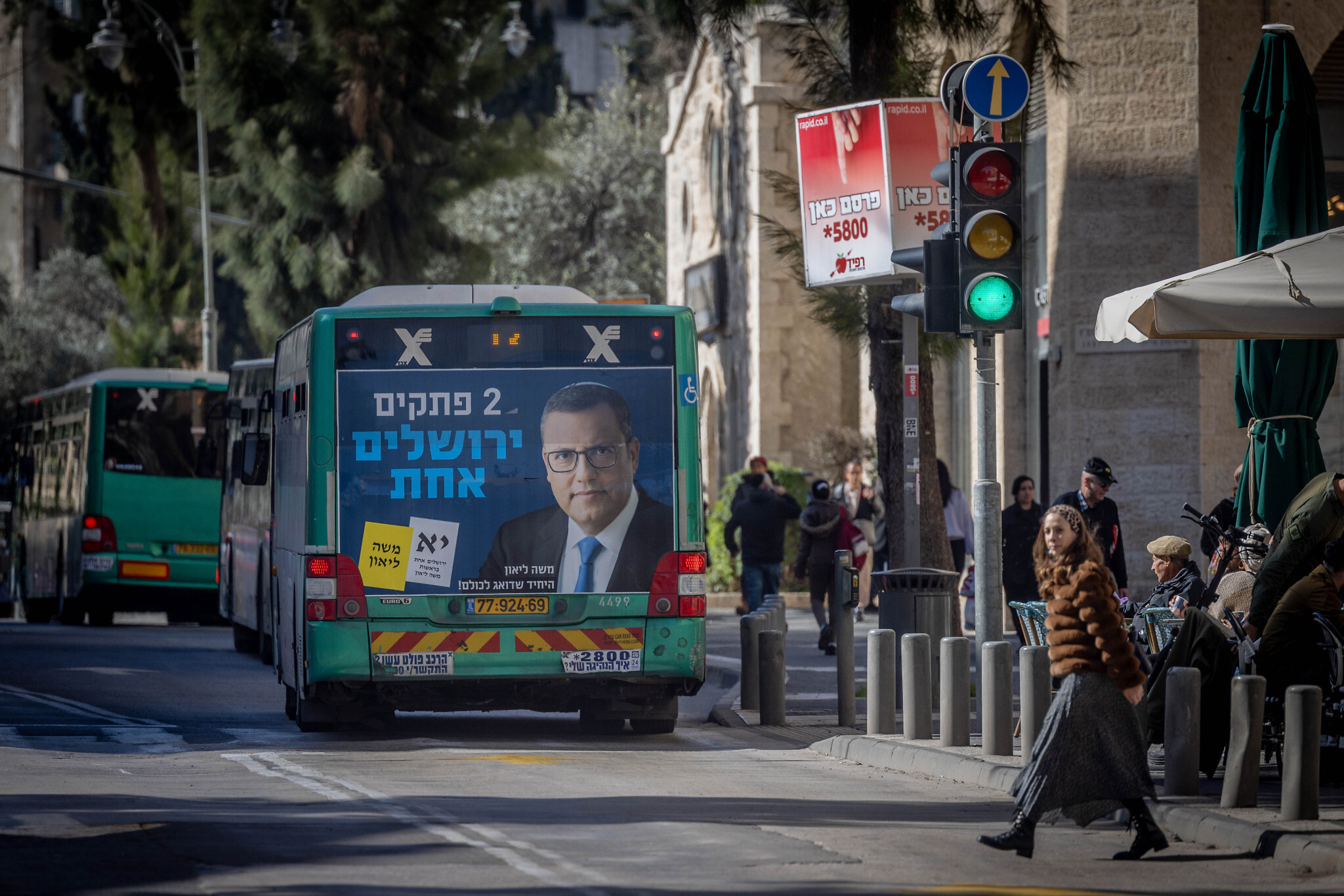
Public transportation is functioning at reduced capacity during the war with Iran due to the necessities of the war, fewer drivers, and lower demand, representatives of transit companies tell the Knesset State Control Committee during a hearing.
Stating that maintaining public transit is vital during wartime, committee chairman MK Alon Schuster (Blue and White) asks “how a situation arose where parents had to drive their soldier children to bases under missile fire instead of full and regulated operation of the transportation system.”
Addressing the committee, the head of the IDF Logistics Division, Brig. Gen. Pini Ben Moyal, tells lawmakers that the military, together with the Transportation Ministry, mobilized some 1,400 buses and “as the volume of required buses increases, there is some impact on public transportation, but everything is done with coordination.”
The Transportation Ministry is currently operating at levels of 20%, 50% and 75% in various locales, and is not operating at all in some places, per defense establishment assessments, says the ministry’s Michal Kalla Ben-Hamou. A representative of the National Public Transportation Authority tells lawmakers that despite around 500 drivers being called up for reserve duty, “for the public, this means only a moderate decrease in frequency; a line that ran every 15 minutes during routine now runs on average every 20 minutes.”
Israel Railways states that it is operating at “60%–70% of routine levels, even though a third of the staff is mobilized for reserve duty,” while the Dan bus company states that in the greater Tel Aviv region its buses are operating at 60% frequency “against a demand of about 55%.”
“Service volume stands at about 75% of routine,” a representative of the Kavim bus company adds.
Tzachi Ravivo, VP of Resources and Administration at Netivei Israel, warns citizens against sheltering under highway overpasses during missile attacks.
“We route traffic according to operational and civilian needs. It is important to clarify that staying under bridges during a siren is not safe and could be life-threatening,” he says.







The Times of Israel Community.