

With Amona and new broadcaster both on chopping block, Knesset opens on shaky ground
As parliament’s winter session begins, divides between PM, ministers threaten to chip away at coalition stability
 Add ToI as a Preferred Source on Google
Marissa Newman is The Times of Israel political correspondent.
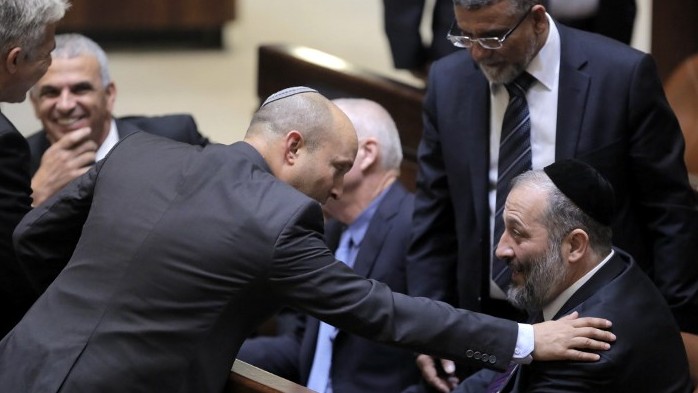
The Knesset on Monday opens its winter session after a three-month break, with the fate of the West Bank outpost of Amona and the new public broadcaster already riling the coalition.
With the beginning of the new session, the countdown also began for the government approval of the two-year state budget by the end of the year. The deadline for the High Court of Justice-ordered demolition of Amona, meanwhile, is scheduled for December 25.
The impending evacuation of Amona poses a political predicament for what has been described as Israel’s most right-wing coalition in history, with the Jewish Home party and most members of the governing Likud vowing to block the razing of the nearly 20-year-old outpost which the court in 2014 ruled was built on privately-owned Palestinian land.
On Sunday, the Jewish Home party attempted to bring a controversial bill to recognize the outpost and compensate the Palestinian owners — legislation deemed “unconstitutional” by the attorney general — to a vote in the Ministerial Committee for Legislation. After Prime Minister Benjamin Netanyahu intervened, the leaders of the coalition parties agreed to postpone the vote by a week.

But with most of the Likud ministers in favor of the contested bill, and the alternative plans to relocate the Amona residents to other West Bank plots not appearing to make headway or generate support by settler leaders, it remains unclear how Netanyahu will dig his way out of a looming coalition crisis with the Jewish Home and his own Likud party should the evacuation go ahead, without crossing the attorney general and circumventing the court order.
In the meantime, the prime minister was seeking to buy time from the court to extend the demolition by six months.
On Sunday, Netanyahu also announced he would bring a proposal to shutter the not-yet-operational new public broadcaster — which was established by way of Likud legislation — to a cabinet vote at next Sunday’s meeting. The legislation by Likud MK and coalition chairman David Bitan was estimated to cost the treasury some NIS 400 million, according to a report by Channel 2 News on Sunday night.

The new bill, which would see mass layoffs at the new broadcaster “Kan,” has made way to renewed accusations the prime minister was seeking to muzzle journalists critical of his policies. The proponents of the closure, in the meantime, cite the cost of the public broadcaster to the state as the ostensible reason for shuttering it. But Bitan himself has acknowledged that the alleged political bent of the journalists hired thus far by Kan is behind his efforts to keep it off-air. The new broadcaster “has been hijacked by left-wing, anti-government figures,” he told Channel 2 on Saturday. On Sunday, Bitan told Israel Radio that Netanyahu was determined to shut it down.
The Jewish Home, Kulanu, and Shas parties are reportedly against closing the new broadcaster, as was former communications minister Gilad Erdan (Likud), though, as part of the coalition agreements, the parties are bound to support Netanyahu-backed media reforms. In an apparent protest, Finance Minister Moshe Kahlon on Sunday skipped a meeting with Netanyahu and coalition party leaders on the subject.
But Kahlon will likely need Netanyahu’s help in advancing the budget by the end of the year and his pet project of apartment taxation for real estate owners, beginning with the third apartment, which has proven controversial.

As the Knesset kicks off, as far as coalition stability is concerned, much will depend on whether Netanyahu will be able to reach a compromise with Kahlon on the budget and broadcaster, and with Bennett’s Jewish Home on Amona.
Meanwhile, the future of the governing coalition looks increasingly shaky and the upcoming session will likely be the rockiest yet for the nearly 18-month-old government.










The Times of Israel Community.