

Court rules Ethiopian-Israeli rabbis were discriminated against
State ordered to pay religious leaders damages and back pay, after they received lower wages for years
 Add ToI as a Preferred Source on Google
Stuart Winer is a breaking news editor at The Times of Israel.
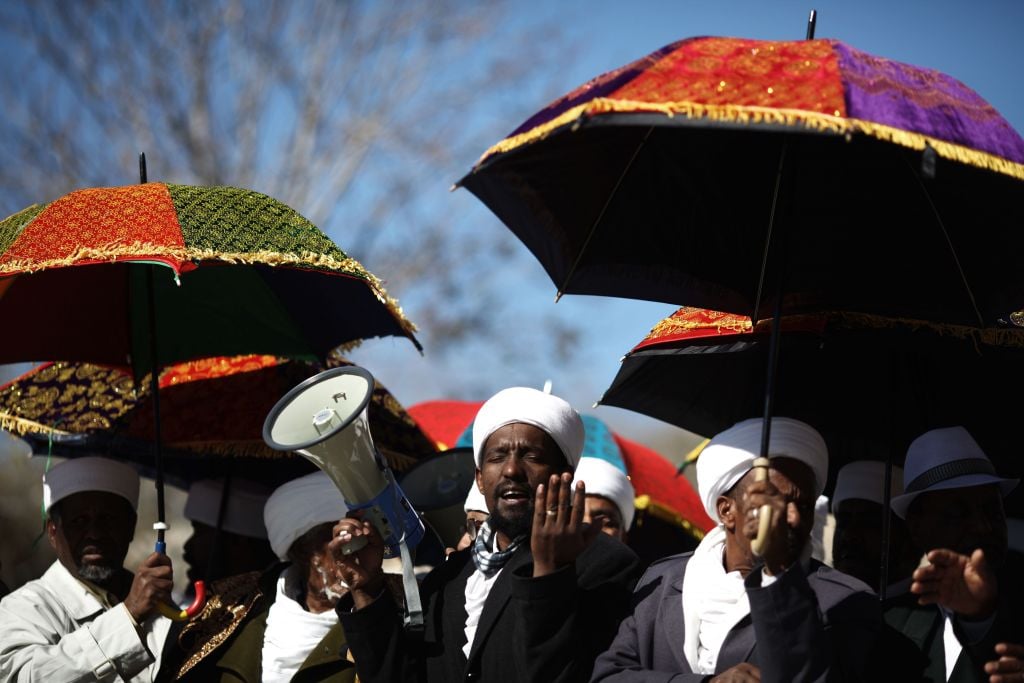
The Beersheba Regional Labor Court on Monday ordered the state to compensate Ethiopian-Israeli rabbis and religious leaders, ruling that they were discriminated against for years by the religious councils on which they serve.
Concluding a trial that lasted eight years, the court said each of the 16 plaintiffs should receive NIS 50,000 ($13,000) in damages because they had been paid less well than their non-Ethiopian counterparts and were denied some of their employment rights, Army Radio reported.
The court ruled that Ethiopian rabbis and kesim — community priests — are entitled to wages equal to those paid to other neighborhood rabbis. In addition to the compensatory damages, the state was ordered to retroactively pay the rabbis for the difference in wages they had not received during their years of employment.
In summing up, the judges noted that “neither the state nor the religious councils presented any evidence regarding the existence of sufficient practical reasons to justify the difference between the wages of the plaintiffs and other neighborhood rabbis’ wages.”
Three of the plaintiffs were also told they were entitled to pension plans, which they had not received since they started work.
The rabbis’ legal representative, attorney Alex Spinrad, said, “The ruling shows that a stubborn stand on rights, like the one they valiantly took, can sometimes end with a great victory.”
Jewish religious services in Israel are provided by rabbis who answer to the state-controlled Chief Rabbinate.
Last month the Religious Affairs Ministry temporarily extended the tenure of the chief rabbi of Israel’s Ethiopian community after he was said to be facing dismissal over having protested the Chief Rabbinate’s alleged discrimination against Jews of Ethiopian descent.
Reports of the firing of Rabbi Yosef Hadane had drawn criticism, including from Education Minister Naftali Bennett.
Issues of alleged discrimination against Israeli-Ethiopians have been raised in other matters, including that of police brutality toward members of the community.
On Sunday hundreds of protesters took to central Tel Aviv to demonstrate over police brutality, a year after similar protests resulted in some of the most intense clashes the city has ever seen. Twelve Ethiopian-Israeli protesters were arrested but later released without charges.
Many of the protesters were seen wearing shirts and carrying signs demanding justice for Yosef Salamsa, an Ethiopian-Israeli man who committed suicide in 2014, allegedly as a result of police abuse. Earlier this year, investigators announced the criminal investigation into Salamsa’s death would be closed after no evidence of criminal conduct by police officers was uncovered.
Salamsa was found dead in a quarry in the northern city of Binyamina in July 2014. Police determined he had committed suicide. Ethiopian-Israeli community activists said Salamsa was the victim of repeated abuse by officers, a factor that may have contributed to his suicide.
Times of Israel staff contributed to this report.









The Times of Israel Community.