

Heirs allowed to sue Germany over Nazi-looted collection
US court rules that Jewish descendants may file claim for collection known as Guelph Treasure, on display in a Berlin museum
 Add ToI as a Preferred Source on Google
A US district court has cleared the way for descendants of Jewish art collectors to sue Germany in the United States over objects allegedly obtained from their ancestors under duress during the Nazi era.
The ruling comes three years after a German investigative commission found that the owners of a collection – known as the Welfenschatz, or Guelph Treasure – were not forced to sell it by the Nazis.
In what lawyers for the complainants are calling a landmark ruling, the United States District Court for the District of Columbia ruled March 31 that claims regarding the collection – which the Dresdner Bank purchased on behalf of Hitler’s deputy, Hermann Goering, in 1935 – can be filed in a US court.
It is the first time that a court has held that Germany can be sued for the return of Nazi-looted art and artifacts under the Foreign Sovereign Immunities Act.

For several years, heirs to the consortium of Jewish collectors that bought the 82-piece collection in 1929 as an investment have been demanding the return of the portion sold to Goering. They have estimated its value at approximately $227 million.
The treasure is on display at Berlin’s Bode Museum.
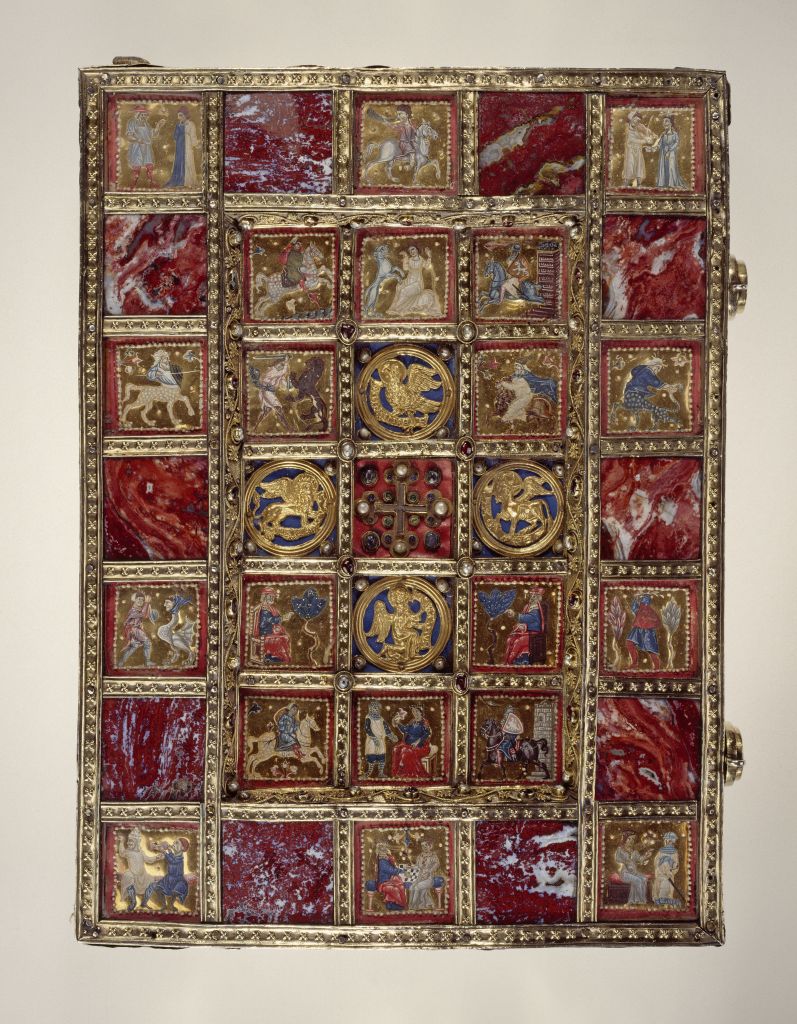
Attorneys filed the suit in the US in February 2015 against the Federal Republic of Germany and the Prussian Cultural Heritage Foundation, one year after the Limbach Commission, the German advisory board for Holocaust-related claims, rejected the plaintiffs’ contention that the 1935 sale had been forced.
In its ruling last week, the court rejected the German defendants’ contention that the Limbach Commission recommendation bars later litigation in a US court. It also agreed with the plaintiffs that the sale may be considered a taking of property in violation of international law.
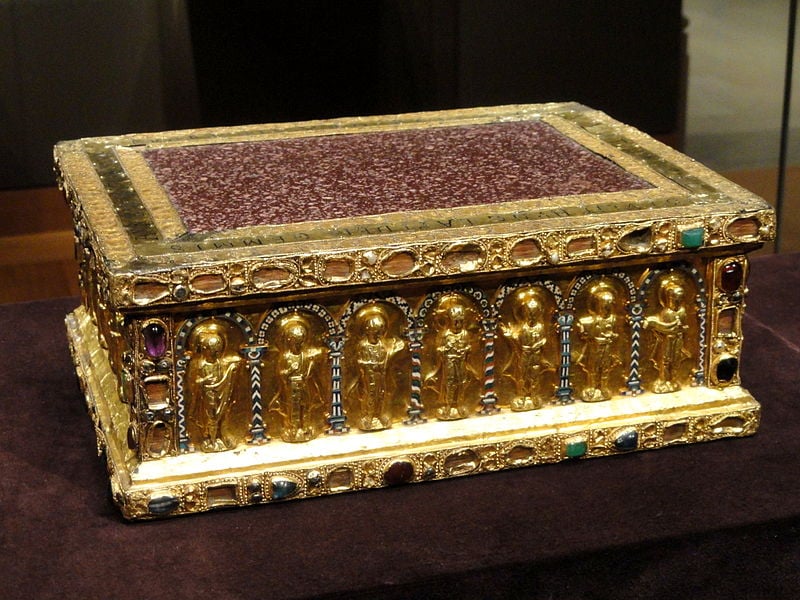
Reacting to the ruling, Hermann Parzinger, head of the Prussian Cultural Heritage Foundation, said in a statement on March 31 that he did not believe the case belongs in a US court. He said the foundation would “look at the decision carefully and consider further steps.”
He also emphasized that the foundation does not believe evidence shows that the sale was forced.









The Times of Israel Community.