

Millions of Muslims to begin Ramadan fast Monday
Religious authorities across Gulf, Levant and North Africa say fast to begin while other areas await sighting of crescent moon
 Add ToI as a Preferred Source on Google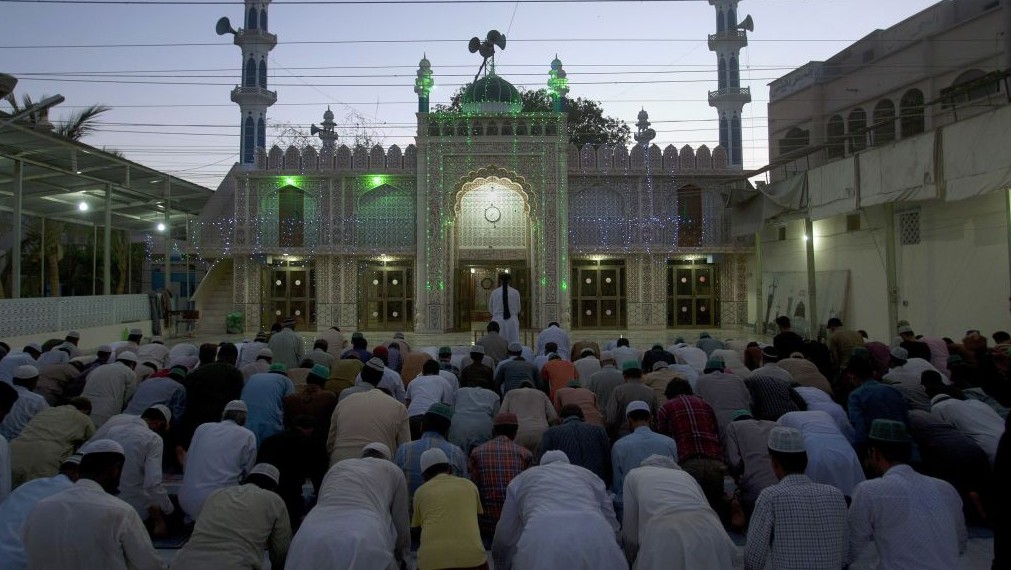
DUBAI, United Arab Emirates — Millions of Muslims around the world will mark the start of the holy month of Ramadan on Monday, a time marked by intense prayer, dawn-to-dusk fasting and nightly feasts.
Saudi Arabia’s state TV announced the new moon of Ramadan was spotted Sunday evening. Local media in Indonesia, the world’s most populous Muslim country, also said Muslims there would begin fasting Monday, as will Muslims in Singapore, Yemen, Lebanon, Syria, Qatar, Kuwait, Jordan, Egypt, the United Arab Emirates, Afghanistan and the Palestinian territories, among others.
Following these announcements, a mosque in Tampa, Florida announced to its followers that they too would celebrate the first day’s fasting Monday.
Muslims follow a lunar calendar and a moon-sighting methodology that can lead to different countries declaring the start of Ramadan a day or two apart. By Sunday evening, Pakistan and Iran had yet to officially announce Monday as the first day of Ramadan. Traditionally, countries announce if their moon-sighting council spots the Ramadan crescent the evening before fasting begins.
The faithful spend the month of Ramadan in mosques for evening prayers known as “taraweeh,” while free time during the day is often spent reading the Quran and listening to religious lectures.
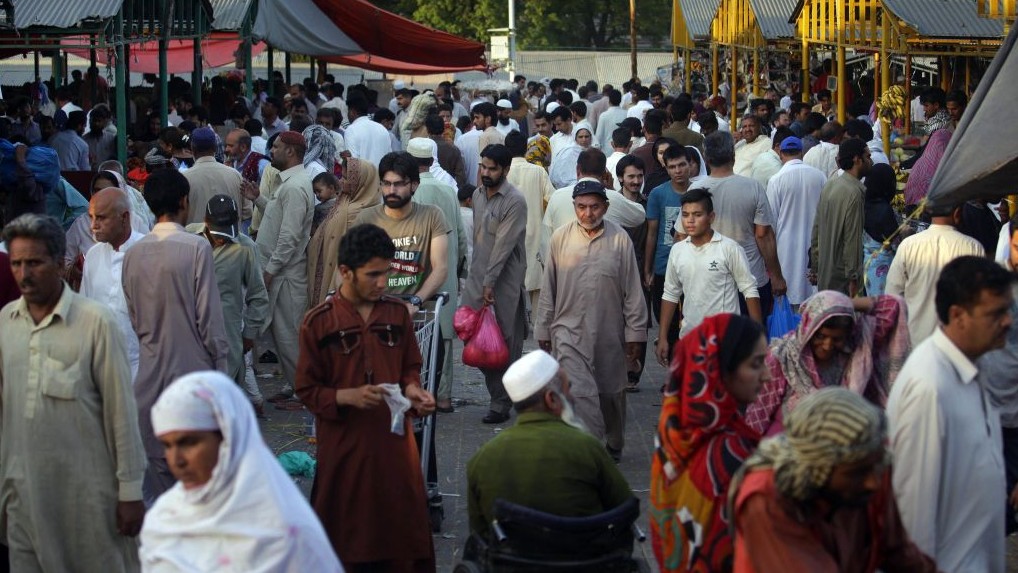
Each day for the month of Ramadan, Muslims abstain from eating and drinking from sunrise to sunset. Even a sip of water, coffee or a cigarette can invalidate one’s fast. There are exceptions to fasting for children, the elderly, the sick, women who are pregnant, nursing or menstruating, and people travelling.
Many break their fast as the Prophet Muhammad did around 1,400 years ago, with a sip of water and some dates at sunset followed by prayer. It is common for Muslims to break their fast with family and friends and charities organize free meals for the public at mosques and other public spaces.
The fast is intended to bring the faithful closer to God and to remind them of the suffering of those less fortunate.
Fasting during Ramadan is one of the five pillars of Islam, along with the Muslim declaration of faith, daily prayer, charity and performing the hajj pilgrimage in Mecca. Non-Muslims or adult Muslims not observing the fast who eat in public during the day in Ramadan can be fined or even jailed in some Middle Eastern countries, such as Saudi Arabia and the United Arab Emirates, which is home to large Western expatriate populations in Dubai and Abu Dhabi.
Muslims celebrate the end of Ramadan with a three-day holiday called Eid al-Fitr.







The Times of Israel Community.