

Obama out, PM pushes ahead with outpost legalization bill
Netanyahu confirms proposal off ice after change in White House; lawmakers looking at restoring clause that would prevent February 8 evacuation of Amona
 Add ToI as a Preferred Source on Google
Raoul Wootliff is a former Times of Israel political correspondent and Daily Briefing podcast producer.

Prime Minister Benjamin Netanyahu confirmed Sunday that a controversial bill to legalize some 4,000 housing units in the West Bank built on privately owned Palestinian land will be brought back to the Knesset this week.
Requiring only final committee and plenary votes, the so-called Regulation Bill was put on ice in December until Barack Obama finished his term as US president.
Now, with a new administration in the White House, the prime minister is not just moving ahead with the bill but also exploring restoring a contentious clause that could prevent the court-ordered evacuation of the Amona outpost, The Times of Israel has learned.
Speaking at the weekly cabinet meeting at the Prime Minster’s Office, Netanyahu said the legislation would be brought to the Knesset on Monday.
“The law is intended to resolve settlement in Judea and Samaria once and for all and to prevent the repeated attempts to damage the settlement project,” he said.
The proposed Regulation Bill stipulates that settlement construction in the West Bank that had been carried out in good faith, without knowledge that the land was privately owned, would be recognized by the government, provided the settlers show some kind of state support in establishing themselves at the site — which in some cases could be as minimal as having access to public infrastructure.
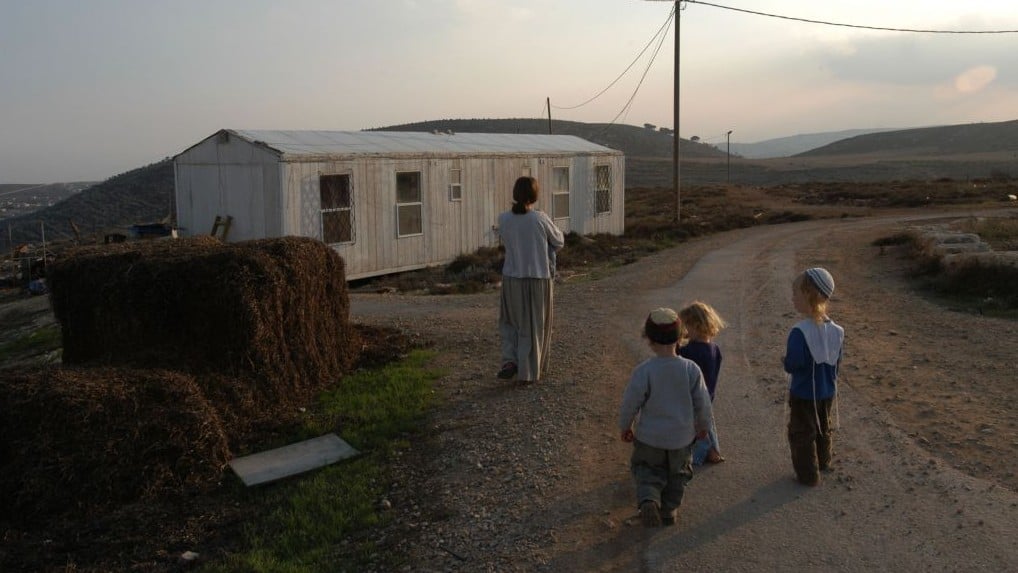
Under the bill, the government will be able to appropriate land for its own use if the owners are not known. If the owners are known, they will be eligible for either yearly damages amounting to 125 percent of the value of leasing the land, a larger financial package valued at 20 years’ worth of leasing the plots, or alternate plots.
Netanyahu reportedly instructed coalition chairman David Bitan (Likud) on Saturday to bring the proposed legislation to its second and third readings in the plenum this week.
A spokesperson for Bitan told The Times of Israel that both the committee meeting to authorize the final text of the bill and the plenary votes to pass it into law are likely to take place on Monday.

But in a move that could spell complications for the bill, the prime minister has instructed his chief of staff Yoav Horowitz to explore the possibility of including a clause in the bill that would prevent the February 8 evacuation of Amona, according to coalition sources.
First proposed by the Jewish Home party, the original proposal was intended to overturn a High Court of Justice verdict forbidding the expropriation of the privately owned Palestinian land on which Amona sits. The clause that would have circumvented that court ruling, however, was removed from the bill following intense opposition by the centrist Kulanu party.
Both the Kulanu and Jewish Home parties declined to comment Monday on the possibility of new negotiations to include Amona.
In a deal struck last month with the government, the outpost residents agreed to move peacefully to an adjacent plot. But the deal was complicated after a Palestinian claimed ownership of the nearby plot, prompting the High Court to stop all work on the site.
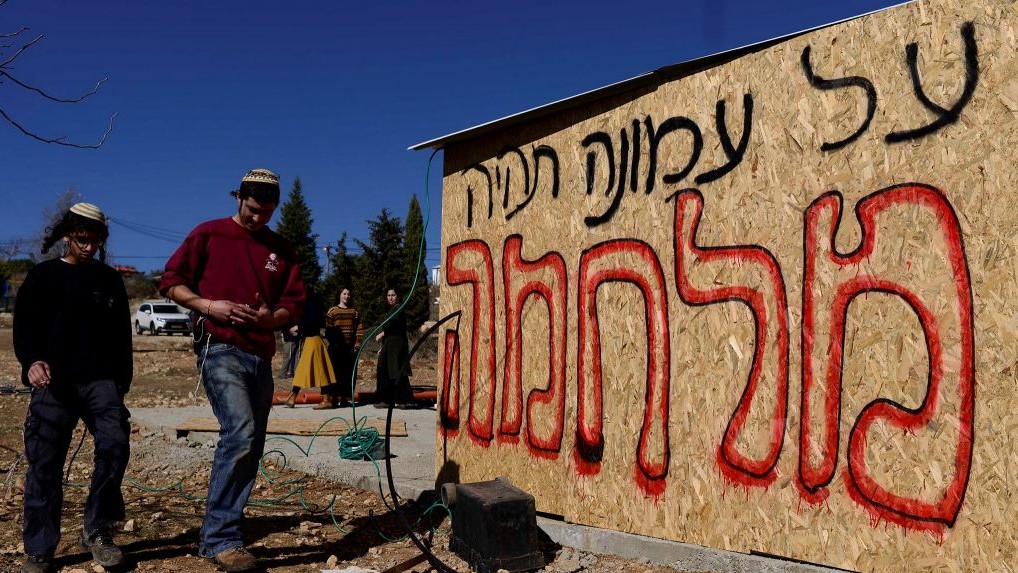
The lack of a clear solution has once again raised the possibility of a forced evacuation of the Amona settlers and fears that violence could result. The residents of Amona last week renewed their protest against the government and vowed to resist the evacuation after the compromise appeared to fall through.
Even without the Amona clause, Attorney General Avichai Mandelblit has warned that the Regulation Bill breaches both local and international law, and indicated that the High Court was likely to strike it down. Some officials, including Netanyahu himself, have also warned that the law could see Israeli officials brought before the International Criminal Court in The Hague.
Times of Israel staff contributed to this report.










The Times of Israel Community.