

Qabatiya finds itself back on the terror map
After two months of quiet, 3 more youths from the small West Bank town — middle-class, lifelong friends, without ties to Islamist extremists — set out to kill Israelis

 Add ToI as a Preferred Source on Google
Avi Issacharoff, The Times of Israel's Middle East analyst, fills the same role for Walla, the leading portal in Israel. He is also a guest commentator on many different radio shows and current affairs programs on television. Until 2012, he was a reporter and commentator on Arab affairs for the Haaretz newspaper. He also lectures on modern Palestinian history at Tel Aviv University, and is currently writing a script for an action-drama series for the Israeli satellite Television "YES." Born in Jerusalem, he graduated cum laude from Ben Gurion University with a B.A. in Middle Eastern studies and then earned his M.A. from Tel Aviv University on the same subject, also cum laude. A fluent Arabic speaker, Avi was the Middle East Affairs correspondent for Israeli Public Radio covering the Israeli-Palestinian conflict, the war in Iraq and the Arab countries between the years 2003-2006. Avi directed and edited short documentary films on Israeli television programs dealing with the Middle East. In 2002 he won the "best reporter" award for the "Israel Radio” for his coverage of the second intifada. In 2004, together with Amos Harel, he wrote "The Seventh War - How we won and why we lost the war with the Palestinians." A year later the book won an award from the Institute for Strategic Studies for containing the best research on security affairs in Israel. In 2008, Issacharoff and Harel published their second book, entitled "34 Days - The Story of the Second Lebanon War," which won the same prize.
Qabatiya is back in the headlines again. After two months of quiet, the city near Jenin is back at the heart of the terror map, just like in the days of the first and second intifadas.
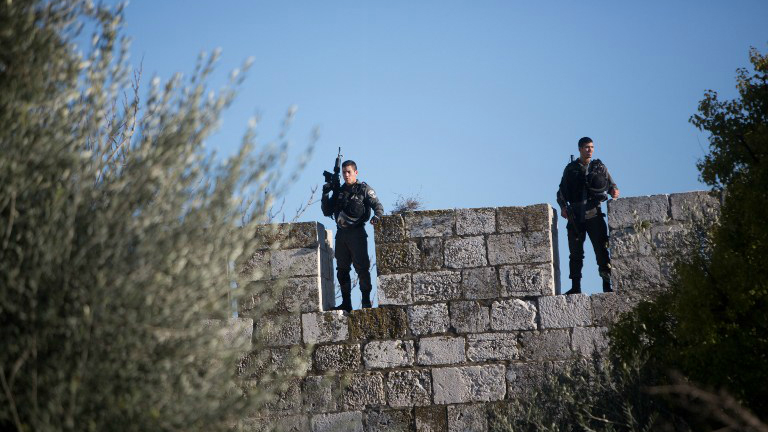
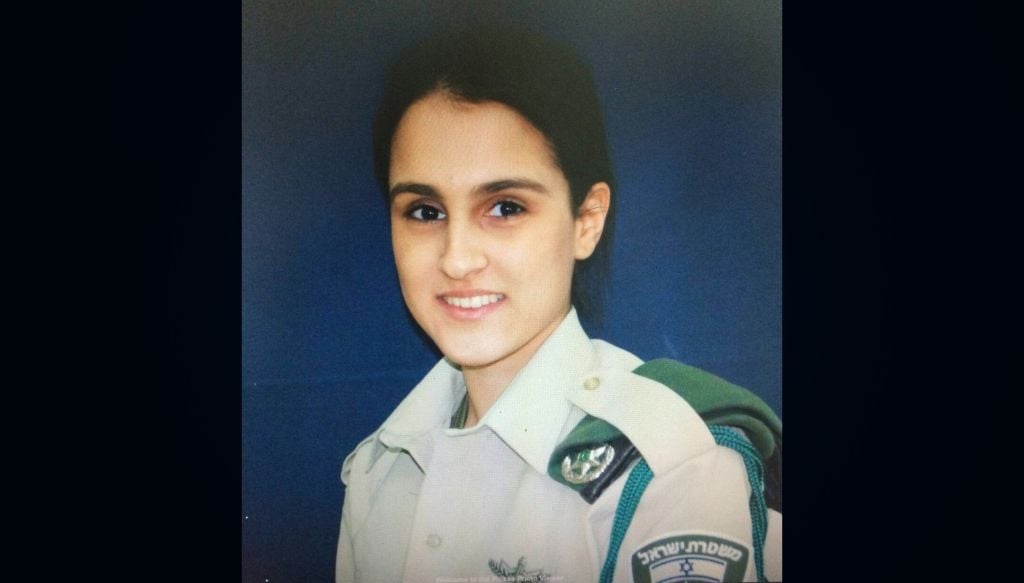
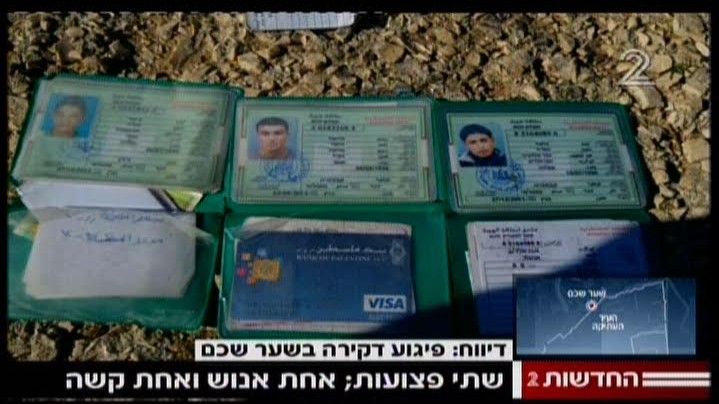
The three terrorists — Ahmad Zakarna, Muhammad Kamil, and Ahmad Abu Al-Roub, aged 20-21 — who were shot dead Wednesday after they opened fire and stabbed police officers outside the Damascus Gate in the Old City of Jerusalem, killing 19-year-old Hadar Cohen, were childhood friends who grew up together in the city. They all belonged to clans well known for their support for Fatah.
According to Palestinian sources in Qabatiya, a fourth friend, another member of the Kamil family, was killed in recent months by IDF fire.
In the early months of the ‘lone-wolf’ intifada, which began in September, six other youths who studied in their school left Qabatiya in order to carry out an attack at the Jalameh crossing in the northern West Bank on November 2.
One of them, Muhammad Zakarna, who worked as a salesman near the checkpoint, was filmed running with a knife towards Israeli security forces there.
Under pressure from Israel, including measures such as the closing of the crossing and a bar on entry to Israel for Palestinians from Jenin, the PA has begun to take measures in order to prevent attacks on Jalameh. It stationed Palestinian police forces on the PA side of the crossing and took steps within Qabatiya itself, among the youth and inside the very school from which so many attackers have hailed. And, indeed, the rash of attacks stopped — until Wednesday.
Wednesday’s trio left Qabatiya at the northern tip of the West Bank, made the long journey to Jerusalem, managing to get hold of guns and explosives along the way, and were able to get to the entrance to the Old City with enough firepower to carry out a far deadlier attack than the one that actually took place.
Qabatiya is one of a handful of Palestinian population centers from which terrorists have emerged in the current intifada, a list that includes the village of Samua near Hebron, and the Shuafat and Qalandiya refugee camps around Jerusalem. When it comes to these places, it is becoming painfully clear that any conceivable end to the violence is nowhere in sight.
It is true that the popular dimension of this uprising has all but disappeared, but shooting attacks are on the rise. Only this week, 34-year-old PA security officer Ahmad Sukari, a father, opened fire on three IDF soldiers at a checkpoint at the northern entrance to Ramallah.
Sukari and Wednesday’s three terrorists do not hail from the ranks of Islamic extremists or from the margins of Palestinian society. These are middle-class Palestinians and members of well-established clans — who are venturing out to their attacks, far more serious ones than we saw four months ago, with deadlier weapons.
And all the while, amid the shootings and stabbings and car-rammings (lest we forget, a car-ramming attack was prevented just this past Sunday), Hamas has worked relentlessly to carry out still more serious attacks, such as suicide bombings and mass shootings. The vast majority of these attacks have been thwarted thus far, but it is safe to assume that just as Wednesday’s trio arrived at the site of their planned attack and even managed to open fire and stab with fateful consequence, Hamas and others will eventually succeed in carrying their plans to fruition.
And what is Israel doing in the meantime? It is mainly concerning itself with curbing the violence and preventing an escalation of violence. But can prevention alone, without more significant action, including on the diplomatic front, really stave off that broader deterioration?








The Times of Israel Community.