

Senate set to vote on 10-year extension of Iran sanctions
Obama is expected to sign law even as he’s argued it is unnecessary; Tehran has warned of ‘definite’ response if punitive measures renewed
 Add ToI as a Preferred Source on Google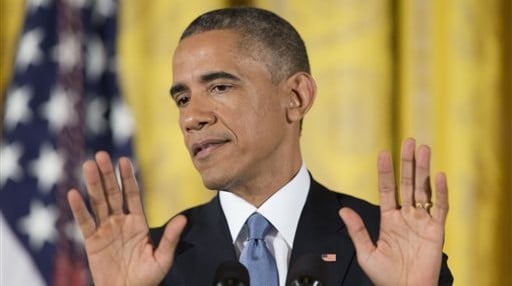
WASHINGTON — The Senate is moving ahead on legislation that would renew a decades-old law that allows the United States to slap companies with economic sanctions for doing business with Iran.
A vote is scheduled Thursday on a 10-year extension of the Iran Sanctions Act. The bill’s backers say extending the law allows the US to punish Tehran should the country fail to live up to the terms of the landmark nuclear deal.
Iran’s Supreme Leader Ayatollah Ali Khamenei has warned that any renewal of the sanctions would violate the nuclear agreement and would be met with a “definite” response from Tehran.
“If these sanctions are extended, it will surely constitute a violation of the [nuclear deal] and they [the US] should know that the Islamic Republic will definitely react to it,” he said on Wednesday without elaborating.
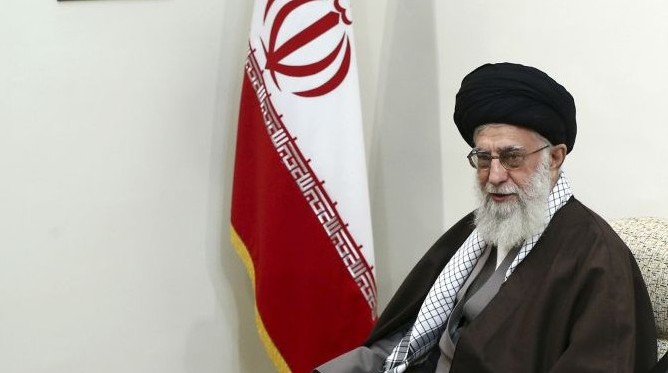
Khamenei, who supported the 2015 deal, accused the US of “various violations” of the landmark agreement deal that required Iran to pull back from the brink of nuclear weapons capacity in exchange for an end to many of the US and European sanctions that crippled its economy.
If the Senate approves the House-passed bill, it will be sent to President Barack Obama, and he is expected to sign it into law. The House last month voted overwhelmingly, 419-1, to approve the extension. The act, first passed by Congress in 1996 and renewed several times since then, expires at the end of the year.
The White House had previously laid out a litmus test for the renewal, saying Obama wouldn’t sign it if it would undermine the nuclear accord. In exchange for Tehran rolling back its nuclear program, the US and other world powers agreed to suspend wide-ranging oil and trade sanctions that had choked the Iranian economy.
But a senior Obama administration official said the sanctions renewal bill heading toward passage doesn’t violate the terms of the nuclear deal, which clears the way for Obama to sign it should the Senate pass it. Still, the Obama administration considers the renewal unnecessary given the president’s other authorities to sanction Iran, said the official, who wasn’t authorized to comment publicly and spoke on condition of anonymity.
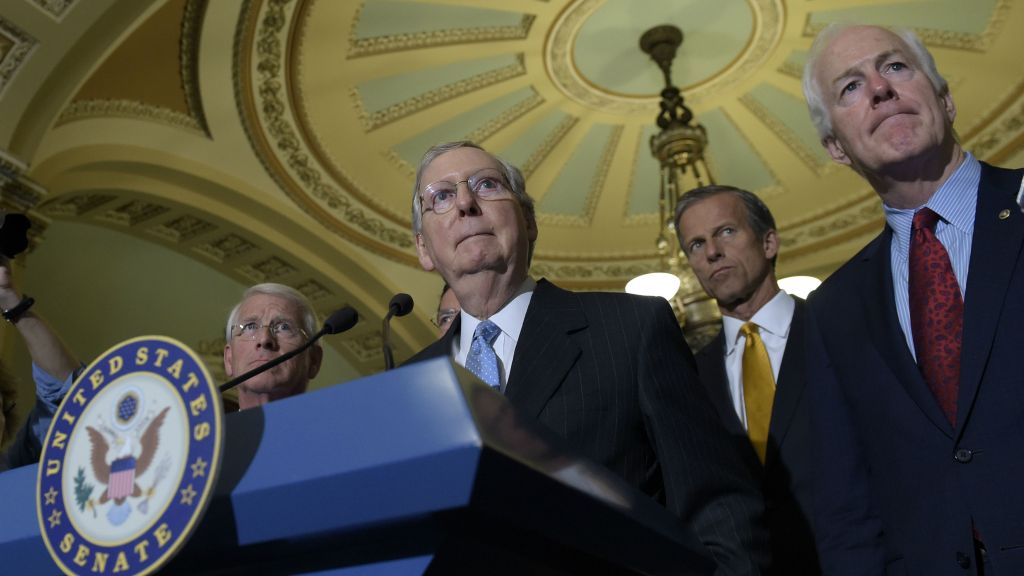
But congressional Republicans and Democrats view the law as valuable leverage. Senate Majority Leader Mitch McConnell said Thursday that preserving the sanctions is critical to blunt Iran’s “persistent efforts to expand its sphere of influence” throughout the Middle East. He also criticized the administration for allowing itself to be “held hostage” by Iran’s threats to withdraw from the nuclear agreement.
President-elect Donald Trump has publicly threatened to re-negotiate and increase enforcement of the nuclear deal, sending jitters across Iran.
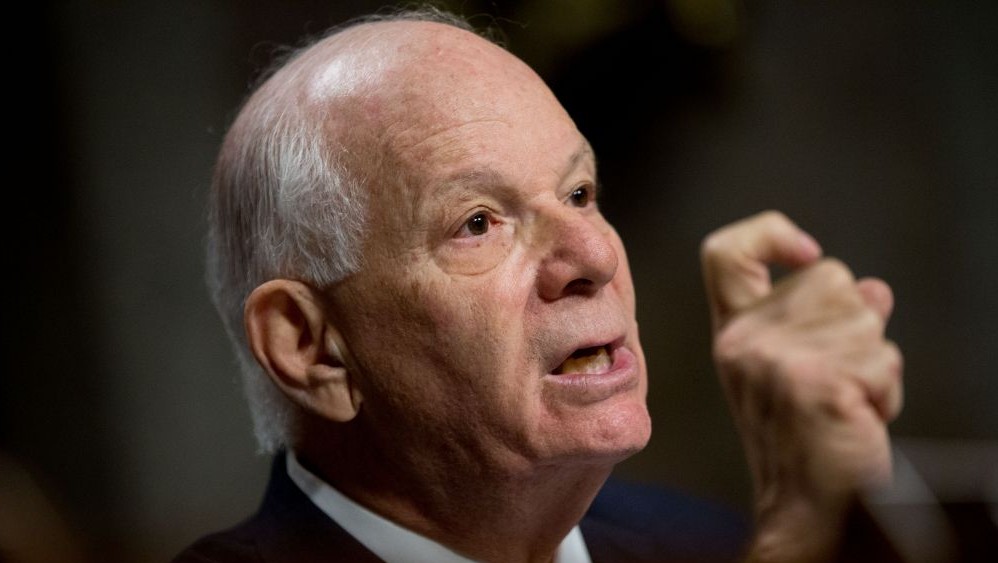
Sen. Ben Cardin of Maryland, the senior Democrat on the Senate Foreign Relations Committee, has said renewing the law is necessary if the US wants to retain “a credible deterrent” of snapping sanctions back into place should Iran cheat on its obligations under the nuclear deal.
Congress approved the Iran Sanctions Act 20 years ago to block major foreign investment in Iran’s energy sector. The goal was to deny Tehran the ability to financially support terrorism and build nuclear and ballistic missile capabilities.
On Tuesday, the Obama administration green-lighted the sale of more than 100 Airbus planes to Iran, the latest US license granted permission to conduct commercial activity with the Islamic Republic following the nuclear deal.
Airbus needs Treasury Department approval for the sale because at least 10 percent of the plane’s components are American-made. Hoping to replace its aging fleet of 1970s aircraft, Iran has agreed to purchase tens of billions of dollars’ worth of planes from Airbus and its American competitor, Boeing.
The proposed sale may involve the purchase and leasing of more than 200 aircraft, which could generate thousands of new jobs, according to Democrats who opposed the legislation. Republicans, however, decried the sale of aircraft to a country they say is the leading state sponsor of terrorism and has flouted United Nations resolutions by testing ballistic missiles.
The Treasury has defended the sale, saying the licenses granted to Boeing and Airbus contained “strict conditions to ensure the planes will be used exclusively for commercial passenger use and cannot be resold or transferred to a designated entity.”









The Times of Israel Community.