

18 Jewish therapists co-wrote a book on the trauma of displacement. Then came Oct. 7
In ‘Sitting on a Suitcase: Psychoanalytic Stories,’ diverse clinicians discuss treating patients while juggling their own generational issues and the horror of ongoing war
 Add ToI as a Preferred Source on Google
Reporter at The Times of Israel
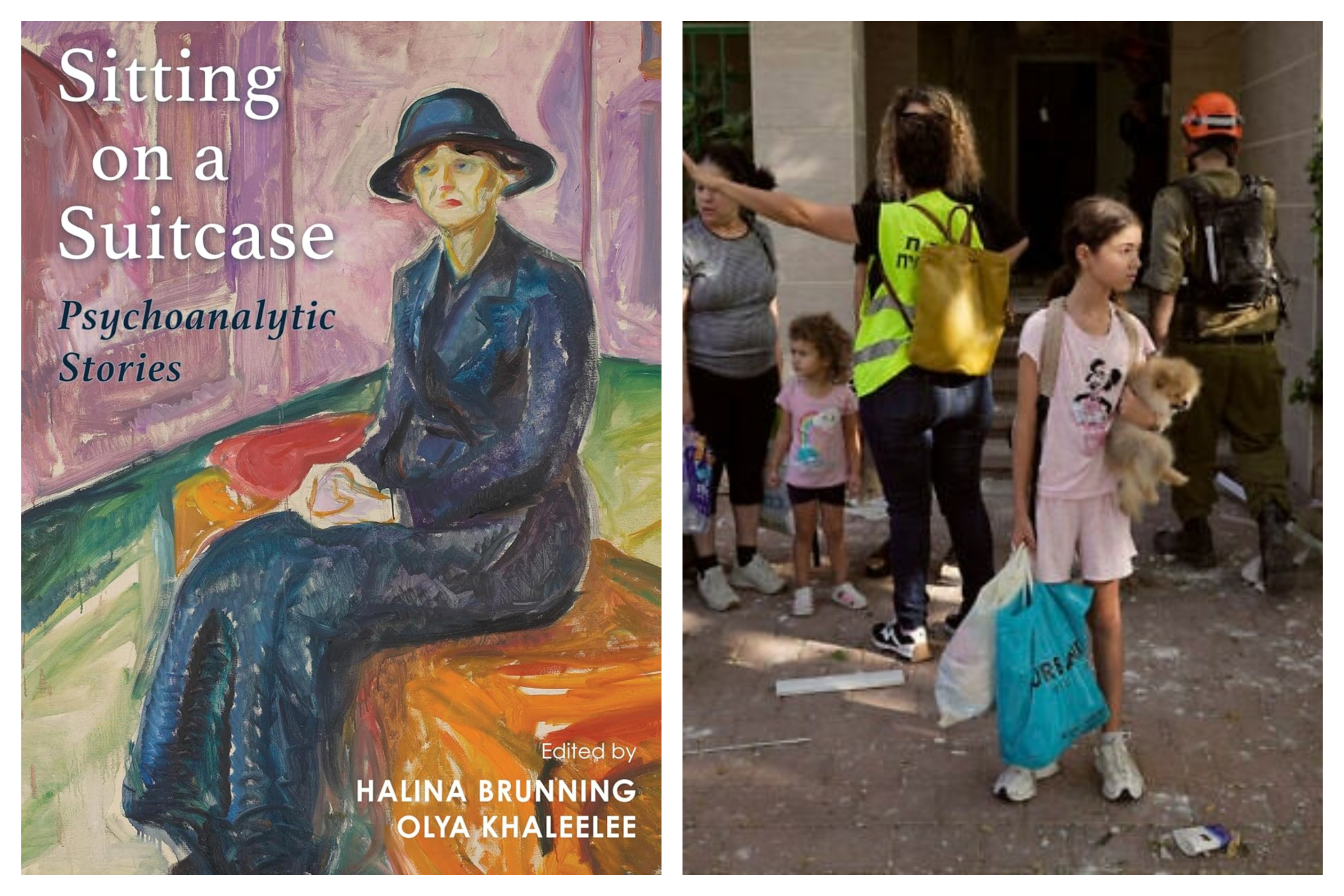
In their daily lives, psychoanalysts help clients process trauma. But what happens when that trauma is personal to the practitioner — or when it’s related to ongoing deadly conflicts?
These are not abstract questions. They are issues that are directly addressed in real-time by the 18 contributors, all Jewish clinicians, in a new anthology, “Sitting on a Suitcase: Psychoanalytic Stories,” recently published by Karnac.
It was intended as a volume in which each contributor responds to the question: How do you think your personal development and professional choices have been influenced by your connection to Judaism? It gives his or her take on the title theme, which mentions Jews as a people perpetually ready to emigrate, often due to antisemitism.
Many contributors were getting ready to send in their chapters when the Hamas terror group led a full-scale invasion of southern Israel on October 7, 2023, resulting in some 1,200 people slaughtered and 251 kidnapped to the Gaza Strip.
Amid the shock and upheaval, as well as the devastating war Israel declared in response against Hamas in Gaza, contributors were compelled to revise their chapters. Mere months after publication, contributors in Israel packed their suitcases to relocate within the country, as missiles rained down from an additional conflict with Iran.
“In the last five days, I have been living out of a suitcase,” contributor Leila Djemal told The Times of Israel in a Zoom conversation during the 12-day war. “In three different cities, from shelter to shelter … Somebody else might not have done that, might have stayed put. I didn’t.”
“It’s terrifying,” said Djemal, an organizational consultant and executive coach normally based in Tel Aviv.
Fellow contributor Mira Erlich-Ginor, a Tel Aviv-based training and supervising analyst at the Israel Psychoanalytic Society, also had her life upended by the war with Iran, which saw over 550 missiles and roughly 1,000 drones launched at Israel, killing 29 people and wounding thousands. The war began with Israel’s preemptive strikes on nuclear and military sites in Iran, which had vowed to destroy the Jewish state.
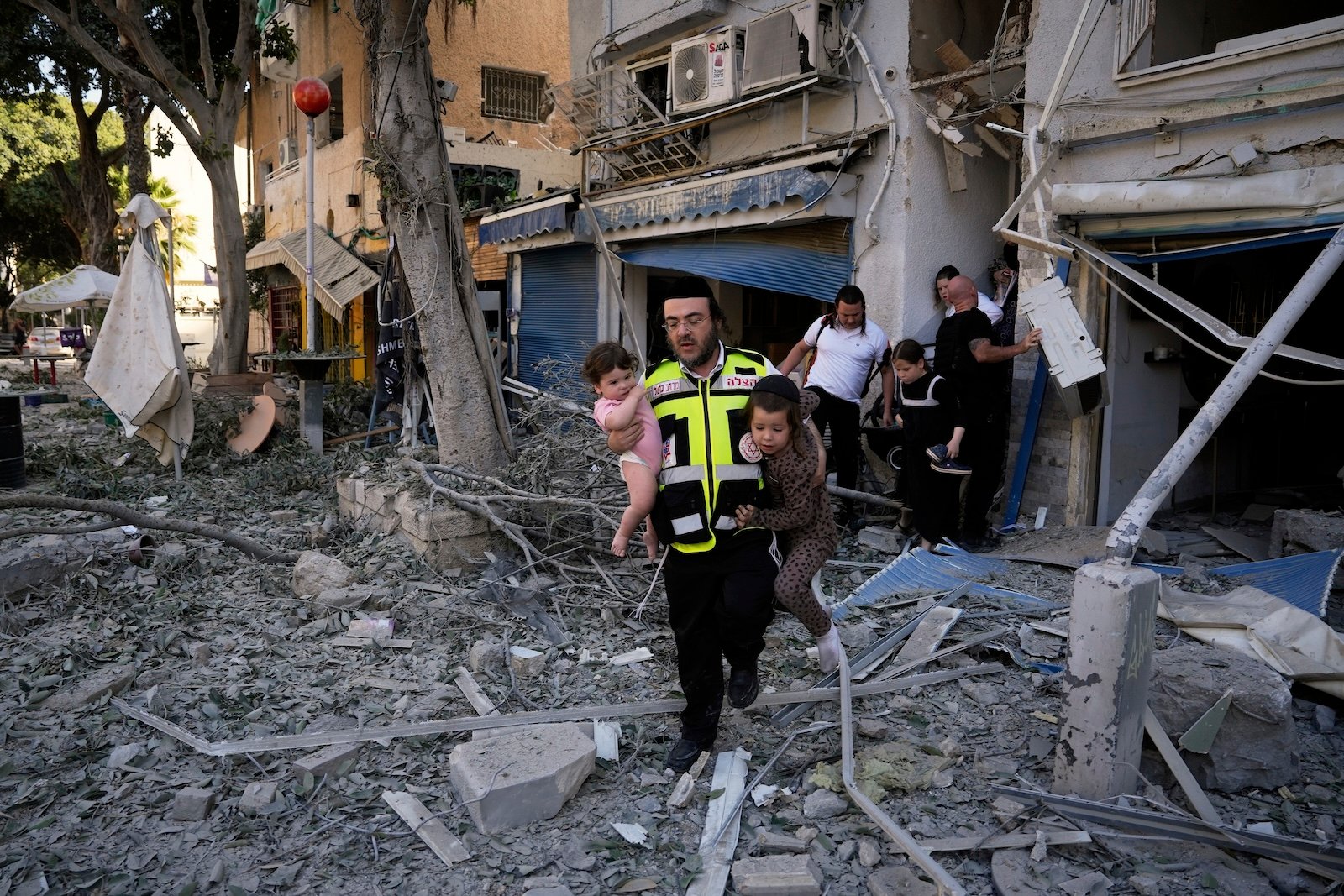
“My world is shattered,” Erlich-Ginor said during the conflict. “It is difficult to concentrate on things that are not concrete.” Yet, she described herself also as “feeling … privileged in the sense we have the best shelter possible,” an option that she said was unavailable for half of the Israelis: “To have this privilege is a mixed feeling.”
Historically, Erlich-Ginor’s family narrative is characterized by emigration and loss. Her parents each left Europe for British Mandate Palestine before World War II, but her mother’s family could not escape. She herself was born in British Mandate Palestine and, after Israeli independence, was educated in the new nation’s secular school system. When she got an invitation to contribute a chapter, the theme riveted her.
“The title, ‘Sitting on a Suitcase,’ had such suggestive power,” she said. “It immediately rang a bell. For everybody, it rang a different bell. It hits on an open nerve. And immediately, the stories flew.”
“The subtitle — ‘Psychoanalytic Stories,’ immediately brings you to the past,” Erlich-Ginor said. “Also, I think, it reflects the vision of the book and instructions we got as contributors, how the past informs your life decisions and your professional decisions.”
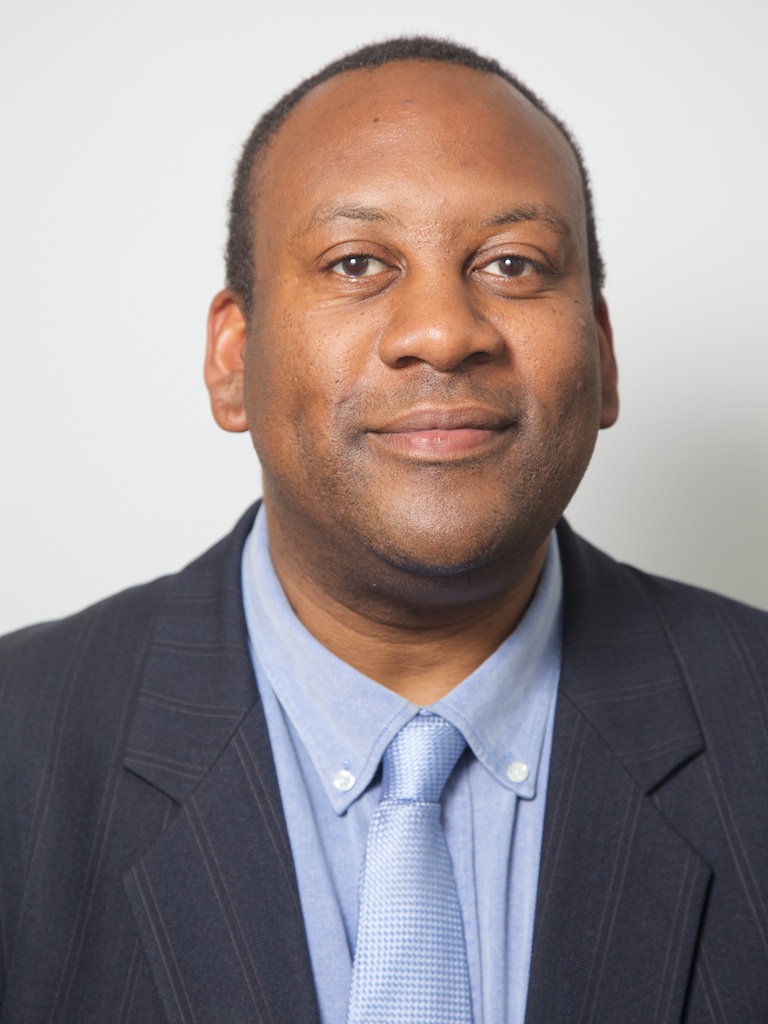
The cover features a painting by the celebrated early-20th-century Norwegian artist Edvard Munch, “Seated on a Suitcase.” The contributors reflect the diversity and complexity of the global Jewish community. (They are shown in cute photos from childhood early in the book.) Contributors include Leslie Brissett, a Black Jew from the UK who also has a home in Arkansas. His mother was outwardly Methodist yet practiced Friday night customs that in retrospect seemed a lot like Shabbat.
“At home, Friday was a very, very important night,” said Brissett, who is the board secretary of the International Psychoanalytical Association. “We all had to be home with the curtains drawn, and we ate together.”
Djemal and anthology co-editor Olya Khaleelee have Middle Eastern heritage dating back generations. Djemal’s family roots are in Syria, while Khaleelee’s father’s family has Persian roots, but their respective chapters describe complex and far-flung family journeys beyond Aleppo and Tehran. Another contributor, Alicia Kaufmann was born in Argentina and relocated to Spain, where she now lives and works as a sociologist.
Erlich-Ginor described herself as the lone contributor who was born in Israel and has never lived outside the country, save for travel. She titled her chapter, “I Have No Other Country,” a nod to Ehud Manor’s song protesting the First Lebanon War. The chapter addressed Prime Minister Benjamin Netanyahu’s controversial judicial reform, which aroused nationwide protests before October 7.
“At the time, I felt that if my country changed into an autocratic state, a dictatorship of a sort, I would take my suitcase down [and leave],” she said. “Then came October 7 … My country is in danger. I would not even dream of leaving it.”
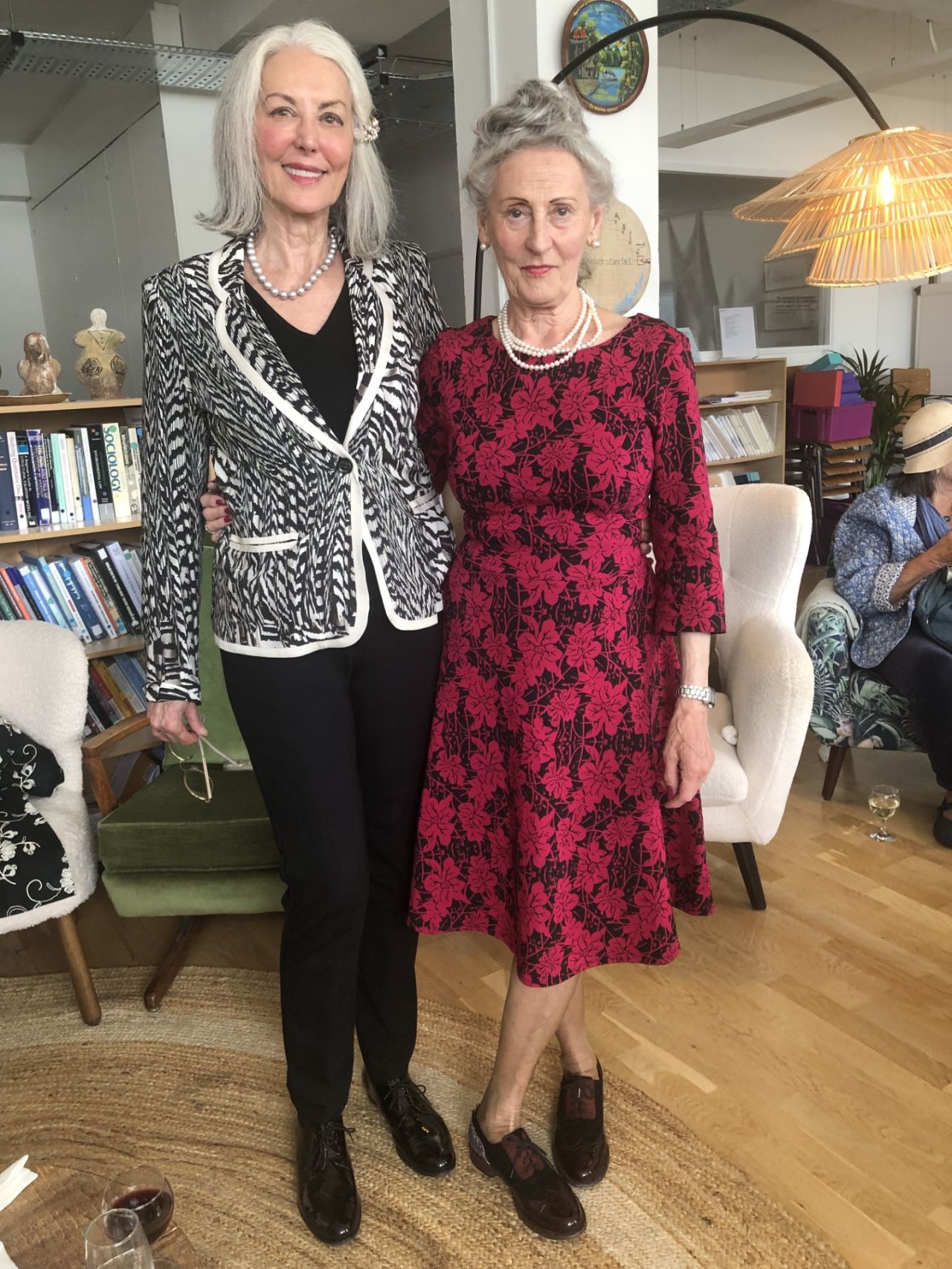
Khaleelee, who co-edited the anthology with clinical psychologist, organizational consultant, and executive coach Halina Brunning, is based in the UK but travels to Israel to visit loved ones and attend conferences, one of which was postponed due to the conflict. She told The Times of Israel, “There are key themes in all of the stories: You can bring about some kind of reparation through working with ‘the other.’ All of this is in our work — doing something to help others.”
After October 7, anthology contributor Djemal used her personal background to help others: She grew up in Thailand and learned its language because her father was stranded there during World War II. Thai agricultural laborers in Israel were among the victims of October 7, and Djemal tried to help them process the resulting trauma.
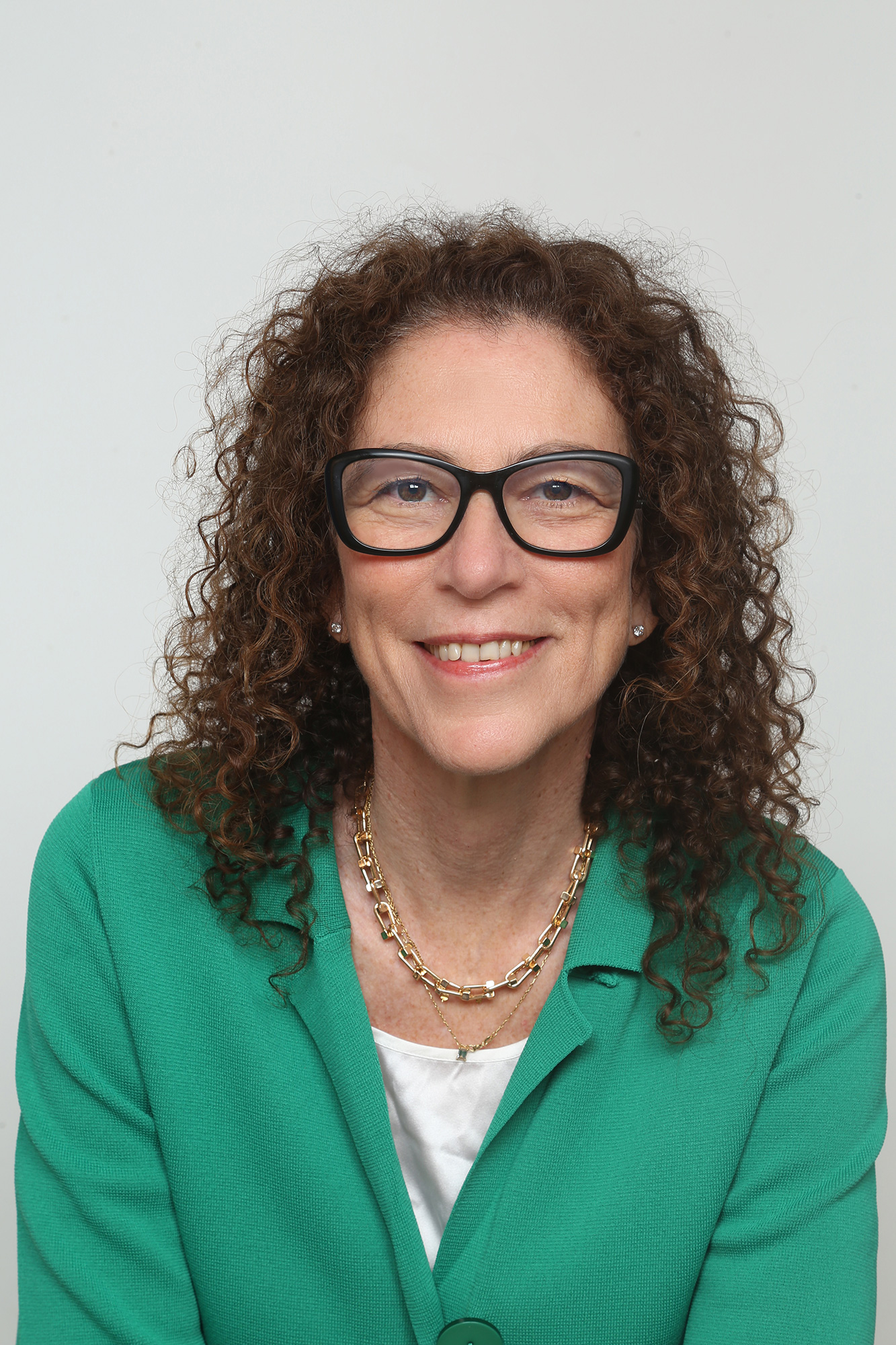
“They could not speak the [Hebrew] language,” Djemal said. “I responded to a call, wanting to help them. Actually, I could speak to them — a lot of them, over many, many weeks.”
As contributors to the anthology made revisions incorporating their thoughts on the post-October 7 landscape, the co-editors looked to bring in perspectives from non-Jews: two German writers, Claudia Nagel and Dorothee von Tippelskirch-Eissen, penned the introduction and conclusion, and the former archbishop of Canterbury, Rowan Williams, wrote the preface.
Although the post-October 7 landscape has been marked by heated rhetoric, several contributors to the anthology sought to defuse tensions: they decried the demonization of Palestinians during the Gaza war.
Contributors expressed a hope that the anthology’s chapters dealing with emigration and its generational impact might be helpful to a wider base of readership.
Djemal said that while “Sitting on a Suitcase” is focused on “the Jewish experiences, so much of this is universal as well, and has a much broader appeal.”
“What’s going on in the world now — migrations, refugees, movement, trauma, war – is in all sorts of countries … It’s something quite powerful,” she said. “Because of the breadth of the stories and contributors [to the book] … there are so many different perspectives. It really offers something that can be relatable to lots of people.”





The Times of Israel Community.