

Attorney general scolds government for threats to flout High Court rulings
At retirement ceremony for Supreme Court justice Elron, court president Amit chides justice minister for failing to appoint new judges to fill empty spots on the bench
 Add ToI as a Preferred Source on Google
Jeremy Sharon is The Times of Israel’s legal affairs and settlements reporter
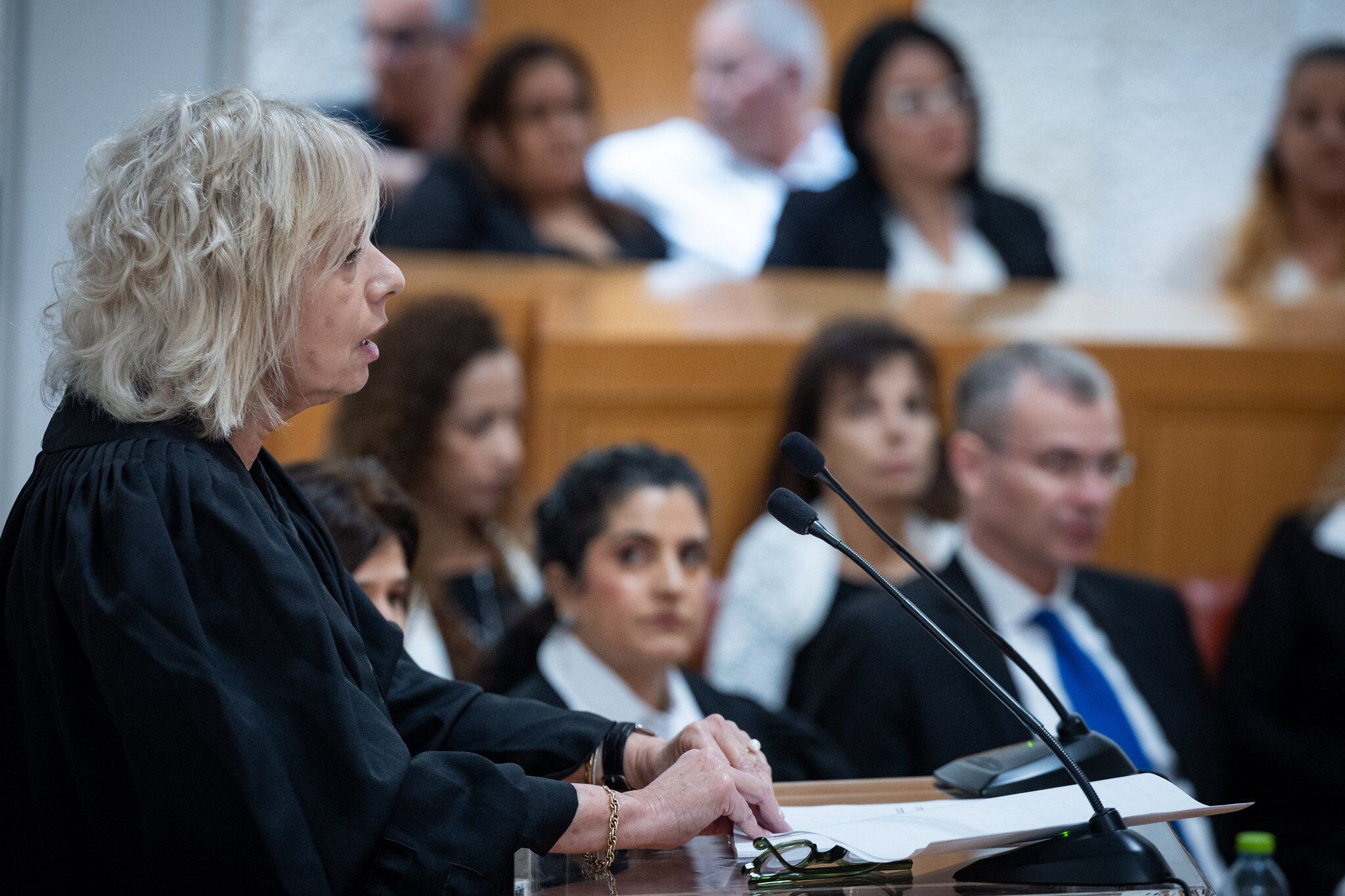
Attorney General Gali Baharav-Miara reprimanded the government and senior cabinet ministers Thursday for threatening not to abide by court rulings.
At a retirement ceremony for Supreme Court Justice Yosef Elron, Baharav-Miara listed a series of what she said were efforts to undermine the independence of the judiciary. The attorney general said that “worst of all are calls by senior officials in the executive branch saying they do not intend to abide by judicial orders.”
Added Baharav-Miara, “A call not to honor judicial court orders is not a call for judicial reform, it is a call to crush democracy. A country without law.”
Justice Minister Yariv Levin has intimated on several occasions that he will not respect High Court rulings in certain cases, in particular regarding petitions asking the court to invalidate the process the government used when it fired Baharav-Miara — a move that was since frozen by the court.
Levin also boycotted a Judicial Selection Committee vote in January appointing Isaac Amit as the new Supreme Court president, after the High Court ordered Levin, as committee chair, to hold a vote he had refused to hold for 16 months. He has refused to recognize Amit’s status as president ever since.
Communications Minister Shlomo Karhi, meanwhile, has openly defied the court’s ruling that the government continue to abide by Baharav-Miara’s instructions pending a final High Court ruling on the now-frozen dismissal.

Elron himself also apparently referenced the issue of abiding by court rulings in his own speech, saying, “Unqualified obedience to the law must be a general norm that binds all citizens and institutions in the country.”
Addressing the ceremony at the Supreme Court in Jerusalem, Amit said that the judiciary was “not the property of any person,” in a slightly veiled reference to Levin and his refusal to appoint new judges to the Supreme Court and curtail its powers through legislation.
Levin has refused to appoint new Supreme Court judges since former court president Esther Hayut retired in October 2023. With Elron’s retirement, only 11 out of the 15 seats on the court bench are currently filled.
“Regrettably, the judges’ bench today is not full,” said Amit.
But the justices would carry out their tasks to the best of their ability, said the Supreme Court president. “This is in the spirit of an understanding that the judiciary is not the property of any person; it operates in the service of the public, and for it alone.”
Levin spearheaded a far-reaching and controversial law passed in March this year that changed the composition of the Judicial Selection Committee and the appointment process for judges, greatly politicizing the process and removing all power over Supreme Court appointments from representatives of the judiciary on the committee.
The law will not come into effect until after the next elections, however, and as a result Levin has refused to convene the Judicial Selection Committee in its current format.
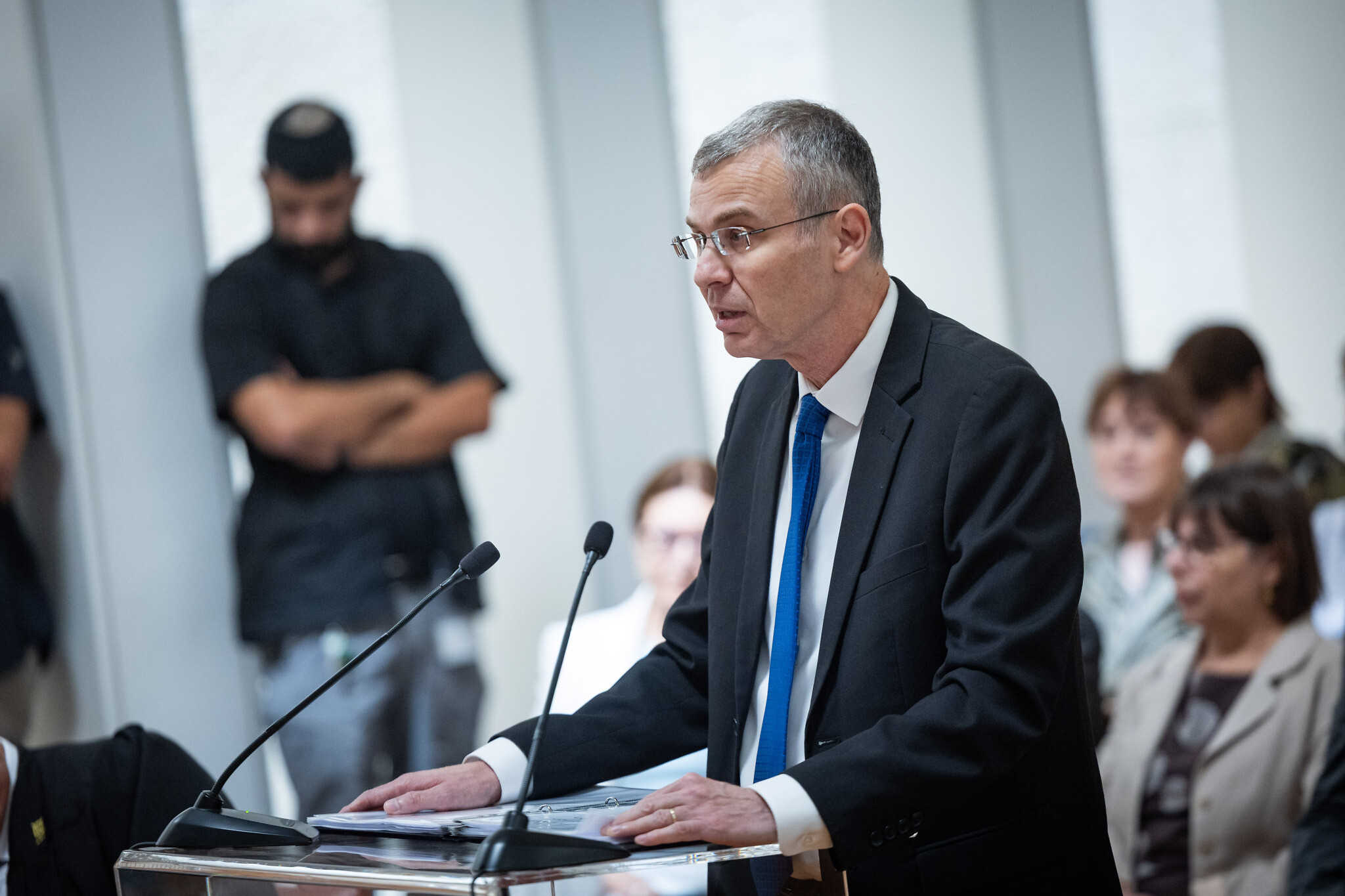
Speaking at the ceremony, Levin himself repeated what he has said was one of his primary motivations in passing the law — a need to “diversify” the judiciary.
One of the justice minister’s central arguments for the law is that the judiciary and the Supreme Court are dominated by liberal, activist judges who do not reflect the will of the general public.
Many court observers believe, however, that the current bench is evenly balanced between liberals and conservatives, and that there was actually a conservative majority before Elron, a staunch conservative, retired.
“Diversifying the [judicial] system and appointing judges with different backgrounds and worldviews is the path to filling the Supreme Court bench, in a way that will increase its professional strength and restore the public’s trust in it,” asserted Levin.
Levin made a point of noting Elron’s background as the child of Iraqi immigrants who grew up in an immigrant absorption camp in Haifa. The justice minister has frequently claimed that the judiciary is dominated by liberal Ashkenazi elites.
He unsuccessfully sought to have Elron installed as Supreme Court president instead of Amit, a move that would have overturned the informal “seniority” system in place since the founding of the state, under which the judge with the most years on the court is the sole candidate for the position.

Elron himself broke from that custom by submitting his candidacy for president despite Amit having seniority.
Amit, Baharav-Miara and Levin all praised Elron in their speeches for his contributions to criminal jurisprudence in Israel, with Amit extolling the judge’s ethical approach in some of the key cases that came before him.
“These rulings [of Elron] and many others like them reflect Judge Elron’s approach, according to which the law is not only a tool for resolving disputes but also a language of values in its own right,” said Amit.
At the end of his speech, Elron lamented the fractured state of Israeli society at present, against the backdrop of the ongoing war in Gaza.
“Unfortunately, we live in a time of division and polarization in Israeli society,” said the outgoing judge. “I hope that the Supreme Court will contribute to heal the rifts in society, with rulings that will bridge the gaps and disputes brought before it.”









The Times of Israel Community.