

Businesses fret ahead of 4-year closure of central Tel Aviv road for light rail work
Store owners fear their livelihoods will evaporate as section of Allenby Street leading to main Carmel Market to close to traffic for construction of public transport system
 Add ToI as a Preferred Source on Google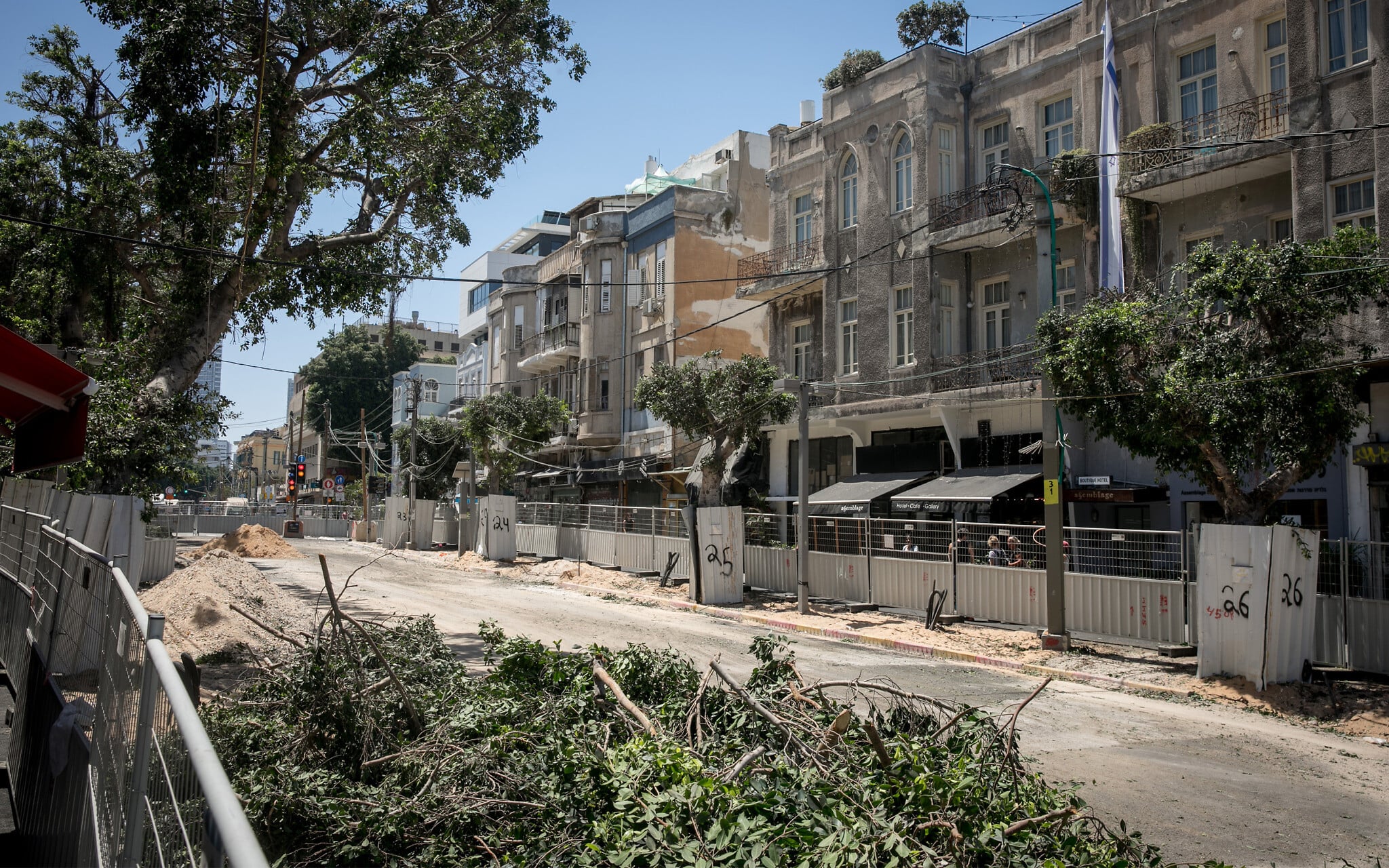
Business owners on Tel Aviv’s central Allenby Street were despondent ahead of the closure of a central part of the thoroughfare on Friday for four years for light rail construction.
The street section will be closed to vehicles for work on the light rail’s Purple Line, part of a massive transportation project to reduce heavy traffic congestion in and around the city.
Allenby Street stretches from the southern part of Tel Aviv to the beach in the central part of the city. It is lined with stores that are often thronged with customers, and buses on the street ferry shoppers to the Carmel Market, a main outdoor shopping area.
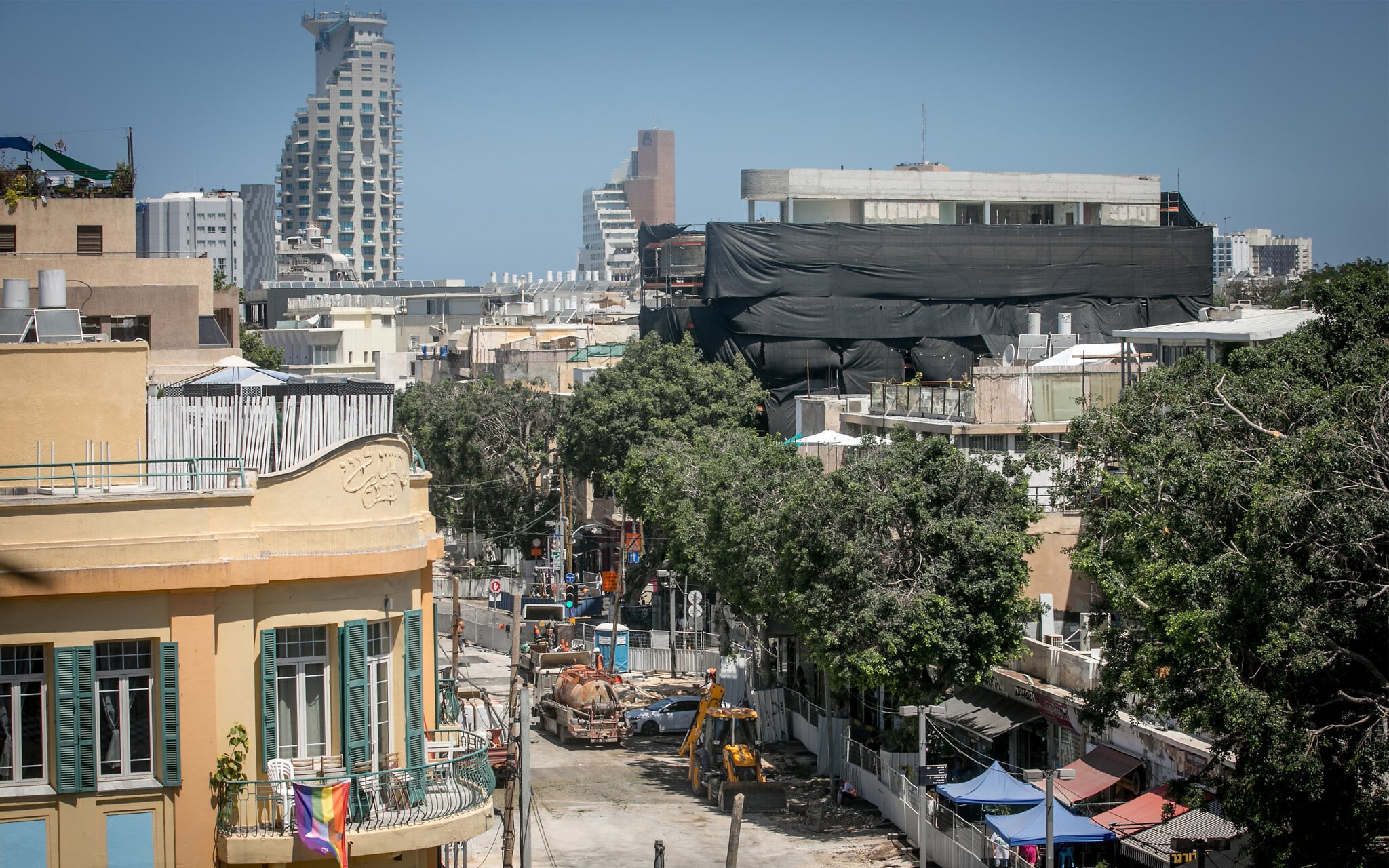
Light rail construction on the street started last year, with sections of the road closing in stages. The latest phase will close the road between the Carmel Market and Montefiore Street, just north of Rothschild Boulevard, covering an area lined with shops, bars and restaurants, and heavily used by pedestrians.
Despite the promise that the light rail will eventually improve circulation in the city, storeowners on the street expressed fear that the four-year construction project threatens their livelihood.
“It’s a death blow for businesses,” Oshri Tzaraf, a worker at a clothing store, told the Ynet news site. “From the moment there will no longer be access by public transportation, people won’t come. I think that 90% of the businesses here will close.”
“No one comes to Allenby in private vehicles, they only come by bus or other public transport,” Tzaraf said, adding that business had plummeted in the past year as some public transportation was diverted from the road. In addition to buses, “service taxi” vans that run on set routes ply the road, including on Shabbat and late at night.
The NTA Metropolitan Mass Transit System, known in Hebrew as Neta, which is building the system, has worked in recent months to improve some of the roads surrounding Allenby Street that will be used as alternate routes during the construction.
Tzaraf called on the government to speed up the construction as much as possible to benefit area residents and businesses.
“I know all the business owners here, and everyone is anxious about the situation,” Amir Bar, who has lived on the street for 23 years, told Ynet. “The main route for buses here drops off tens of thousands of people per day, and now that’s going to stop. That’s the main reason business owners are stressed.”
He added that the construction had already cut off his water supply for several hours this week and that tourists were put off by the unsightly construction.
The owner of a sandwich shop told Ynet that trucks involved in the construction had already blocked access to his shop and an outdoor eating area, and dissuaded customers from coming in.
In addition to work on the train, the construction will include laying down new sewage infrastructure and work on electricity and water lines.
After the project is completed, Allenby Street will be closed to private vehicles, and open to the light rail, pedestrians, and cyclists.
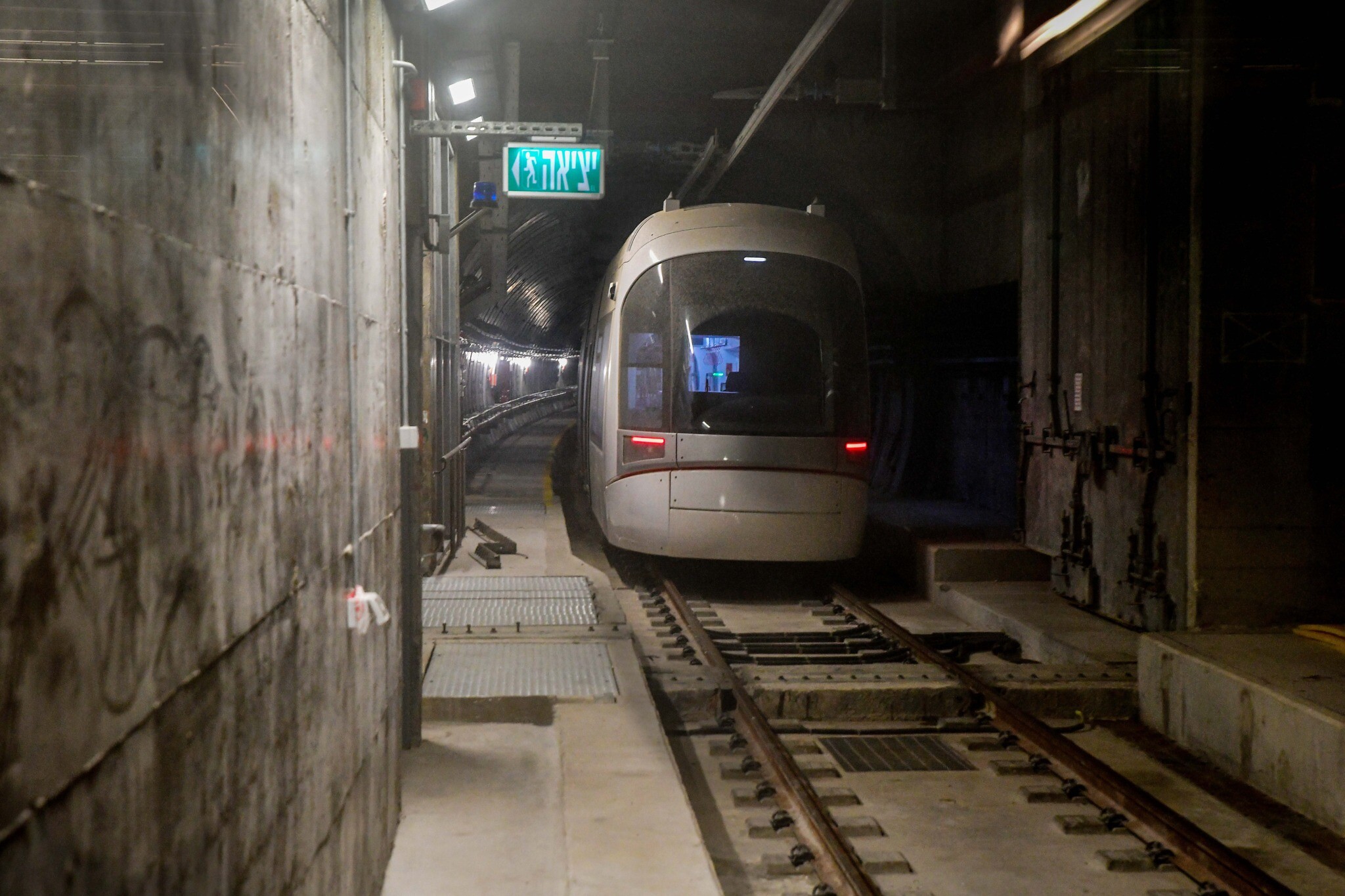
The first of three planned light rail lines in Tel Aviv, the Red Line, is set to start service on August 18, authorities said last week. The inaugural Red Line will travel 24 kilometers through the city, from the satellite city of Petah Tikva to Bat Yam, south of Tel Aviv.
The line, consisting of 34 stations and a spur, is expected to carry some 235,000 passengers daily, according to NTA. Trains are expected to run every six to eight minutes, taking some 80 minutes to traverse the complete route.
Work on the rail lines, which will largely travel above ground, began a decade ago, but the projected opening has been repeatedly pushed back by malfunctions, safety issues and other delays.
When completed, the three light rail lines and three subway lines are expected to transform Tel Aviv, long served solely by buses and shared taxi vans.








The Times of Israel Community.