

Drone fishing ‘a death trap’ for humans and marine wildlife, sea enthusiast warns
Northern Israeli diver, who rescued two sea turtles injured by abandoned fishing line this year, reports uptick in fishing waste in recent weeks
 Add ToI as a Preferred Source on Google
Sue Surkes is The Times of Israel's environment reporter
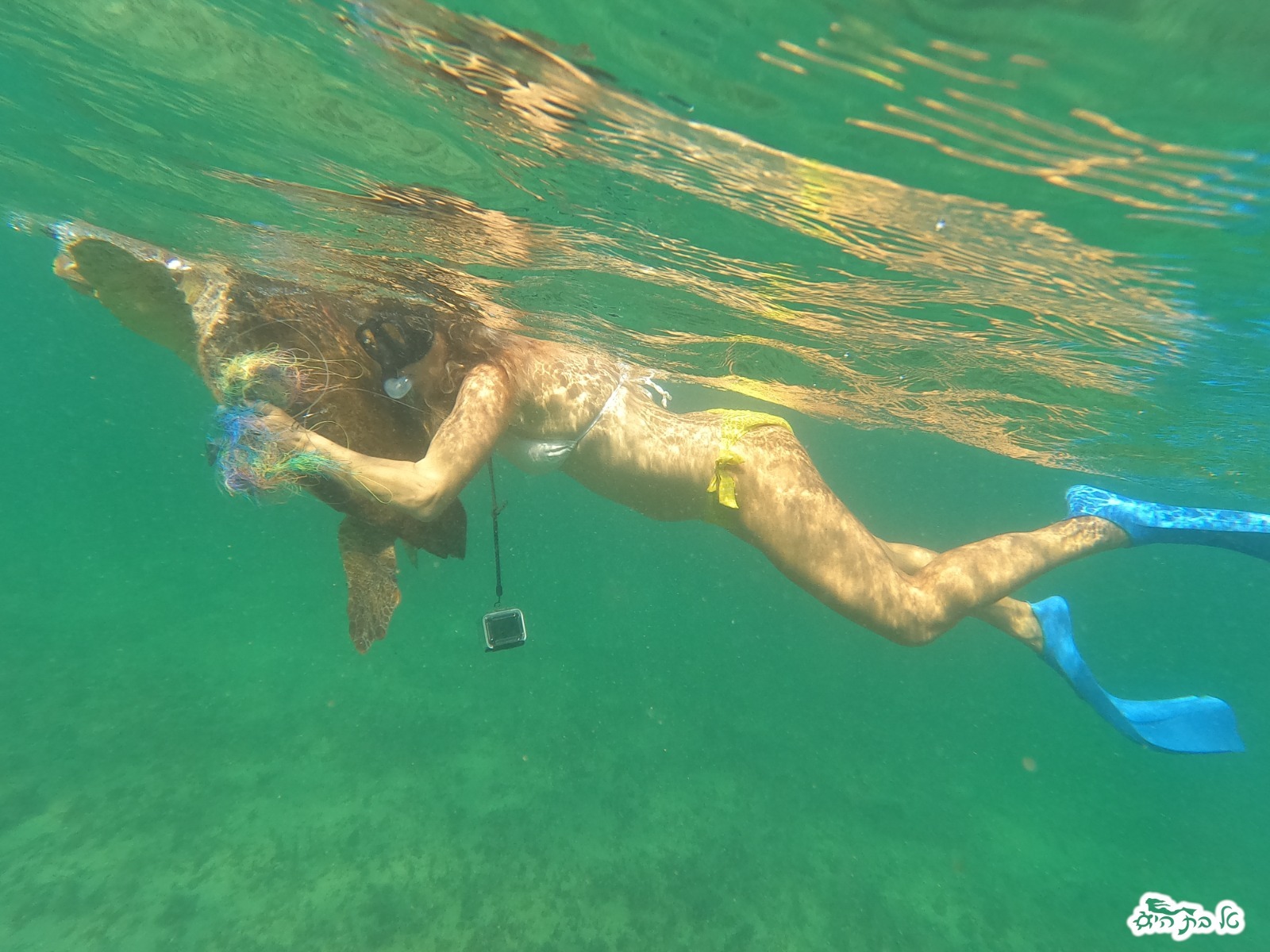
A woman who lives on the northern Israeli shore of the Mediterranean Sea and is devoted to protecting turtles and other marine life on her doorstep is warning that the lines, hooks and other gear dropped from fishing drones are endangering human and animal life.
Tal Raz, 49, goes into the sea daily at Bat Galim, a neighborhood of the northern city of Haifa, to check on the rich sea life, which includes stingrays, bull rays, many fish species, squid, octopus, and more than 100 turtles that she has named and for whom she has created IDs.
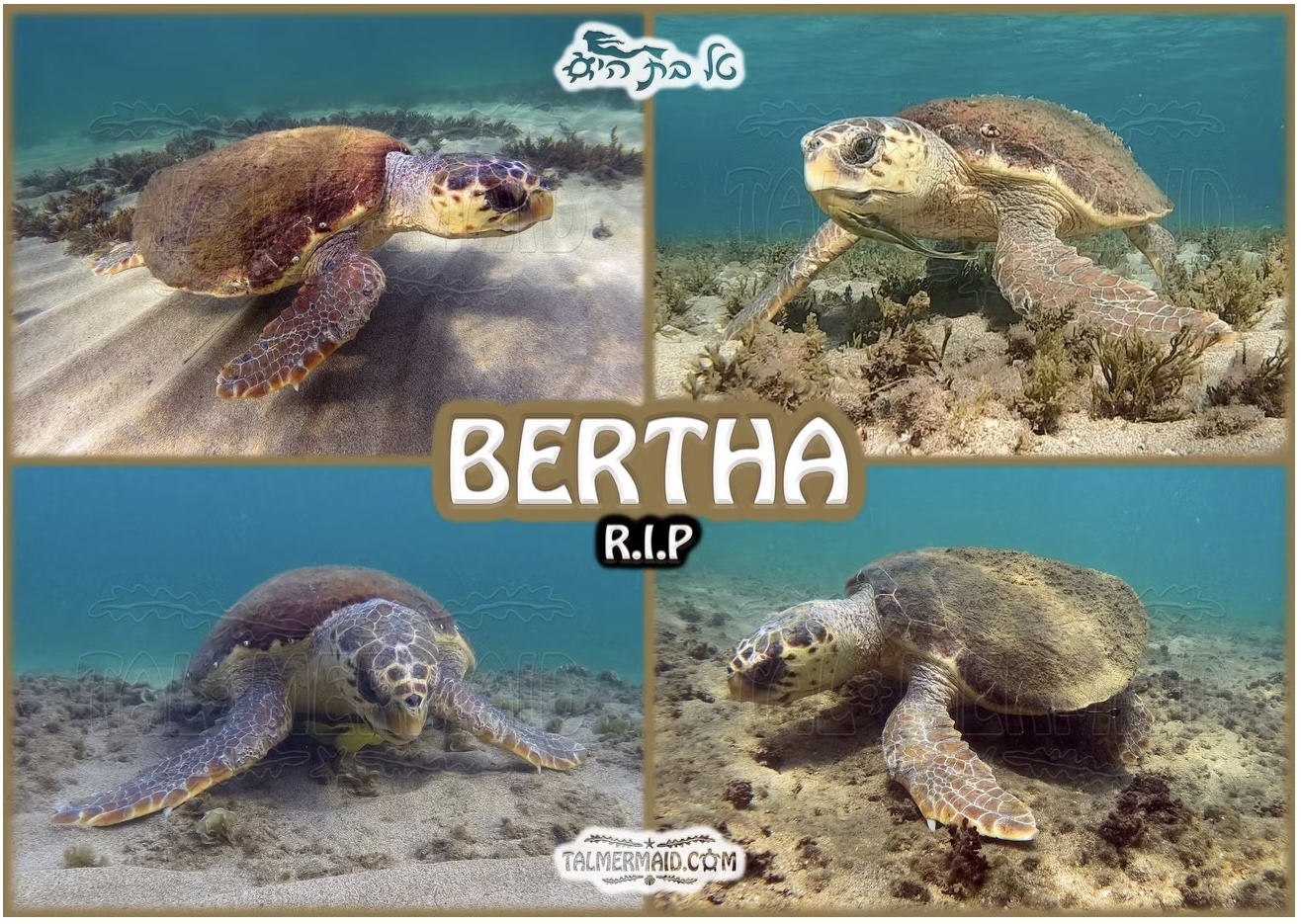
She returns with cans, bottles, plastic waste and leftover fishing gear. A net left in the sea trapped and suffocated Bertha, a loggerhead turtle she had long documented.
During the summer, she rescued two turtles — one entangled in fishing line, the other with a fishing hook embedded in its body. She ensured that both got to the Israel Sea Turtle Rescue and Rehabilitation Center in central Israel. One had to have a fin amputated.
“The last month has been particularly bad,” she told The Times of Israel. “I’m finding fishing lines and hooks every day.”
Drone fishing, which was popularized in Israel after two highly skilled fishermen posted their successful catches on social media, enables enthusiasts to cast their rods hundreds of meters out to sea, where larger creatures such as sea turtles roam.
A fishing line, hundreds of meters long, runs from the rod on the beach to the drone, and from the drone into the sea, with the latter section carrying the hooks and bait. The hook is cast, the fish is reeled in from the shore-based fishing rod and the drone returns to land.
“I don’t know how the equipment ends up in the sea, but I see the results,” Raz said.
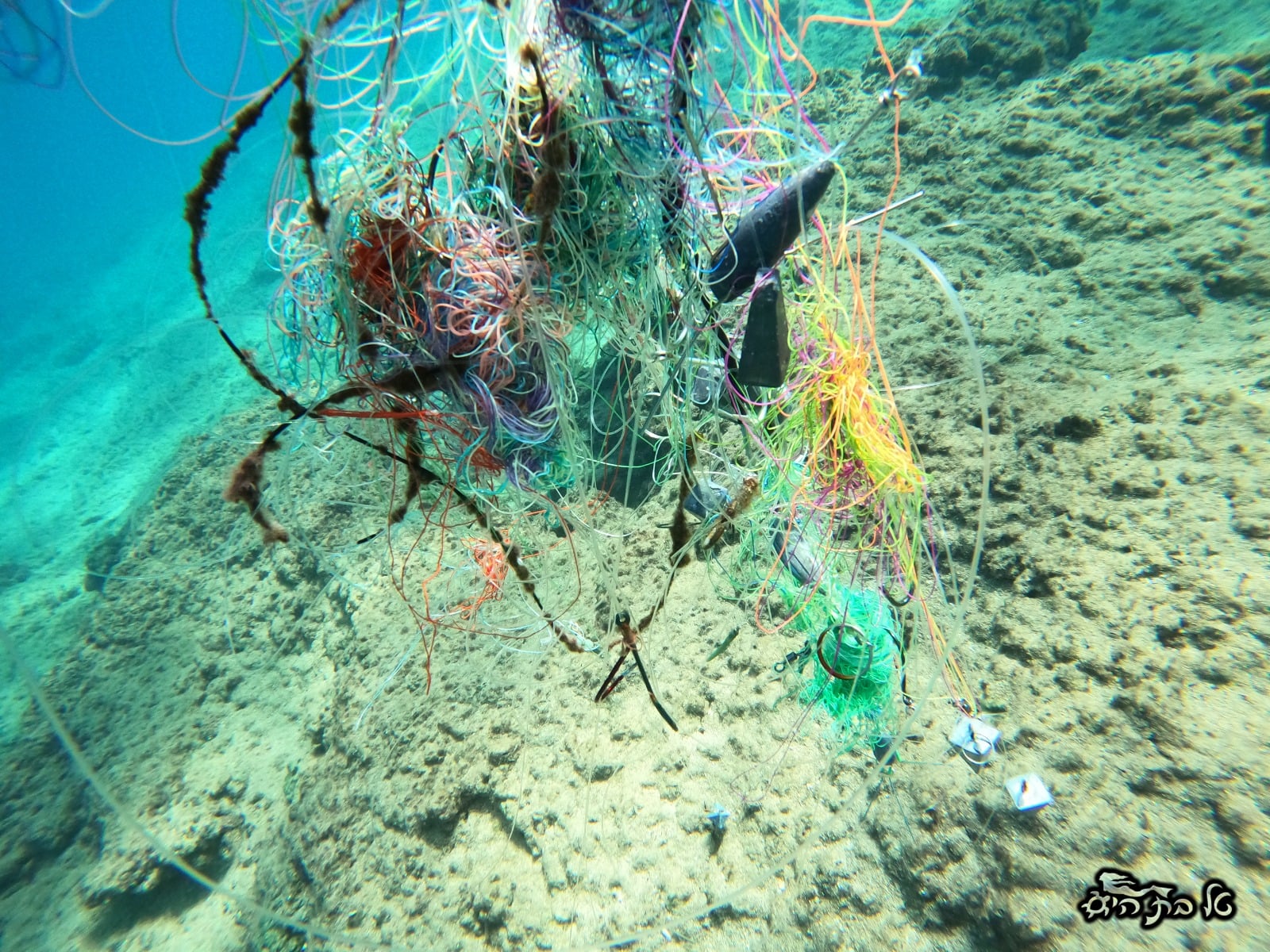
She continued, “Recently, someone diving off Bat Galim became entangled in fishing line and had to be rescued by two people on a kayak.
“A couple of surfers were also snared, one across the throat. It’s a death trap.”
Last week, several hundred people, including swimmers, divers and kayakers, signed letters to various authorities, calling for an end to drone fishing.
They included representatives from the Zalul marine environment organization, Haifa’s Nature and Environment Forum and Kayaking Generation.
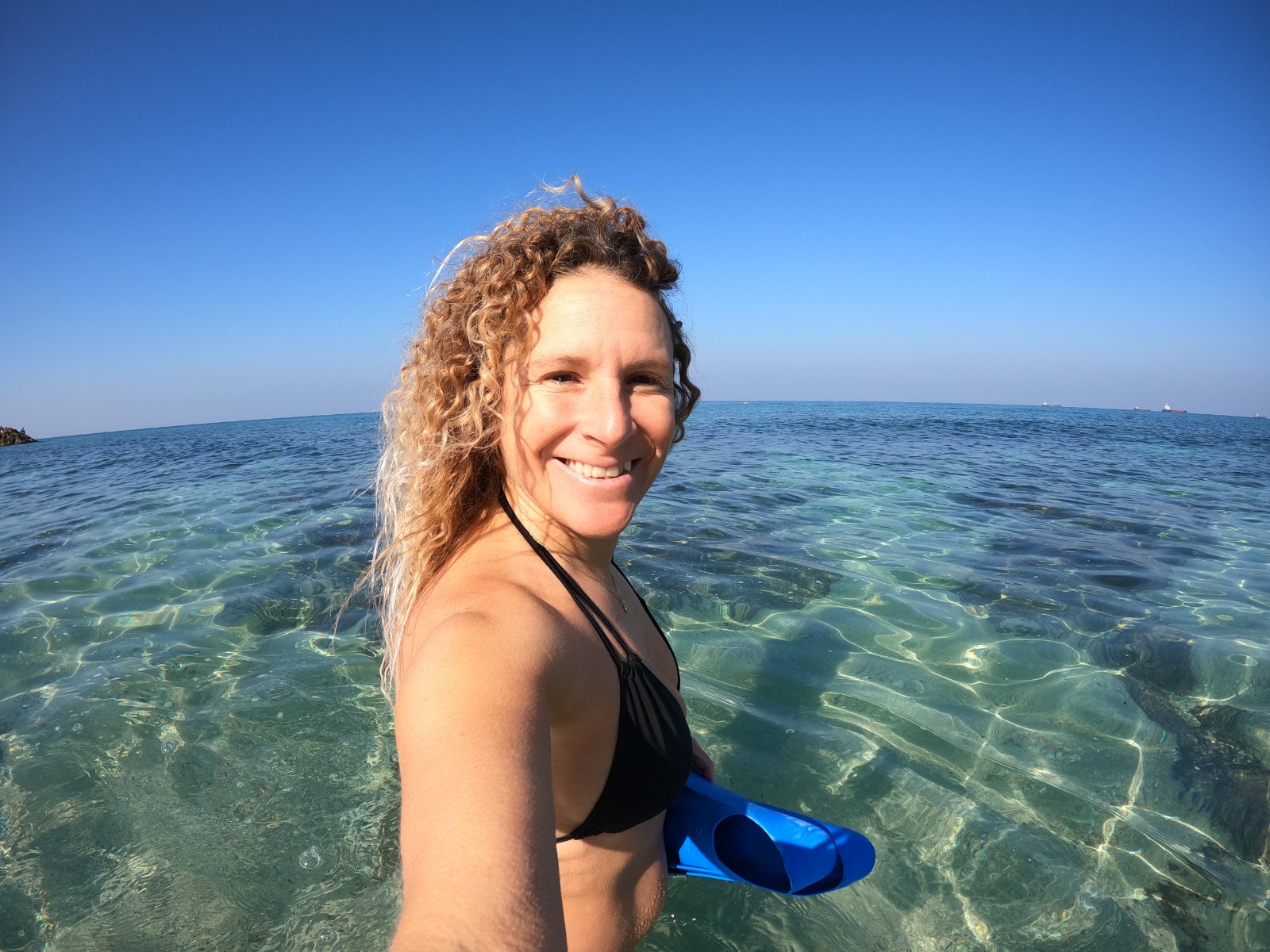
Raz, who offers lectures on marine life and snorkeling tours under the name Tal Mermaid, added, “Anyone can get a fishing license for NIS 225 ($70) and then do what he wants.”
Raz is campaigning to have the Rosh Carmel marine nature reserve expanded to include Bat Galim’s reef.







The Times of Israel Community.