

European traffic safety watchdog suspends Israel due to ‘recent government actions’
Unclear whether suspension brought about by Israel’s traffic policies or war in Gaza; 2025 has been the deadliest year on Israeli roads in two decades
 Add ToI as a Preferred Source on Google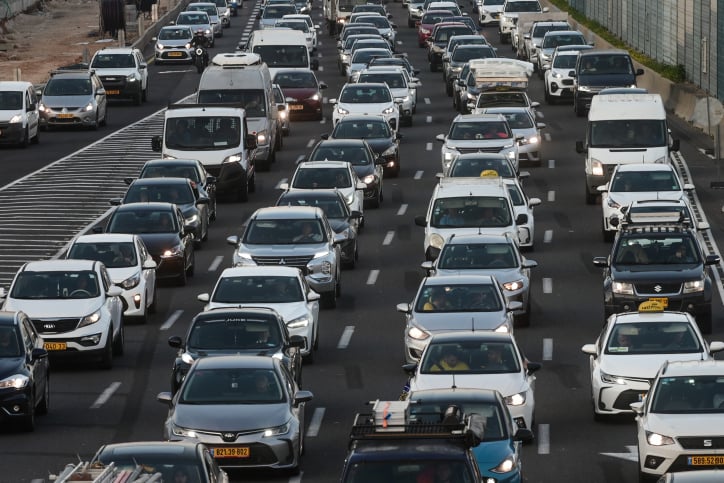
A major European nonprofit dedicated to reducing traffic deaths and injuries has suspended Israel from its comparative research program on road safety, saying that recent actions of the Israeli government contradict the organization’s commitment “to protect human life.”
In a letter published by Haaretz dated December 1, 2025, Antonio Avenoso, the executive director of the European Transport Safety Council, wrote that the ETSC board of directors decided to suspend Israel’s National Road Safety Authority from its Road Safety Performance Index (PIN) program.
“Recent actions by the current Israeli government are not deemed compatible with the principled commitment of ETSC and the PIN [program] to protect human life,” the letter said, adding that the suspension had taken effect at the beginning of this month and would be reviewed periodically.
It was unclear from the letter whether the decision was based solely on Israel’s failure to prevent fatal car accidents — which have been on the rise for years — or constituted a broader criticism of its war against Hamas in the Gaza Strip, which European institutions have sharply criticized for alleged human rights violations.
The most recent PIN report, published in August, showed that Israel had a 22 percent increase in traffic deaths between 2023 and 2024, which is the largest increase among all 32 countries surveyed. Most countries surveyed saw a decrease in traffic deaths.
The increase in traffic deaths in Israel has been a consistent trend since 2014, according to the report, with the country seeing a 34 percent increase over the course of the decade.
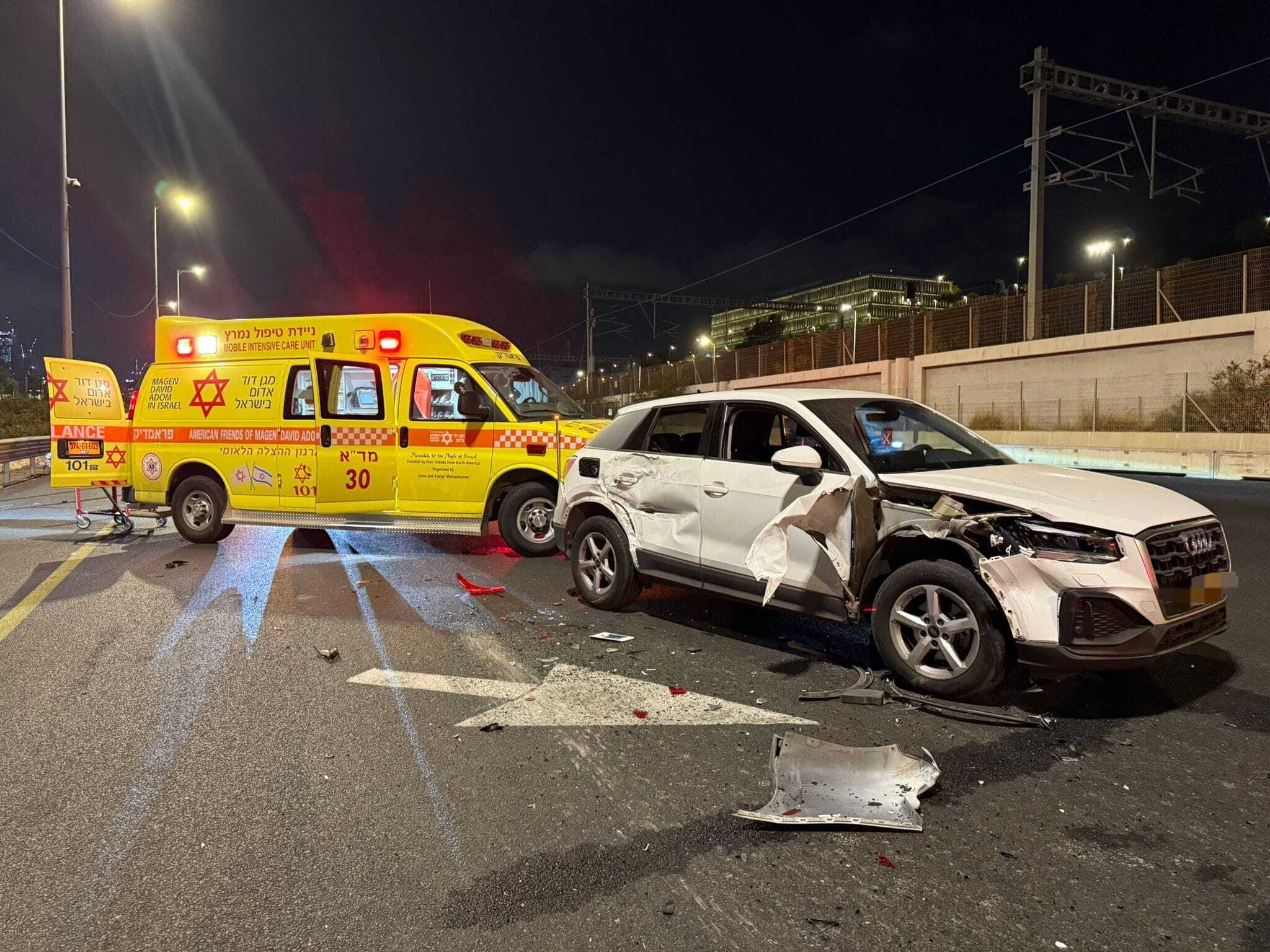
According to Israel’s National Road Safety Authority (NRSA), the 452 traffic deaths in Israel in 2025 mark the deadliest year on record on the roads since 2005.
The Transportation Ministry recently adopted a five-year plan to decrease traffic deaths by 5% annually through 2030. This goal is far below the 50% decrease that the ministry sought in a similar plan unveiled in 2020.
“The Europeans have shown us a red card in the fight against road accidents,” Yaniv Yaakov, CEO of the Or Yarok nonprofit, which advocates for safer traffic policies in Israel, told Haaretz. “Road safety in Israel has been neglected in recent years and has been placed at the lowest level of priority, and this is the result.
“While European governments put road safety in its proper place, at the highest priority, and work according to a multi-year national plan, the [Transportation Ministry] has shown indifference and a lack of interest. The consequence of not having a multi-year national plan is an increase in fatalities, and we are all paying the price after yet another year of failure.”
Traffic deaths have surged as the outgoing head of the NRSA, an independent body meant to manage the fight against road accidents and coordinate between different ministries, warned that the delayed implementation of a multi-year, budgeted plan for the agency has hampered efforts to combat the phenomenon.
The first strategic plan of its kind was approved in 2005 and implemented over the course of a decade until 2015. A State Comptroller’s report from May 2024 stated that the plan’s goals — including deploying at least 450 traffic enforcement units on the roads and reducing traffic deaths to 300 at most — were never met.
Upon its founding, the government determined that the NRSA’s budget would be NIS 550 million ($171 million) each year, though its allocated budget has diminished steadily over time. Today, it stands at just NIS 60 million ($19 million), according to The Marker.
Meanwhile, the police Traffic Division is operating far below international standards.
According to the business paper, there is one police patrol car for every 180 kilometers (112 miles) of intercity roads, as opposed to the OECD average of one police vehicle for every 10 kilometers (6 miles).





The Times of Israel Community.