

Iran has ‘lost complete control’ of Strait of Hormuz, Rubio claims
On visit to Greece, US secretary of state reiterates that Tehran cannot be allowed nuclear weapons, says its economy is plummeting because of ‘crippling sanctions’
 Add ToI as a Preferred Source on Google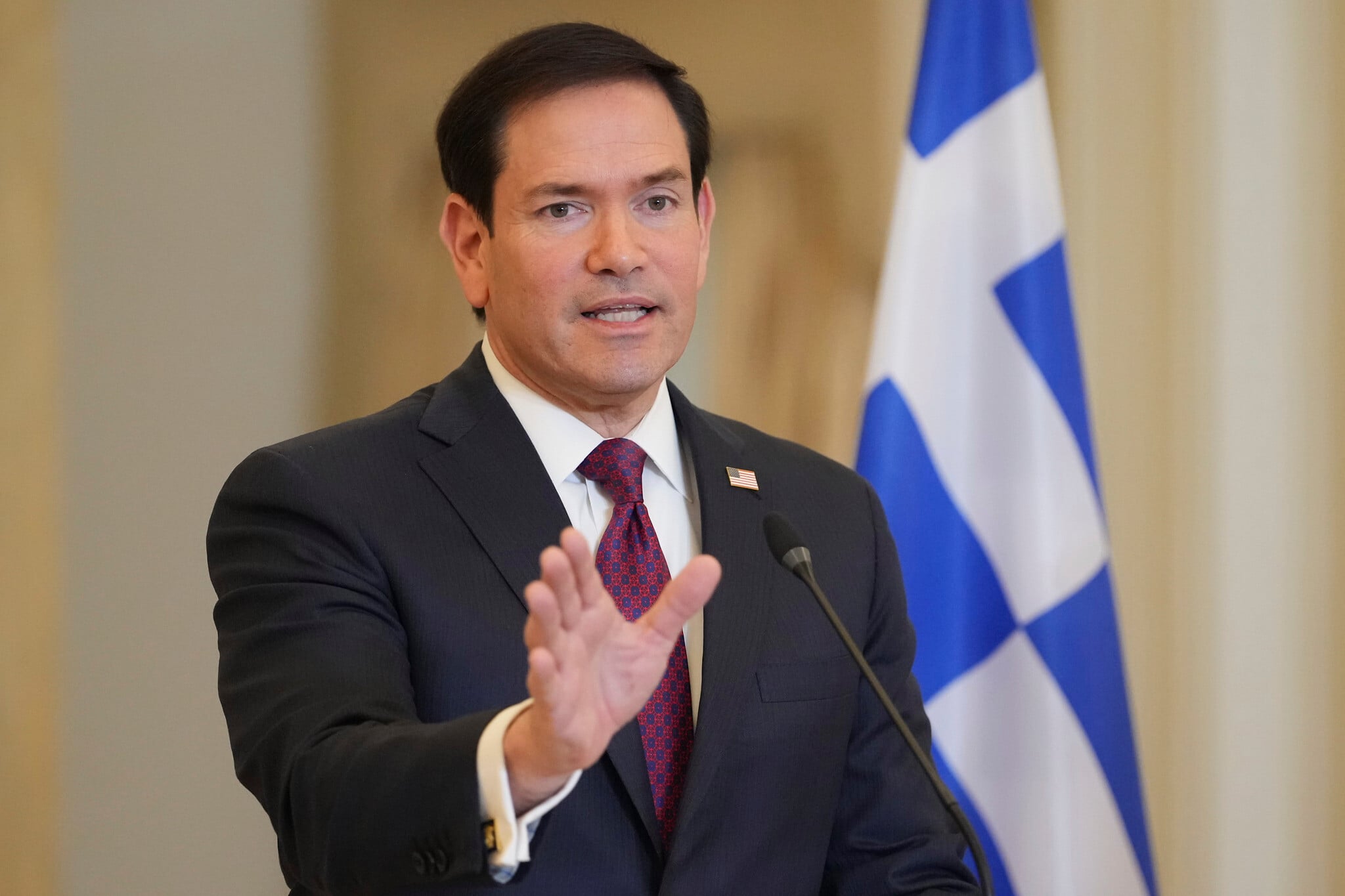
ATHENS, Greece — Iran has “lost complete control” of the Strait of Hormuz, US Secretary of State Marco Rubio said Wednesday, adding that Tehran’s economy was “in total and complete freefall.”
“The Straits of Hormuz are open. There’s almost as much oil flowing out now as there was before this conflict began. So they’ve lost complete control of the straits,” Rubio told reporters during a visit to Athens.
He argued that as a result of “crippling” sanctions, the Iranian economy was “about to reach a place few countries in the world have been.”
Every dollar received by the “radical Shia clerics” is spent on Hezbollah and Hamas, he said.
“Iran cannot have a nuclear weapon, simple, period, end of story,” Rubio said.
“And anything they agree to that would be acceptable to the United States has to be something that ensures that Iran will never have a nuclear weapon.”
He argued that Iran was trying to “build up a conventional capability so massive that they would become untouchable.”
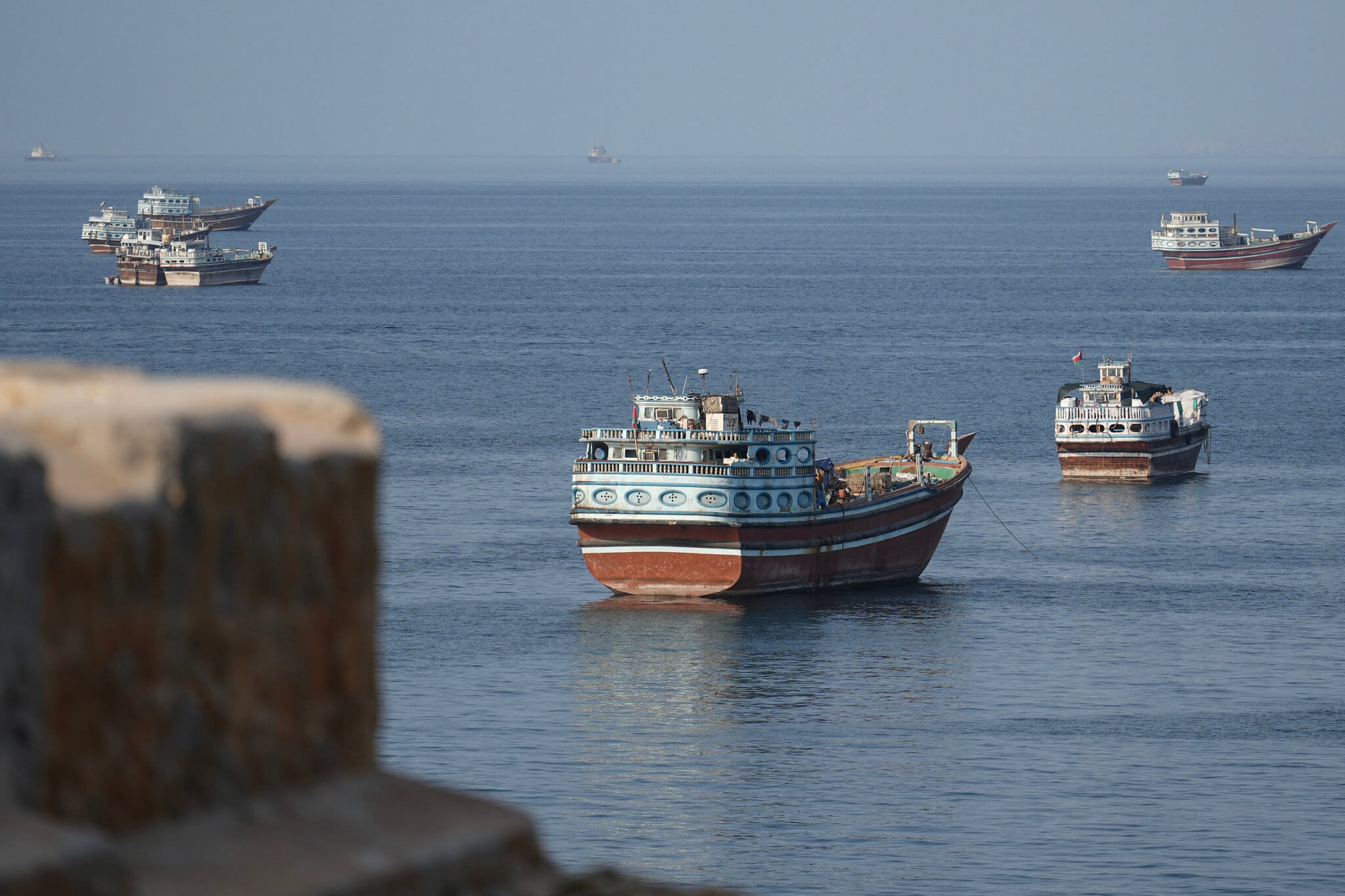
Shipping data earlier this week showed that crude oil exports from the Middle East were above pre-war levels for the majority of the last week of September, although attacks on tankers sailing through the Strait of Hormuz have continued to rise.
According to maritime security sources, attacks on tankers in the strait hit their highest level last week since the US-Israeli war with Iran began in late February.
In the week of September 28-October 5, there were at least 12 attacks on oil, liquefied natural gas and liquefied petroleum gas tankers around the Strait of Hormuz, according to data from three maritime security sources who analyzed incidents based on information received from the area.
Separate data collated by the UN’s shipping agency, the International Maritime Organization (IMO), showed nine incidents involving vessels in the same week.
The UN body tends to take longer to verify and officially record incidents, maritime sources say.
The closest week in terms of comparable incidents was the week of July 13, when there were eight incidents, separate IMO data showed.
Rubio was speaking during an official visit to Athens, where he announced that the US and Greece would be launching new counterterrorism information sharing between their law enforcement agencies.
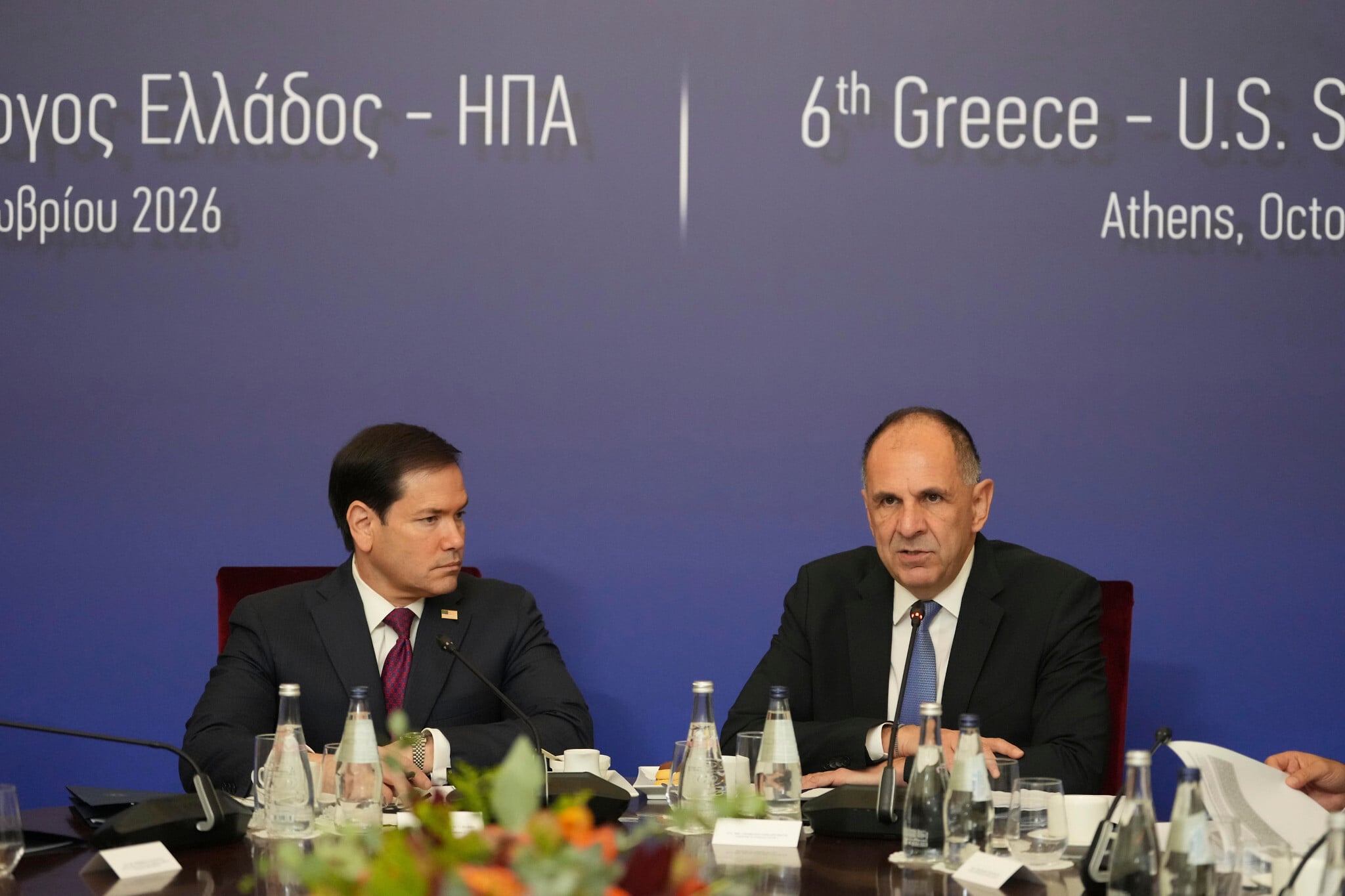
Greece has been an important NATO ally to the United States, offering key military facilities to safeguard security in the Eastern Mediterranean, and it leads an EU maritime mission to protect commercial shipping in the Red Sea.
Greek Foreign Minister George Gerapetritis said on Wednesday that Greece was willing to cooperate with the United States and offer maritime aid in the Strait of Hormuz if there is a viable peace process there.
Greece has been working to position itself as a key hub in southeastern Europe, particularly for the transport of natural gas, as the wars in Iran and Ukraine have both highlighted the fragility of energy supply routes.
Recently opened gas pipelines and port infrastructure have enabled Greece to contribute to the vertical corridor through eastern Europe to Ukraine.






The Times of Israel Community.