

Irish novelist says UK ban on Palestine Action could force her books off shelves
After pledging royalties to anti-Israel group, author Sally Rooney says terror designation may criminalize her support and prevent publishers, producers from paying her
 Add ToI as a Preferred Source on Google
LONDON — Irish novelist Sally Rooney that Britain’s decision to ban pro-Palestinian group Palestine Action as a terrorist organization could stop her receiving royalties and even lead to her books being withdrawn from sale due to her support for the group.
The bestselling author said in a witness statement made public on Thursday, the second day of a legal bid to overturn the ban, that production company Element Pictures had expressed concern that paying her royalties could be a crime.
Element Pictures, which produced the adaptations of Rooney’s novels “Normal People” and “Conversations with Friends” for the BBC, wrote to her agent in September after Rooney said she would use royalties to support Palestine Action.
Rooney also said in her statement submitted to London’s High Court that the law was unclear on whether her publishers, Faber & Faber, could pay her royalties on book sales, meaning “my existing works may have to be withdrawn from sale” in Britain.
“The disappearance of my work from bookshops would mark a truly extreme incursion by the state into the realm of artistic expression,” she said in the statement.
Element Pictures and Faber & Faber did not immediately respond to a request for comment.
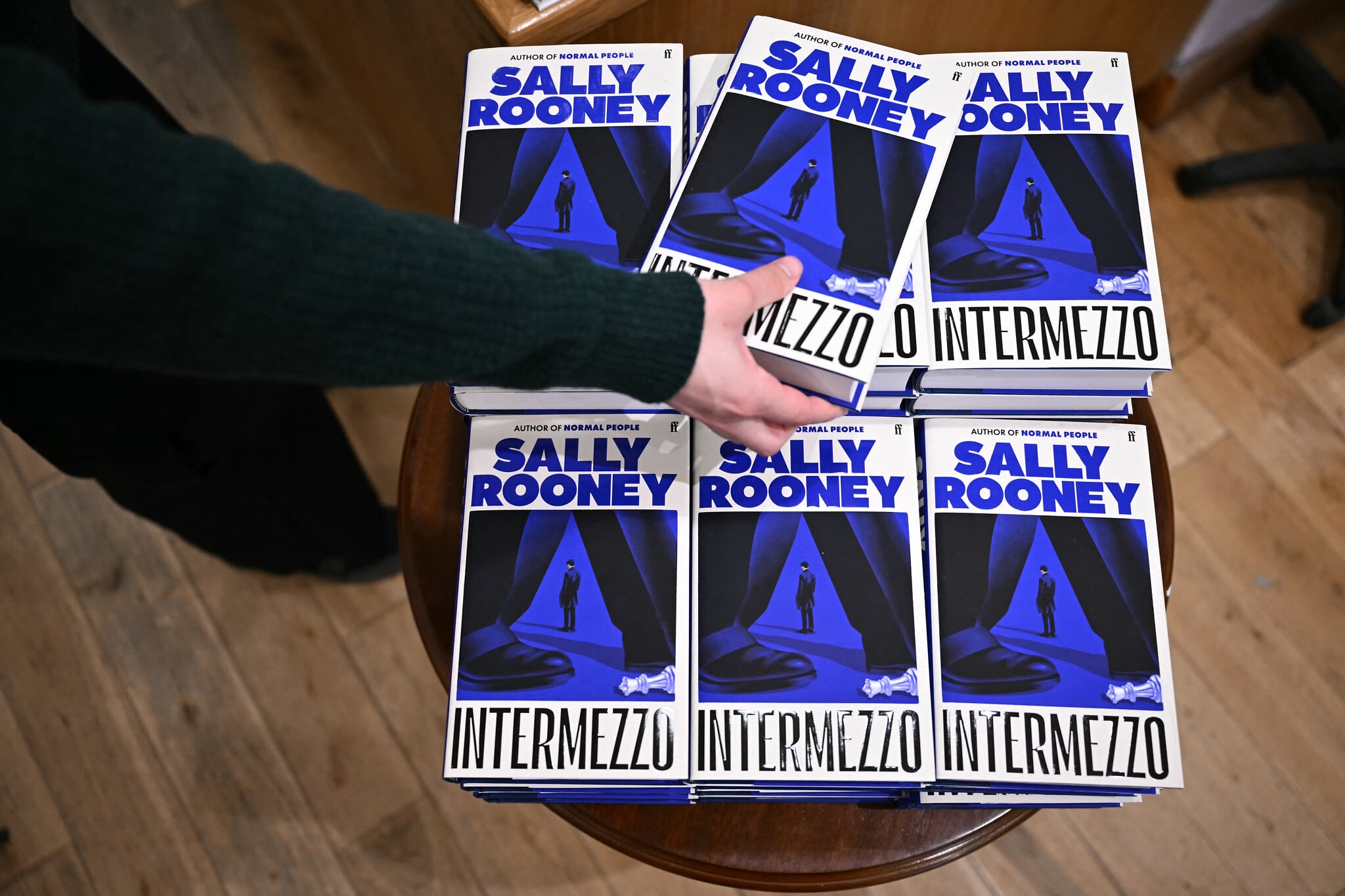
Rooney’s statement was provided to the court on behalf of Palestine Action co-founder Huda Ammori, who argues that designating the group a terrorist organization is an authoritarian restriction on protest.
The author has long been an outspoken critic of Israel, pushing for a boycott of Israeli institutions and in 2021 stopping her work from being translated into Hebrew.
Palestine Action was proscribed in July, putting it on par with Islamic State and al-Qaeda and making it a crime to be a member, which carries a maximum sentence of 14 years in prison.
The group had increasingly targeted Israel-linked companies in Britain with “direct action,” often blocking entrances, smashing windows or spraying red paint on premises.
Britain’s Home Office, or interior ministry, moved to ban the group after an escalating series of actions, culminating in a June break-in at the RAF Brize Norton air base when activists damaged two planes.
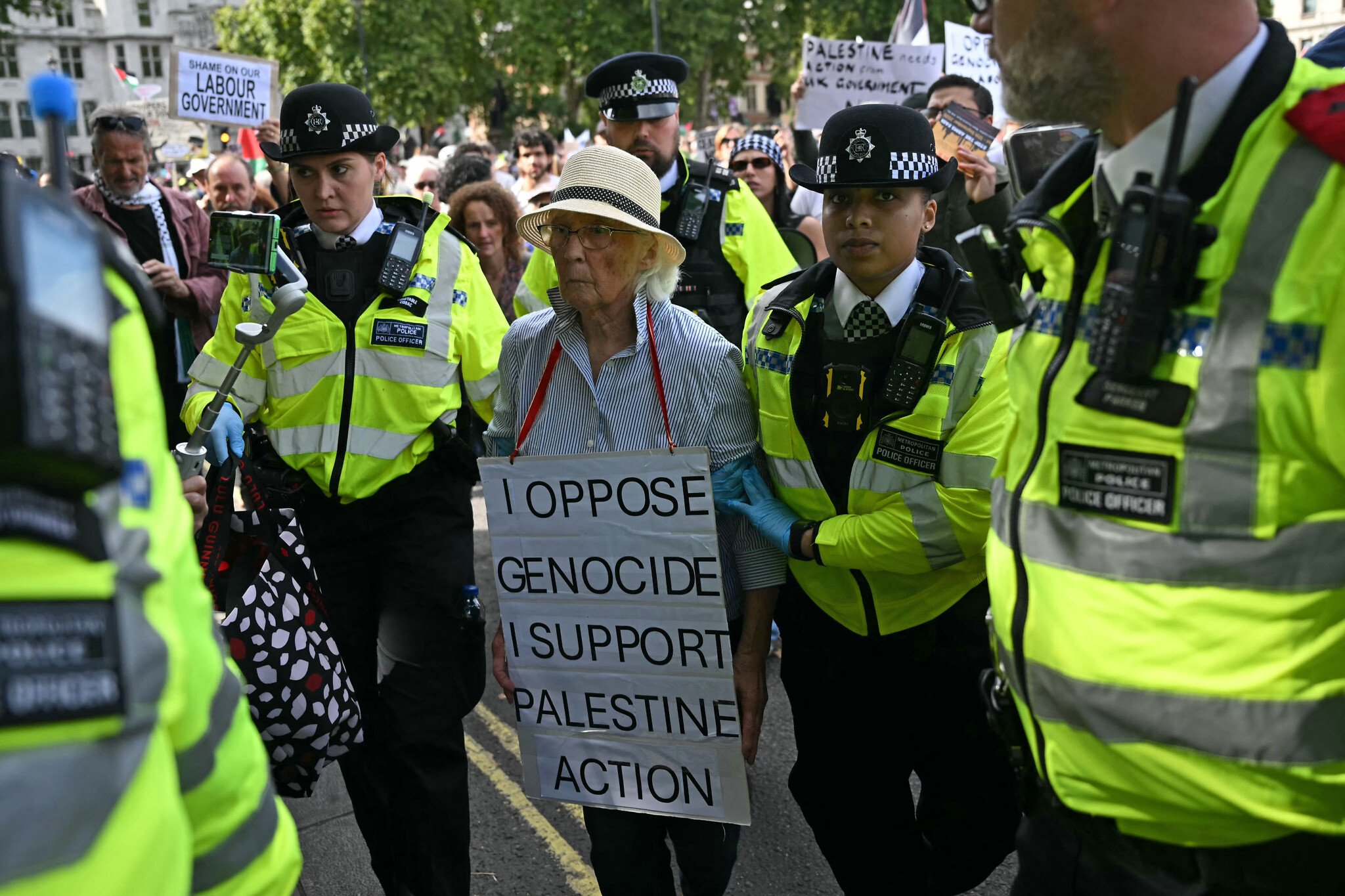
Critics of the ban, however, argue that acts of protest that damage property do not amount to terrorism and that the move curtails protest rights.
Video shown in court this week features a member of the group who broke into a UK subsidiary of Israeli arms firm Elbit last year, striking an officer on the back with a sledgehammer as she knelt on the floor during the break-in, fracturing her lumbar spine.
Since it was banned in July, more than 2,000 people have been arrested for holding signs which say “I oppose genocide, I support Palestine Action” — including more than 100 outside court on Wednesday, according to police.






The Times of Israel Community.