

Israeli artists upcycle clothes, trinkets and memories into beloved keepsakes
Businesses help repurpose jewelry or turn cherished pieces of material and other items belonging to those who have passed into stuffed animals and other mementos
 Add ToI as a Preferred Source on Google
Jessica Steinberg, The Times of Israel's culture and lifestyles editor, covers the Sabra scene from south to north and back to the center
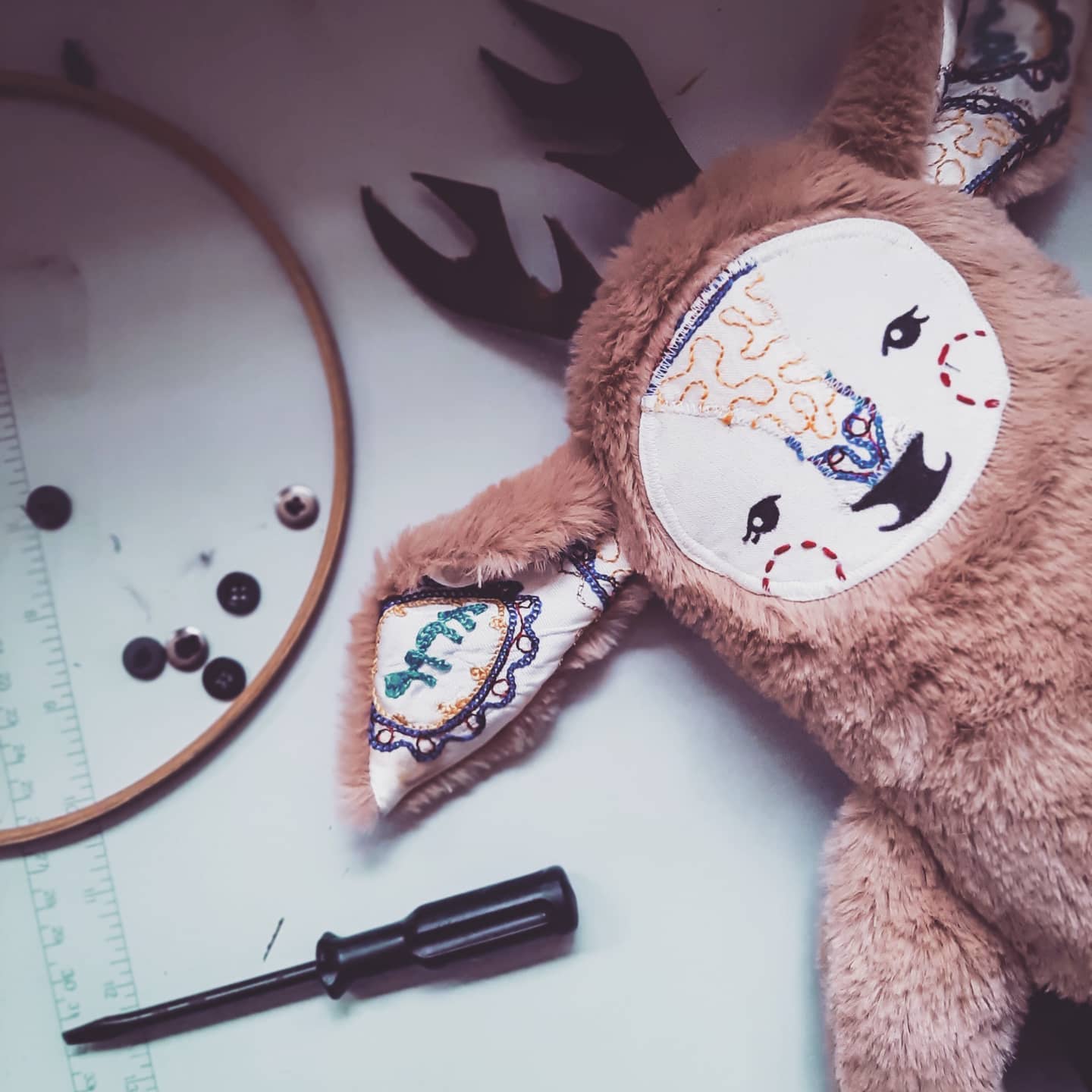
In the middle of the coronavirus pandemic, dollmaker Nana Warszawski was commissioned to make a collection of figures in memory of a customer’s parents who had both died of COVID-19, just four days apart.
The customer told Warszawski that she was searching for something to help her cope with the loss of her parents, that would give her a tangible, physical reminder of them and give her children and grandchildren a remnant of their elders that would be with them forever.
Warszawski produced 14 plush, personalized dolls for the extended family, crafted from articles of clothing, buttons and even a kippah that had belonged to the client’s parents.
“I’m not a therapist, I just make dolls,” said Warszawski. “But there are some dolls that really enter my life. People tell me their stories and how can you ever get tired of that? And sometimes people come and bring me their fabric and don’t tell me anything at all.”
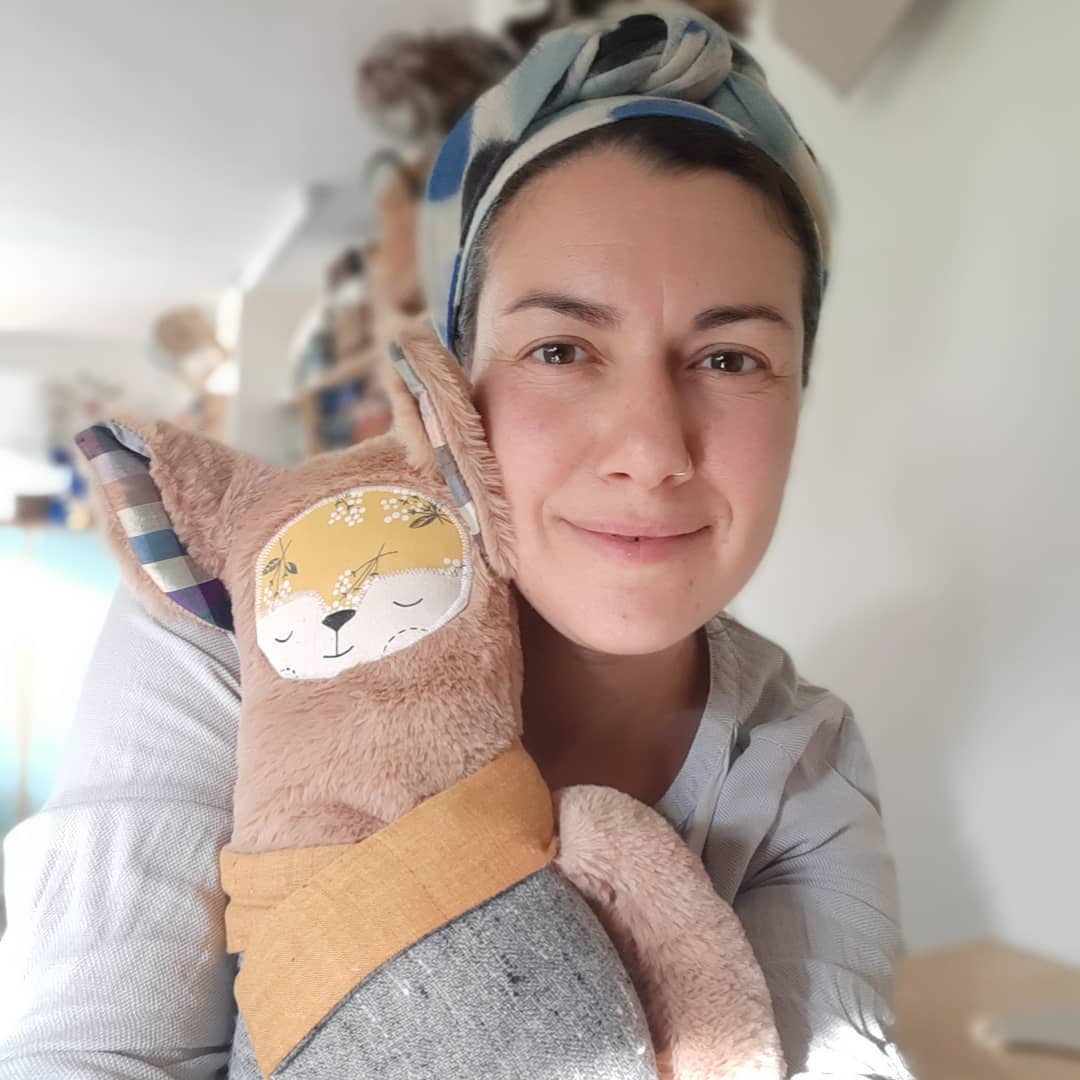
This year of COVID-19 has been a busy one for the Bezalel-trained Warszawski, the founder of Project Creatures, soft, intricately designed and hand-sewn creatures that she upcycles — it’s a form of DIY recycling that turns old and used materials into something of higher value — from worn fabric and pieces of clothing.
She sees her work as a kind of mission, reusing fabrics and textiles that have sentimental value and giving them new life, thus perpetuating the stories and memories associated with them.
When a child, teen or adult connects with the quirky, elfin doll made for them, there’s no better satisfaction, said Warszawski.
Sometimes the pieces of fabric come from someone no longer living — a wedding dress, a cherished blanket, even a curtain that once belonged to a parent, grandparent or great-grandparent. Other times the items may simply have sentimental value — a pair of soccer shoes that helped win many games, a beloved pair of jeans worn down to threads.
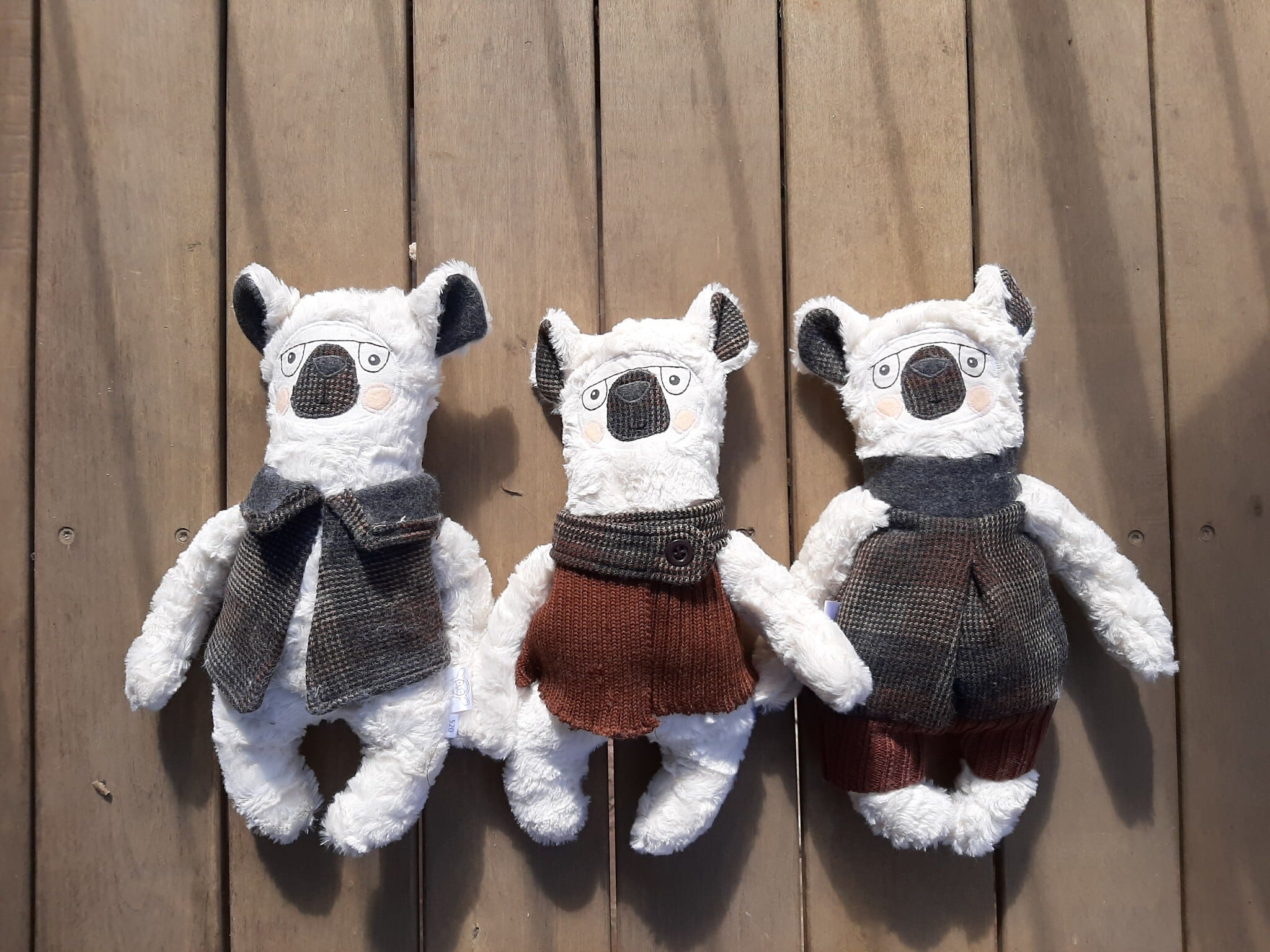
Warszawski uses every scrap of material she receives to turn out a new product, with leftover fabric often cut up and used as filler, as she aims to be a zero waste business.
The cozy creatures are a combination of stuffed animal and doll, sometimes with the appearance of a bunny or a bear, a cat or a sheep, with soft round faces embroidered with appealingly gentle eyes, nose and mouth.
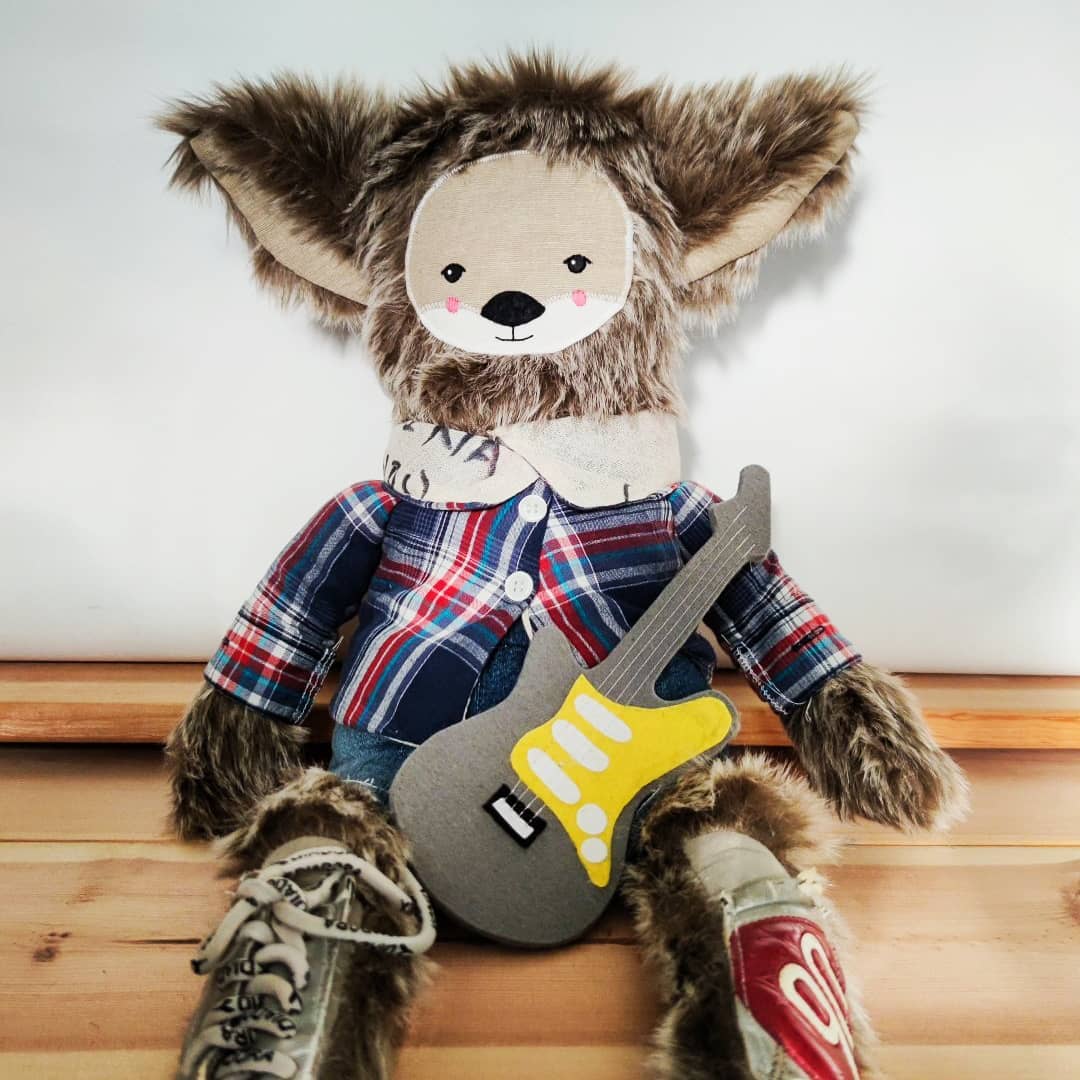
“Dolls have a very long shelf life,” said Warszawski, who works from her home studio in Jerusalem. “We think of them as an accessory of childhood, but you don’t necessarily graduate from it. You can give dolls to a big kid also. Maybe we’ll change the way of thinking around it.”
The beloved sneakers of one young adult turned into the feet of a furry creature, while his brother’s jeans became the legs of a fellow creature, along with a bag slung across his soft shoulders to represent his wanderlust.
“I definitely don’t subscribe to the idea that dolls or creatures are only for girls,” said Warszawski.
The aspect of upcycling also appeals to customers, said Warszawski, as they clean out the home of a loved one, or hold on to clothing or fabric that won’t be worn again but still has meaning.
Annabelle Landgarten is another Jerusalemite who started upcycling during the pandemic by repurposing pieces of jewelry, using shells and other bits of nature in her reconfigured pieces.
As Landgarten posted photos of her work on Instagram, friends began bringing her pieces of costume jewelry they weren’t wearing any longer but had rediscovered during a lockdown cleaning of their jewelry box and drawers.
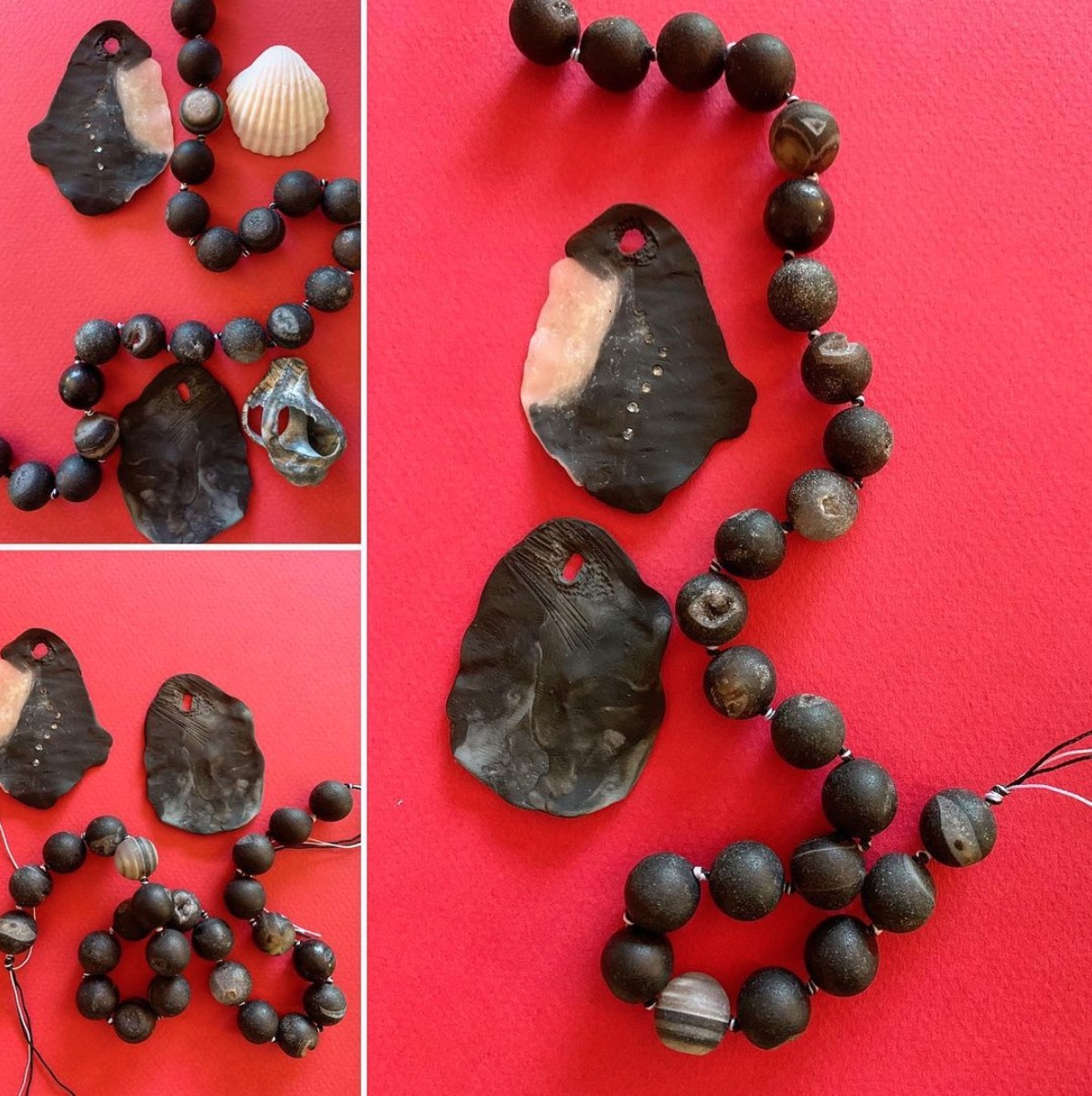
“Sometimes I didn’t like what they’d brought, but sitting and working with it changed the way I looked at it,” said Landgarten.
Landgarten sits with each customer to hear the story of the jewelry and the value it holds for the customer.
She often upcycles inherited jewelry into updated items, and sends photos of the work in progress to her clients to make sure they like the direction she’s taken.
Warszawski too keeps extensive photo files of her work, showing the work in progress on her studio table and then posting photos of the process on Facebook and Instagram. She’s been running Project Creatures since 2015 and while some seasons are far busier than others, business remains steady with a regular stream of customers.
Creating upcycled creatures wasn’t Warszawski’s initial plan. She had finished working on her final project as a student at Bezalel Academy of Arts and Design and decided to use her many leftover scraps of fabric to make a doll.
She sold her dolls at a Bezalel student fair, and then at the annual Hutzot Hayotzer summer art fair in Jerusalem, where they all sold out.
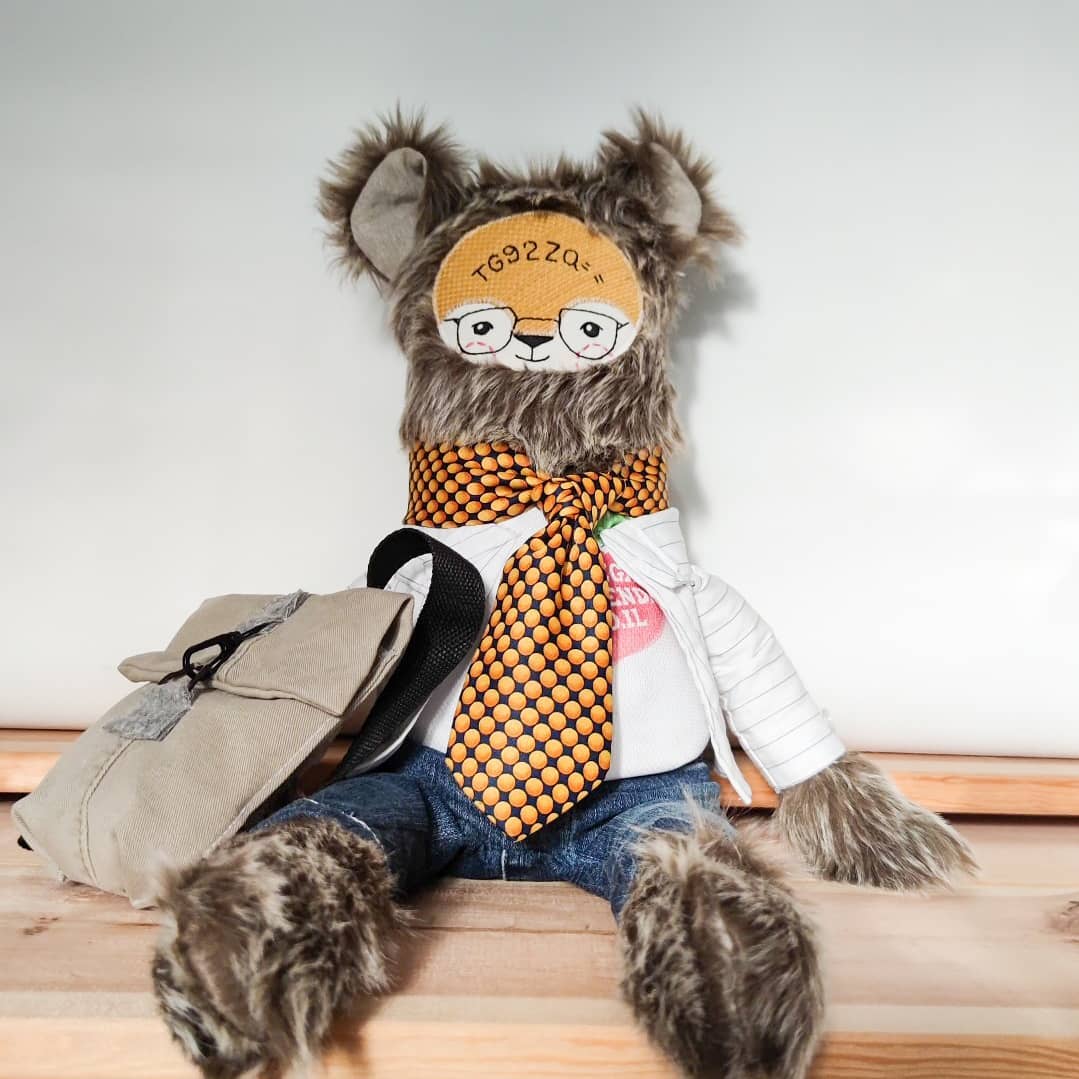
The handmade doll business was built by word of mouth, and then a customer brought the upcycling angle to Warszawski. She asked Warszawski to make six dolls out of the fabric from several pieces of clothing that belonged to her mother who had just died.
“She was a person with vision,” said Warszawski.
The dolls, start at NIS 300 ($90) for customized work. Customers can also come to Warszawski’s Jerusalem studio and work on the doll with her.
“It demands creativity but it’s incredibly fun because it never stops changing,” she said. “It just continues surprising me all the time.”









The Times of Israel Community.