

Jewish rocker who discovered Bon Jovi charts journey from stage to boardroom
With memoir ‘Giant Steps,’ Derek Shulman sounds off on a career that saw him play with Elton John, get snubbed by the Beach Boys and sign some of the greatest acts in music history
 Add ToI as a Preferred Source on Google
Jordan Hoffman, a member of the New York Film Critics Circle, is The Times of Israel's long-time film reviewer and the co-host of The Reel Schmooze.
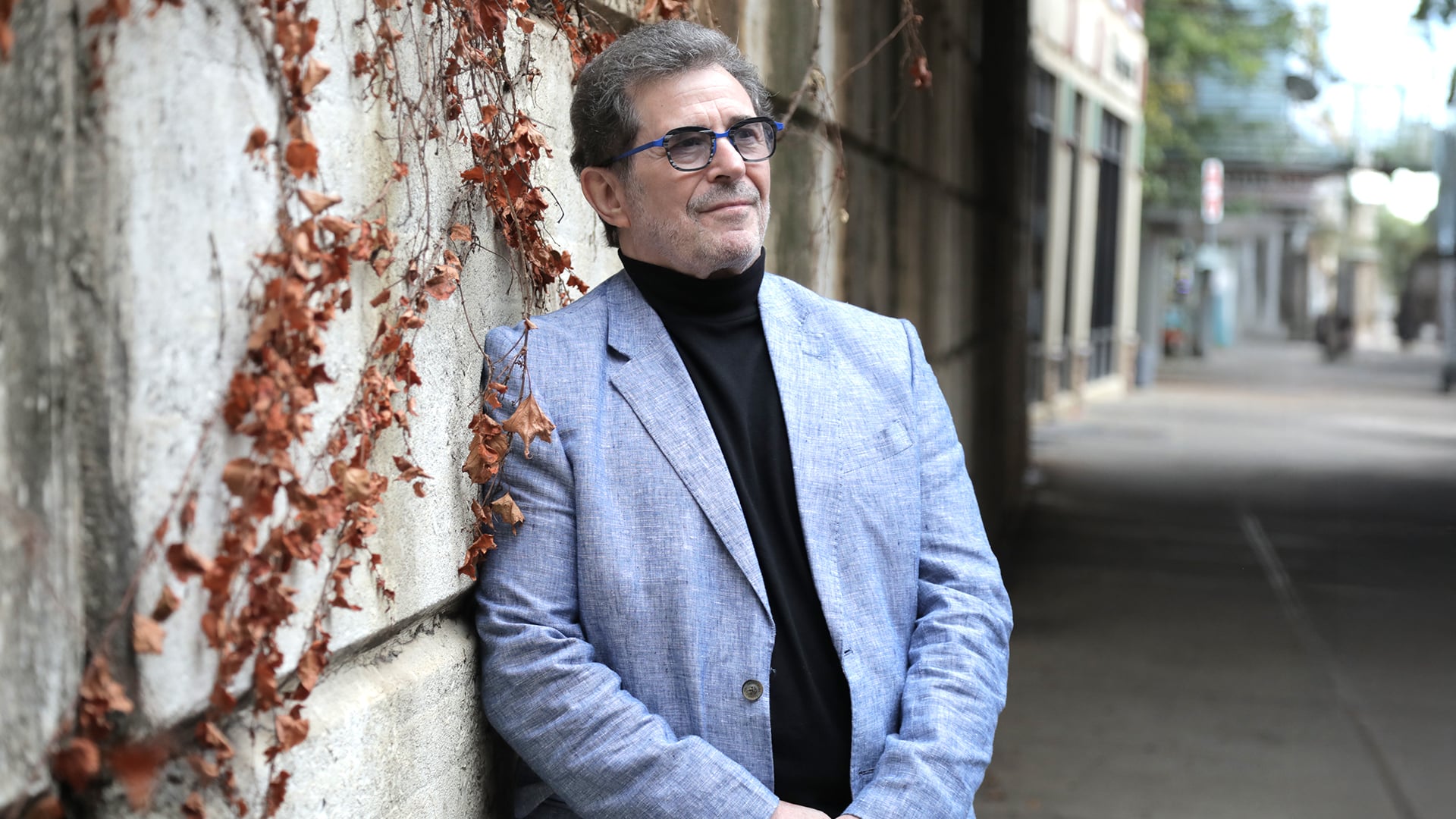
NEW YORK — Most people are lucky to have one significant career in the music business, but the Scottish-born Derek Shulman has had three: first with the psychedelic pop group Simon Dupree and the Big Sound, then with the uncategorizable prog rock band Gentle Giant, and then as a Midas touch record executive personally responsible for signing some of the biggest acts of the 1980s and 1990s.
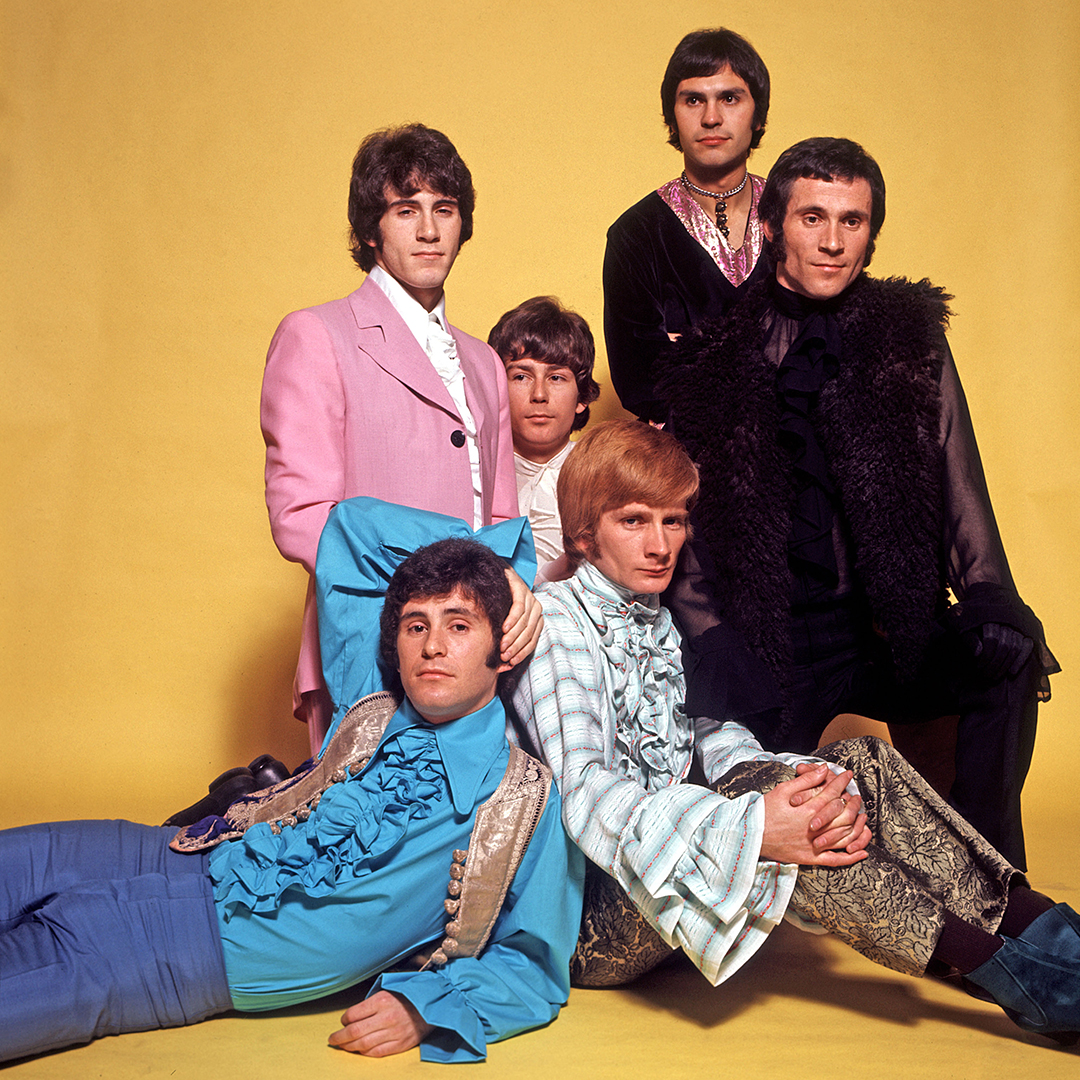
He grew up dirt poor, one of five siblings, part of a tiny Jewish community in Portsmouth, England. He and two of his brothers, older brother Phil and younger brother Ray, were all multi-instrumentalists, though Derek was also a singer. Their first group, Simon Dupree and the Big Sound, had some modestly successful hits and appearances on British television before recording “Kites” in 1967, which quickly became a youth anthem. Its innovative blend of orchestral instruments was an indicator of where Shulman was headed next.
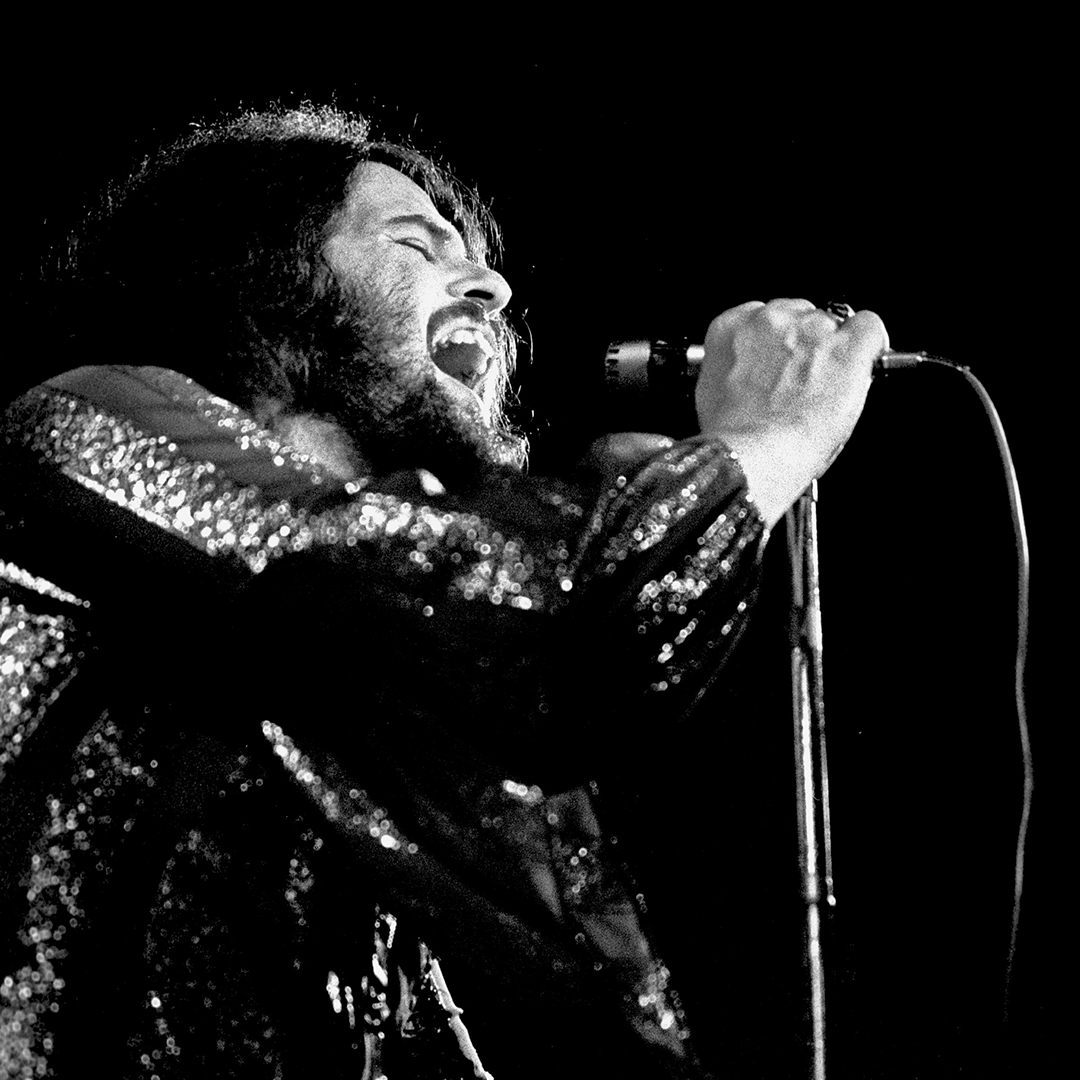
Gentle Giant, though not as well known as groups such as Yes, Genesis, Jethro Tull, or Emerson, Lake & Palmer, is in some ways the quintessential English Progressive Rock Band. Releasing 12 albums between 1970 and 1980, they made the kind of music you either love or you hate — but even the haters would have to agree that what they did was impressive.
When Gentle Giant finally hung up its hat, Shulman, who was also the band’s manager, found himself taking a gig at PolyGram Records. His experience as a recording and touring artist made him seem like less of a “suit” to the musicians on the roster. Soon he found himself with a real knack for discovering new talent, eventually becoming president of ATCO Records after a hilarious bidding war over his ears.
The biggest feather in his cap was nurturing Jon Bon Jovi, who would end up selling (checks notes) approximately five zillion albums. Shulman also worked with groups like Cinderella, Kingdom Come, Dream Theater, N.W.A (that’s a wild story), Pantera and Slipknot, and guided AC/DC out of a slump and back to the top of the charts.
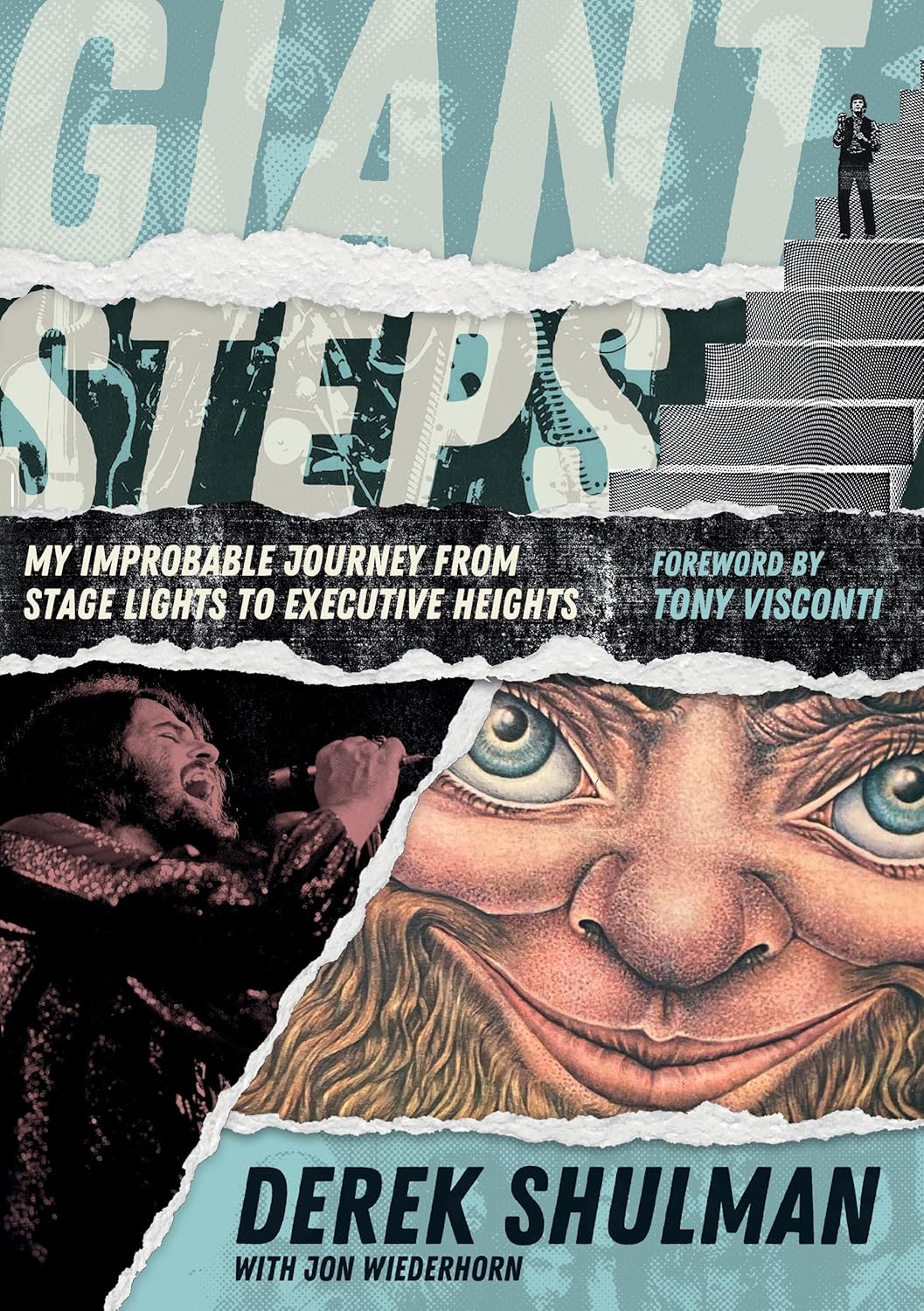
His new book, “Giant Steps: My Improbable Journey from Stage Lights to Executive Heights,” which hits the shelves in the UK on November 14 and in the US on December 2, is a marvelous look back at an action-packed life. Fun stories include how a young pianist named Reg Dwight was a last-minute piano replacement on an early Simon Dupree tour (he would later become Elton John), what it’s like when a complex prog band opens for heavy metal group Black Sabbath, how popular groups like The Eagles and The Beach Boys still find time to act like jerks to up-and-coming acts on the road, and how Pink Floyd’s original guitarist, Syd Barrett, once ruined a marketing scheme just because he could.
Additionally, the book shows how a guy who isn’t too keen on drugs or drink, who would rather rehearse music and make sure the promoters paid on time, managed to survive rock music’s craziest period. The book begins with young Derek witnessing his father, a local jazz musician, dying of a heart attack one morning at home. It immediately grabs you, and the quality of the writing sustains the same intimate tempo throughout.
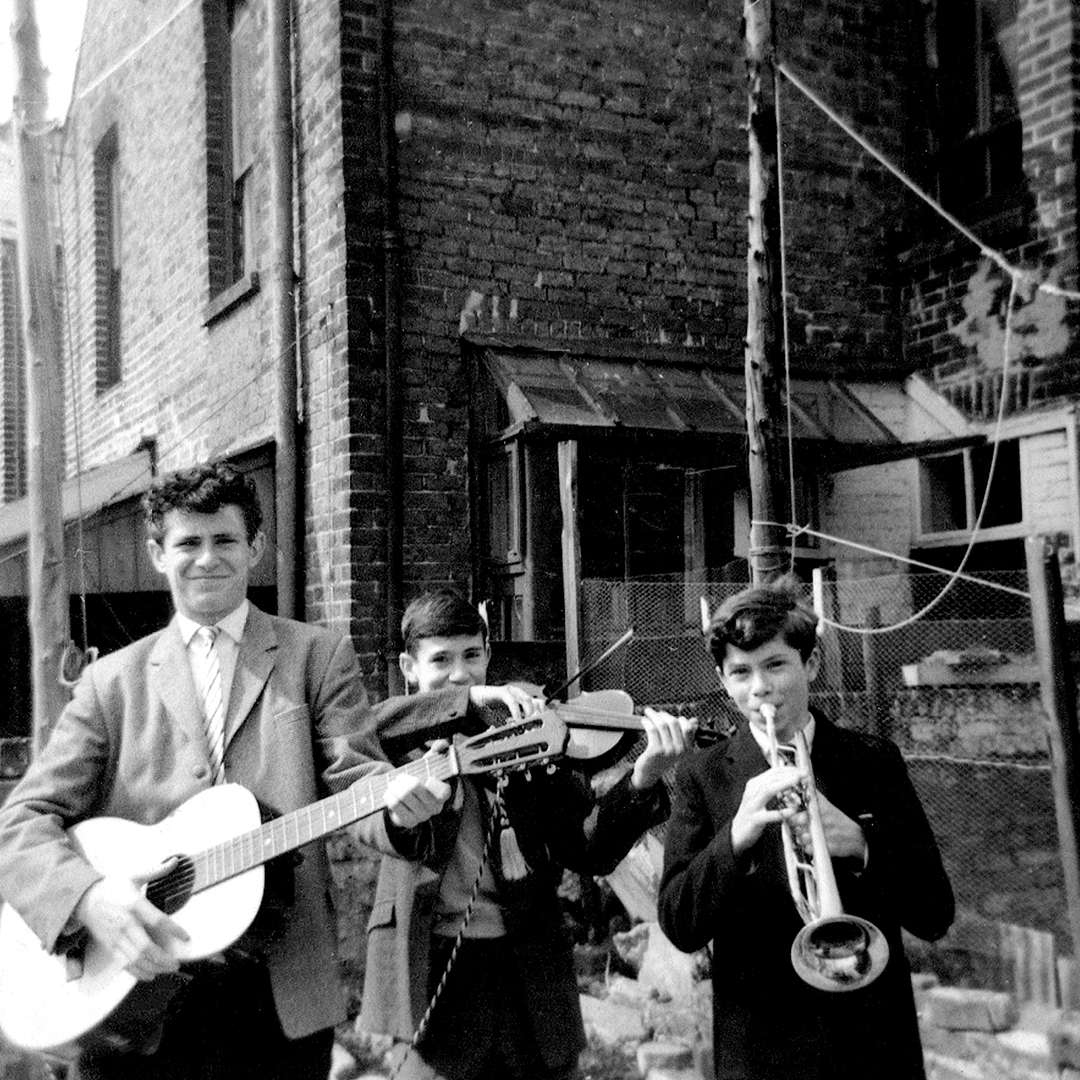
back garden, 1961. (Courtesy)
The Times of Israel spoke with Shulman, who lives in New York City, ahead of the book’s release. This conversation has been edited for clarity.
The Times of Israel: What inspired you to write a book?
Derek Shulman: My friend Jack Schwartz, who was book editor at The New York Times, would listen to my escapades from the business and said, “You should write a book.” I started it, but would get distracted, then COVID hit. I actually had COVID very early — I was isolated in my bedroom for six weeks. All I had was [then-]Governor [Andrew] Cuomo on my TV and my laptop. Opening the book [with my father’s death] was probably because I had COVID. My [daughter-in-law’s] father had COVID at the same time and died, so I hate to be morbid, but death was on my radar.
That opening story did color my life in many ways, guiding me morally with what I should and should not do with my life.
If someone has heard of, but has never actually heard Gentle Giant, what should they listen to first?
“The Power and the Glory.” Musically, lyrically, the band was at their top as a band, both personally and commercially. It was also an easy album to make — we had finally gelled as a unit. And the lyrics still ring true, about the uses and abuses of power.
I’m glad you bring up the lyrics. As you’ve been remastering a lot of the old work, is there one song where you listen back and think, “Gee, I had to sing that every night?”
Yes, “Betcha Thought We Couldn’t Do It” from the “Giant For a Day!” album. It was supposed to be tongue-in-cheek, a parody of punk, but when I listen to it now, it makes me cringe. It’s just a bad lyric on a bad song.
Gentle Giant was known for complex, difficult work. Was there one song that when you would play it live, you had to keep your fingers crossed that you wouldn’t screw it up?
No. We were very well rehearsed. When I was in the group, and same with Simon Dupree and the Big Sound, we had a strong work ethic. We made sure that what we presented to the audience was down pat. Sure, there are always fluffs, but when we didn’t tour, we rehearsed or were in the studio. No vacation or breaks. The hardest piece was excerpts from “Octopus,” where we took the whole album as a 20-minute segment, switching instruments, using recorders and violins, I would play bass. [Nailing that] choreography, but also having fun, it was difficult.
Things did go wrong, though. Like when the wires from Gary [Green]’s guitar, after I handed my bass over to Ray [Shulman], I tripped and his poor Les Paul fell onto the stage and broke in two. That was a $50,000 Les Paul. That’s the kind of thing that would go wrong.
There was a brief moment when prog rock was huge, and groups like Emerson, Lake & Palmer and Yes and Genesis sold out football stadiums. Gentle Giant was a success by any measure, but not quite at that level. How would your music have been different if you were at that level of popularity?
We didn’t know what “prog” was, or that it was even a thing. We were sequestered in Portsmouth, and we were just a band — the Shulman brothers, our keyboardist, Kerry Minnear, who had a degree in composition. Ray [Shulman] was a classically trained violinist. We all loved jazz and R&B and soul, but we were never going to be a commercial hit. We tried at one point, and it was a failure.
I’m glad we didn’t have hits, in retrospect, because I’ve seen what happened to other artists. We were always true to ourselves and did not follow anyone. Our body of work is still vital. If you drift into success, you can be cajoled to try and maintain making hits. I had that with my first group, and it was a millstone around my neck.
Your inside view of the music business in the 1980s and 1990s and early 2000s is fascinating, especially because it is so different today in the time of streaming.
It’s all based on analytics, and most of the music you hear is computerized. It’s derived from an analysis of what a computer says is ear candy. For the last 25 years, either in rock or pop, only a handful will be remembered in 50 years, whereas here I am sitting in front of you all these years later. We can still sing songs by The Beatles. We remember every damn word — even Gen Z will know them. Today’s world? It’s completely different for musicians. It used to be musicians had to play, had to write their own songs, had to be authentic, and you had to build a real audience, not a TikTok audience, who would come and see your music.
How does a new artist even make money these days?
Touring. And that was key when we were starting, but it wasn’t about being rich and famous, it was about having fun. And if you were good, you got paid and were able to make a living. Unfortunately, there’s a sense of entitlement now with the younger generation, where you can sit at your computer, make music, put it on YouTube and TikTok, and feel you are entitled to get wealthy. Well, no, you are not.
Your stories about the music industry are wild, with its ubiquitous presence of cocaine and prostitutes. Is it still like that, or has it calmed down?
I don’t think it’s quite the same. There are aspects of it, especially in the EDM world, which I’m not particularly interested in. But in the larger music business, it’s not that kind of business anymore. It’s one where you are not even seen, you are on a screen on a computer. When you go to a record company, you see kids and young adults sitting around computers looking at the analytics of Spotify and Apple Music. It just doesn’t make sense to me.
Will the pendulum switch back to authenticity?
Yes, and I think it’s coming soon, especially because of the AI situation. If I could bet on something, bet on a band like The Beatles who sing well, play well, who write their own music without bells or whistles or fireworks — a blank stage with microphones and a drum kit. A band that could do that right now and do it well would be massive.
Hey, Oasis just came back and had a huge, though short, tour.
Oasis are not my favorite, they take themselves too seriously.
I am fascinated by the split in your career, the very complicated music of Gentle Giant, which mixes classical and jazz and rock and folk, and then your time as an executive finding music that was — and I don’t mean this in a negative way — much simpler. Bon Jovi, Cinderella, “Thunderstruck” by AC/DC. I want to know about your personal taste.
Bands that I personally signed or nurtured were bands that were authentic. They did their own thing. Pantera, for example. I saw them at a club with 200 kids when I was president of ATCO Records. Within three songs, I was a fan. I almost jumped into the mosh pit. I knew there was an “it.” I feel it in my gut when they are not trying to be anyone else, whether it is rock or pop or hip hop.
Jon Bon Jovi looked at me and said he wanted to be bigger than Elvis Presley. You look at him when he says this and think he’s going to crack up. No. He wanted to be bigger than Elvis. He had blinkers on. This kid was going to do everything in his power to be as big as possible.
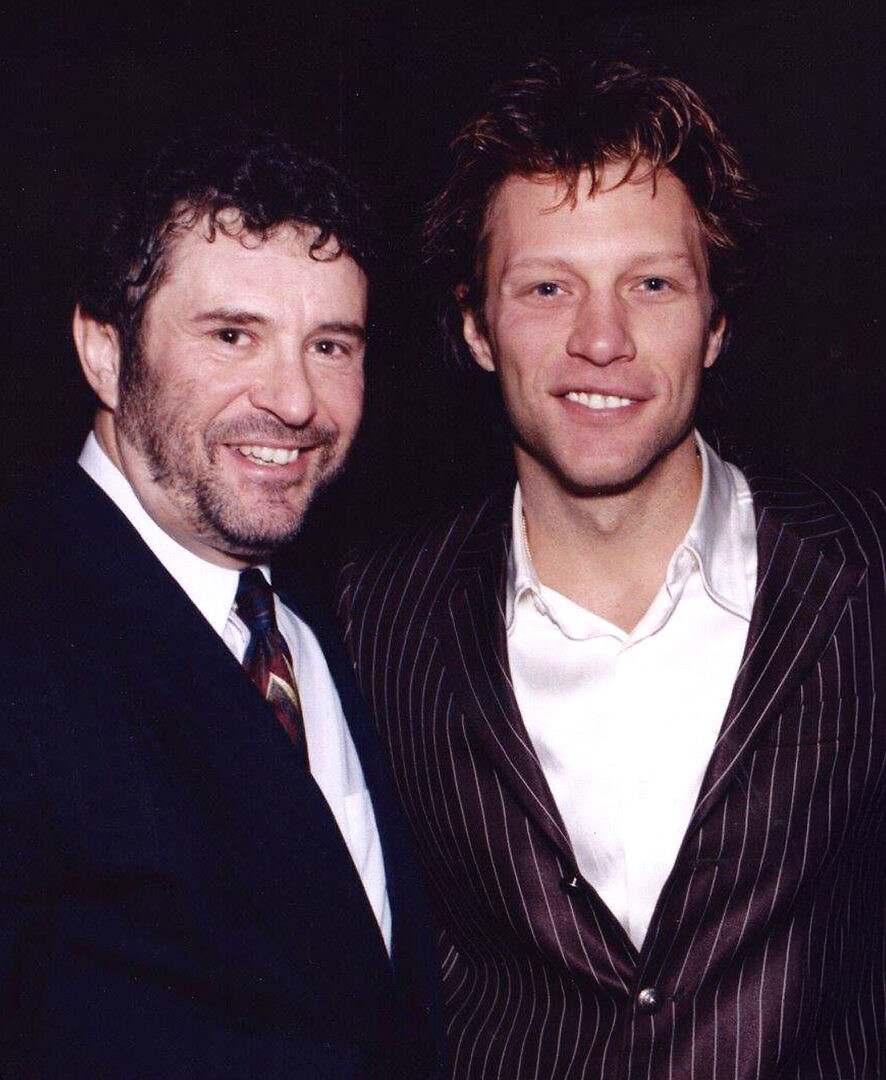
When hardcore Gentle Giant fans cross their arms and think Bon Jovi is too commercial, what do you say?
Like whoever you like, it’s fine by me. I love all kinds of music. Classical, hip hop, ABBA, I love it all if it is good.
And then you signed Dream Theater, which has some commonalities with Gentle Giant.
Mike Portnoy came into my office with a tape of four tracks with no vocals, but we did a development deal for six months. They came back with the song “Pull Me Under.”
Another innovative band I thought would have similar success was The Dan Reed Network. They should have been one of the biggest acts I signed, a funk-rock band from Portland that was multiracial, one of the best live acts you ever saw. [Sometimes] it’s just luck or timing and having a label that prioritizes you, championing you through minefields.
You wrote a little bit in your childhood about experiencing antisemitism in school, but that topic surprisingly didn’t come up when you entered the British rock scene.
In Portsmouth, there were maybe 200 Jewish families. At school, they would separate six of us each morning during morning prayers. 2,000 boys, six excused; three Jews and three Jehovah’s Witnesses. All the heads would turn. It was very unusual. But the kids didn’t even know what being Jewish meant. They would ask me if, when I turned 13, if I would get £10,000, silly things like that. So I felt like an outsider, but also within the Jewish community because my father was a jazz musician and we had no money. The Jewish community in Portsmouth were mostly business owners.
With the group, it was something that I was “on top of.”
You write warmly about your time recording with Simon Dupree at Abbey Road and how many of the other acts were supportive, but you aren’t shy about sharing which other bands you met were jerks — like The Beach Boys or The Eagles. Or Syd Barrett from Pink Floyd spilling the beans on your secret recording of “We Are The Moles.” You didn’t mention Roger Waters of Pink Floyd, who is a bit of a controversial figure.
About five years ago, I was asked to debate Roger Waters, and I declined. The guy is completely antisemitic. Not anti-Israel — antisemitic, 100 percent. He also has no idea what he’s talking about with history, or the situation that’s been going on for hundreds of years in that region. I can speak about it, because I had a home in Israel, in Jerusalem. We sold it several years ago, but I know what it is like to live there with the threat of extinction from every damn side. This guy has no clue. So I did not debate with him. I don’t like his rhetoric, I think it’s awful.
Now, I’m not a big fan of what is happening currently in the Middle East. But I’m not living there. I can’t make judgmental calls.
We interacted quite a bit with Pink Floyd in the early days. In addition to the story in the book with Syd Barrett, I remember when EMI gave them a big advance and we saw them perform at the UFO Club, when they had these gigantic amplifiers and color wheels behind them. They were not that good live. They became great over time.
Many bands won’t perform in Israel. Some truly wish to boycott, while others — and I personally know of one successful group this applies to — would like to go there but have been urged not to because of blowback. Does this concern you?
Yes. It’s become a thing, especially in colleges. It’s terrible. These kids have no knowledge of what and how things developed. Young people have been stoked into thinking Israel is some renegade and awful place, when it is not. So now there are bands saying they will not go there.









The Times of Israel Community.