

Leaders sound alarm, vow to up pressure after North Korea missile test
UN Security Council to meet on launch described as longest-range missile yet; Trump speaks to leaders of Japan and South Korea, warns of ‘grave threat’
 Add ToI as a Preferred Source on Google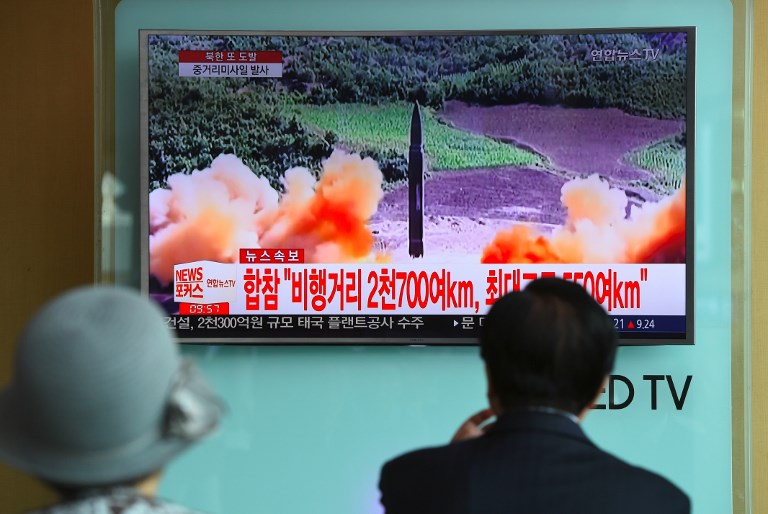
The UN Security Council will hold an urgent meeting Wednesday to discuss North Korea’s latest launch of an intercontinental ballistic missile, the US mission to the United Nations said, as leaders warned they would up pressure on Pyongyang in response to the test.
The United States, Japan and South Korea moved quickly to request the meeting to address Pyongyang’s launch of the ICBM which the Japanese defense ministry said probably fell within Japan’s exclusive economic zone. US officials described the test as possibly the longest-range missile yet fired.
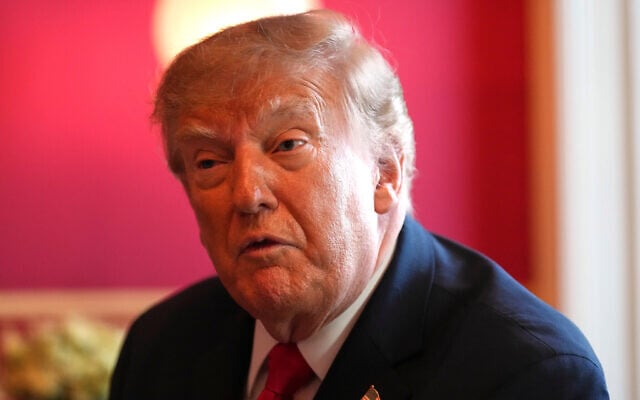
US President Donald Trump held phone separate calls with Japanese Prime Minister Shinzo Abe and South Korean President Moon Jae-In, warning that Pyongyang’s latest ballistic missile launch posed a “grave” global threat.
“Both leaders underscored the grave threat that North Korea’s latest provocation poses not only to the United States and the Republic of Korea, but to the entire world,” the White House said in an account of a crisis call between Trump and Moon.
In the call with Abe, the White House said the two agreed Pyongyang’s “provocative actions are undermining its security and further isolating it from the international community,” a White House statement said.
The launch on Wednesday was the first ballistic missile test in more than two months, ending a lull that some diplomats said had opened a window of opportunity for diplomatic talks.
It was also the North’s third successful test of an ICBM which has the range to reach the mainland United States, although experts caution Pyongyang may have not yet mastered the full technological capability.
The Pentagon said its initial assessment showed that the ICBM flew about 1,000 kilometers (620 miles).
Japanese Defense Minister Itsunori Onodera told reporters that the missile had flown for 53 minutes “at an altitude far above 4,000 kilometers.”
“We have not received any reports of damage to airplanes or vessels operating near the area,” said the minister, adding that the missile was fired “at a lofted trajectory.”
US Defense Secretary James Mattis said the launch was the highest-ever for North Korea, indicating a longer trajectory.
US scientist David Wright said that based on initial reports on the altitude and duration of the test, it appeared to be North Korea’s longest-range test yet. If flown on a standard trajectory rather than at a lofted angle, the missile would have a range of more than 13,000 kilometers (8,100 miles), said Wright, a physicist at the Union for Concerned Scientists.
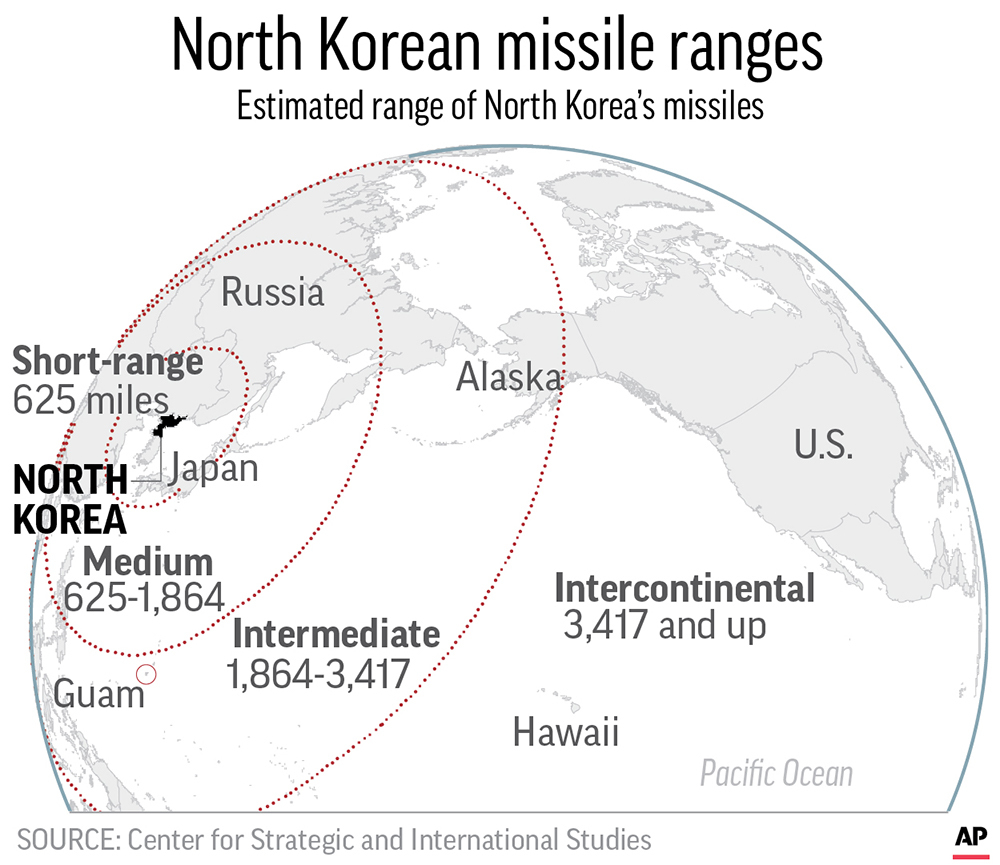
That would put all of North America, Asia and Europe in range.
Mattis said North Korea is continuing to build missiles that can “threaten everywhere in the world.”
Seoul’s Joint Chiefs of Staff said the US and South Korean militaries were analyzing the launch data from the missile. It said it traveled a distance of 960 kilometers (600 miles) and estimated the apogee at 4,500 kilometers (2796 miles).
In response to the North Korean test, it said South Korea conducted a “precision-strike” drill, firing three missiles, including one with a 1000-kilometer (620-mile) range, to accurately hit a target that stood for the North Korean launch site.
South Korean President Moon Jae-in called North Korea’s latest missile test a “serious threat” to global peace and stressed the need for stronger sanctions and pressure against Pyongyang to discourage its nuclear ambitions.
Moon said Wednesday at a National Security Council meeting that the South will not “sit and watch” North Korea’s provocations and will work with the United States to strengthen its security.
Japan’s prime minister called the launch a “violent act” that “can never be tolerated.”
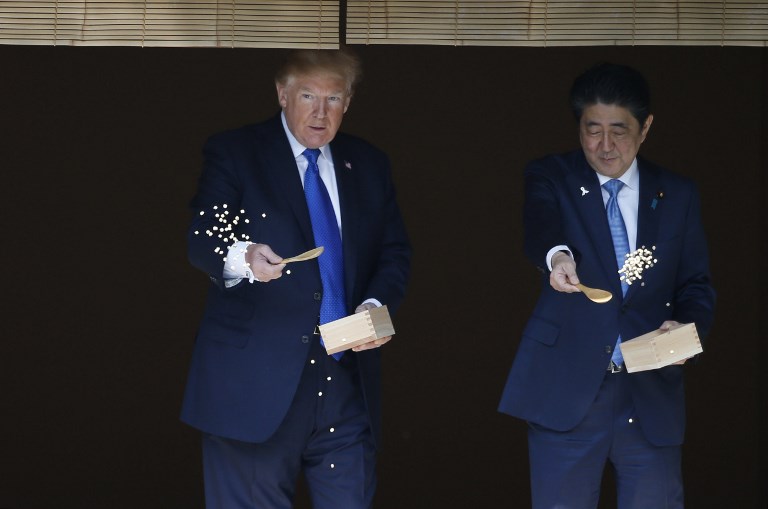
“We will never yield to any provocative act. We will maximize our pressure,” on Pyongyang, Shinzo Abe told reporters.
By launching the missile, North Korea has ignored the international community’s “united, strong will toward a peaceful solution,” said the prime minister.
“The international community needs to perfectly implement sanctions, in unison.”
In Washington, Trump told reporters the United States will “take care of it.”
“It is a situation that we will handle,” he said. He did not elaborate.
White House press secretary Sarah Sanders tweeted that Trump was briefed on the situation “while missile was still in the air.”
Trump has ramped up economic and diplomatic pressure on the North to prevent its development of a nuclear-tipped missile that could strike the US mainland. Thus far, the pressure has failed to get North Korea’s totalitarian government, which views a nuclear arsenal as key to its survival, to return to long-stalled international negotiations on its nuclear program.
The Security Council will meet in open session from 4:30 p.m. Wednesday.
The council was already scheduled to discuss progress in implementing three recently-adopted rounds of sanctions aimed at choking off revenue to Pyongyang’s military programs.
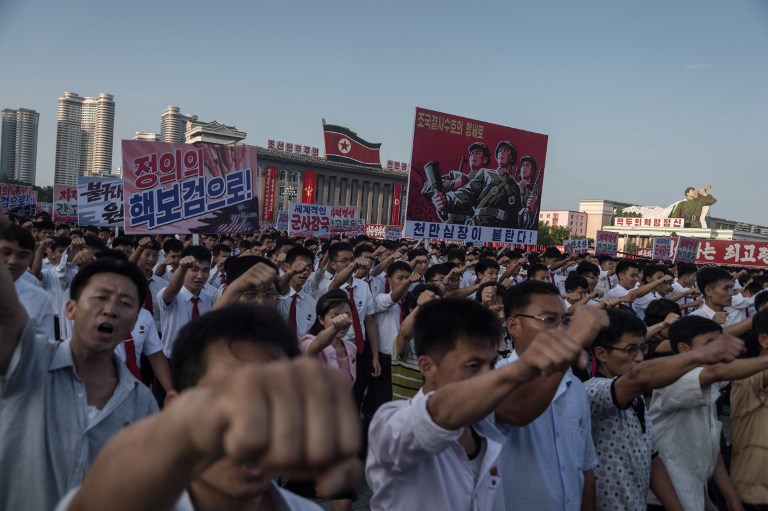
Since November last year, the council has slapped export bans on coal, iron, lead, textiles and seafood, restricted joint ventures and blacklisted a number of North Korean entities in response to the country’s missile and nuclear tests.
It has also banned the hiring of North Korean guest workers and capped oil exports, in particular from China, Pyongyang’s main trading partner.
Under UN resolutions, North Korea is barred from developing missiles and a nuclear weapons capability but Pyongyang argues that the arsenal is needed for self-defense against the “hostile” United States.
Speaking in Washington, US Secretary of State Rex Tillerson called for “additional measures” to toughen up sanctions, including allowing countries to intercept vessels carrying goods to and from North Korea.
Wednesday’s launch came as the US discussed with South Korea next steps on North Korea. The South’s top nuclear negotiator, Lee Do-hoon, was in Washington for talks with Joseph Yun, the US envoy for North Korea policy.






The Times of Israel Community.