

 From the Liveblog of
Friday, December 19, 2025
From the Liveblog of
Friday, December 19, 2025
Israel rejects IPC report of ‘acute food insecurity’ in Gaza as ‘distorted, biased’
 Add ToI as a Preferred Source on Google
Jeremy Sharon is The Times of Israel’s legal affairs and settlements reporter
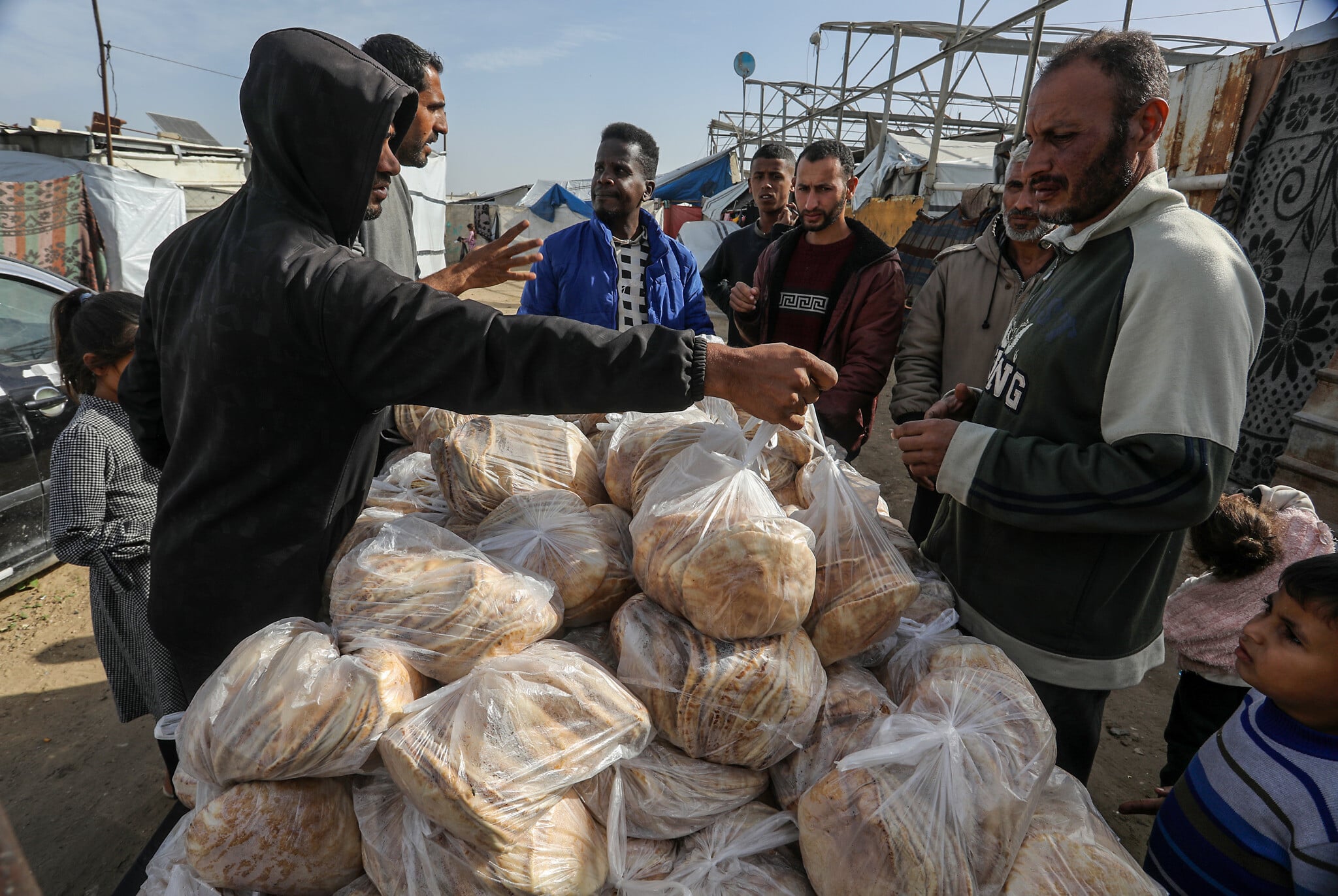
Israel’s Coordinator of Government Activity in the Territories says in response to an IPC famine monitor report on the humanitarian situation in the Gaza Strip that it shows the organization acknowledges there is no famine in the territory.
But COGAT, a department of the Defense Ministry, also rejects the new IPC report’s claim that “acute food insecurity’ prevails in the territory, stating that 500,000 tons of food have entered Gaza since the current ceasefire with Hamas began.
“COGAT strongly rejects the claims and conclusions presented in the IPC report published today (Friday), which once again portrays a distorted, biased and unfounded picture of the humanitarian situation in the Gaza Strip,” the agency says of the new study.
“The report relies on severe gaps in data collection and on sources that do not reflect the full scope of humanitarian assistance. As such, it misleads the international community, fuels disinformation and presents a false depiction of the reality on the ground,” it charges.
COGAT points out that between 600 to 800 aid trucks have been entering the Gaza Strip every day since late October, 70 percent of which carry food aid.
“In this context, nearly 30,000 food trucks carrying more than 500,000 tons of food entered the Gaza Strip throughout the ceasefire period,” the agency says.
IPC, a key famine monitoring organization connected to the UN’s Food and Agriculture Organization, determined that famine had broken out in Gaza in July and August, and predicted famine conditions would persist until the end of September.
Data from the Nutrition Cluster organization showed, however, that although high malnutrition rates were very high, they were 23 percent lower than famine levels.








The Times of Israel Community.