

On shifting ground, Jerusalem’s FeelBeit center offers home for Israeli-Palestinian art
Co-directors of Jerusalem arts hub located on seam between East and West Jerusalem talk about new program ‘Shift’ and the complexity of the last two years
 Add ToI as a Preferred Source on Google
Jessica Steinberg, The Times of Israel's culture and lifestyles editor, covers the Sabra scene from south to north and back to the center
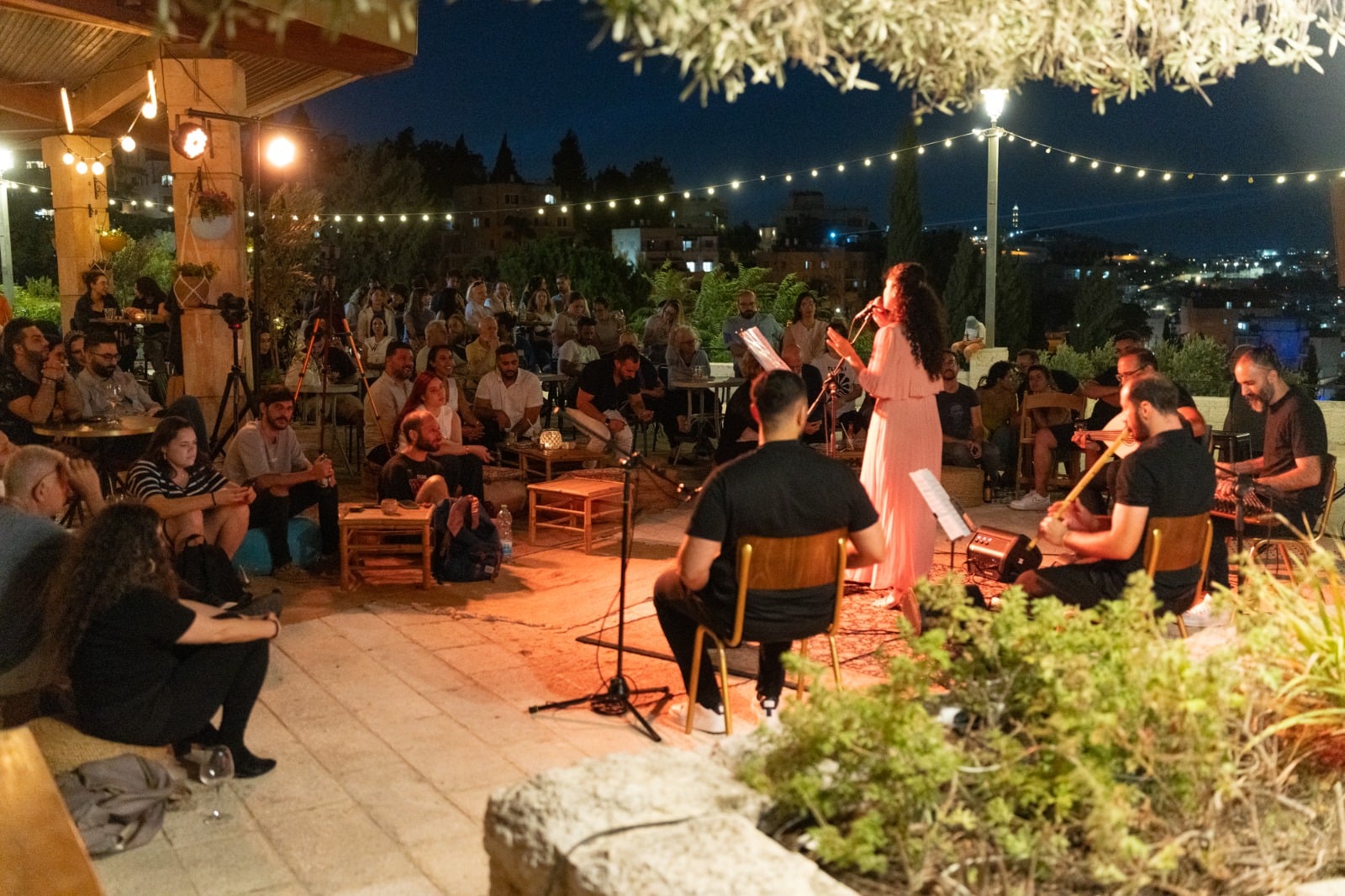
FeelBeit, an Israeli-Palestinian arts house located in Jerusalem, is currently hosting “Shift,” its annual series held during the peak of the summer, August 4 to 23.
The name is a play on words: “Beit” means home in both Hebrew and Arabic. In Arabic, “FeelBeit” also sounds like “At Home.” The three-week program comprises original co-creations between Israelis and Palestinians, including musical performances and conversational events.
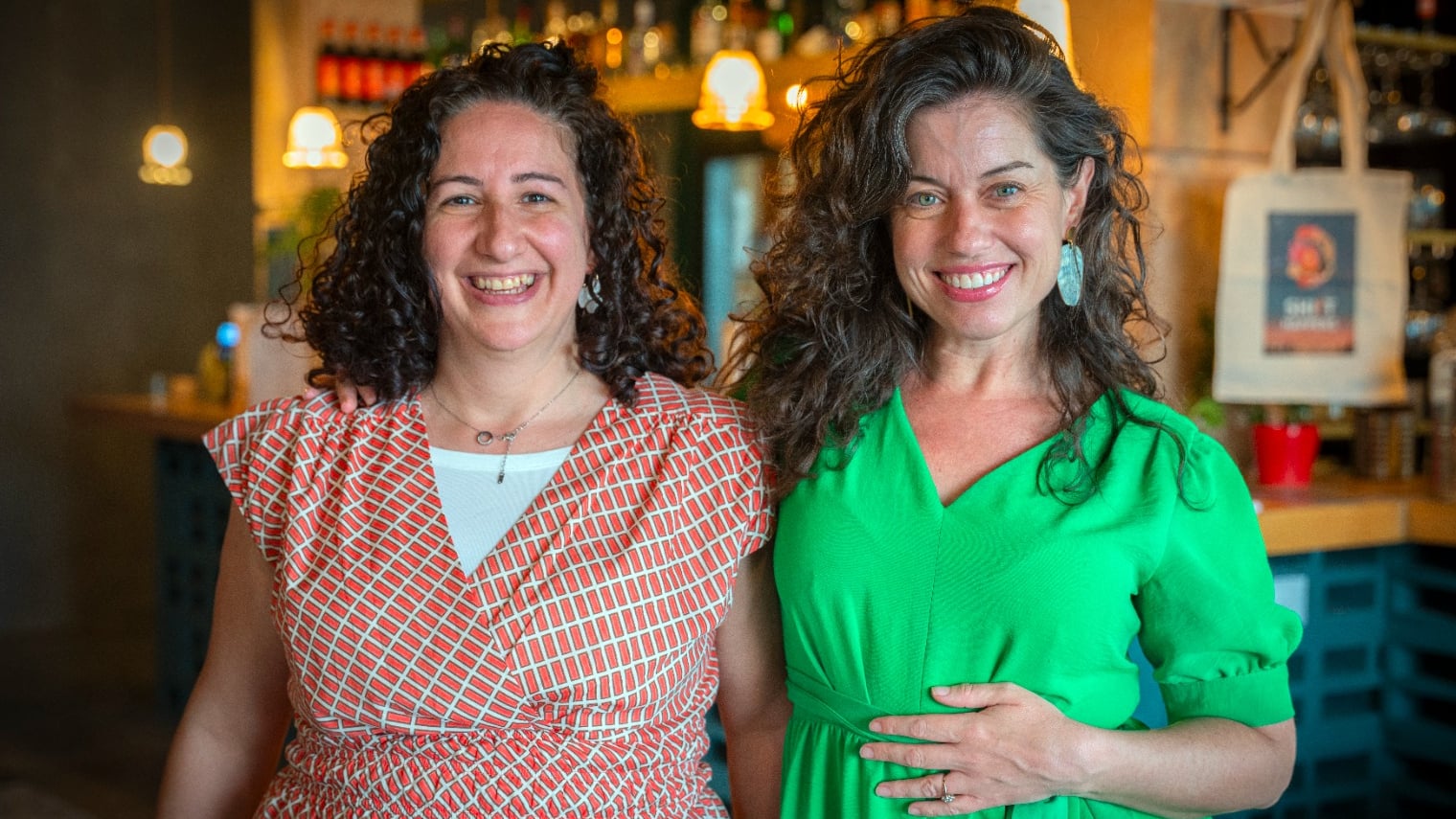
“People are coming and it’s kind of surprising, but the longer we do it, the more it seems that there are people on both sides that kind of need this, a place to breathe and insist that they want something better,” said Karen Brunwasser, the Israeli who co-directs FeelBeit with her Palestinian colleague, Riman Barakat.
When Hamas terrorists attacked Israel’s south on October 7, 2023, the directors at FeelBeit weren’t sure they would be able to continue operating. They couldn’t imagine that their Israeli and Palestinian audiences would ever want to share the same space again.
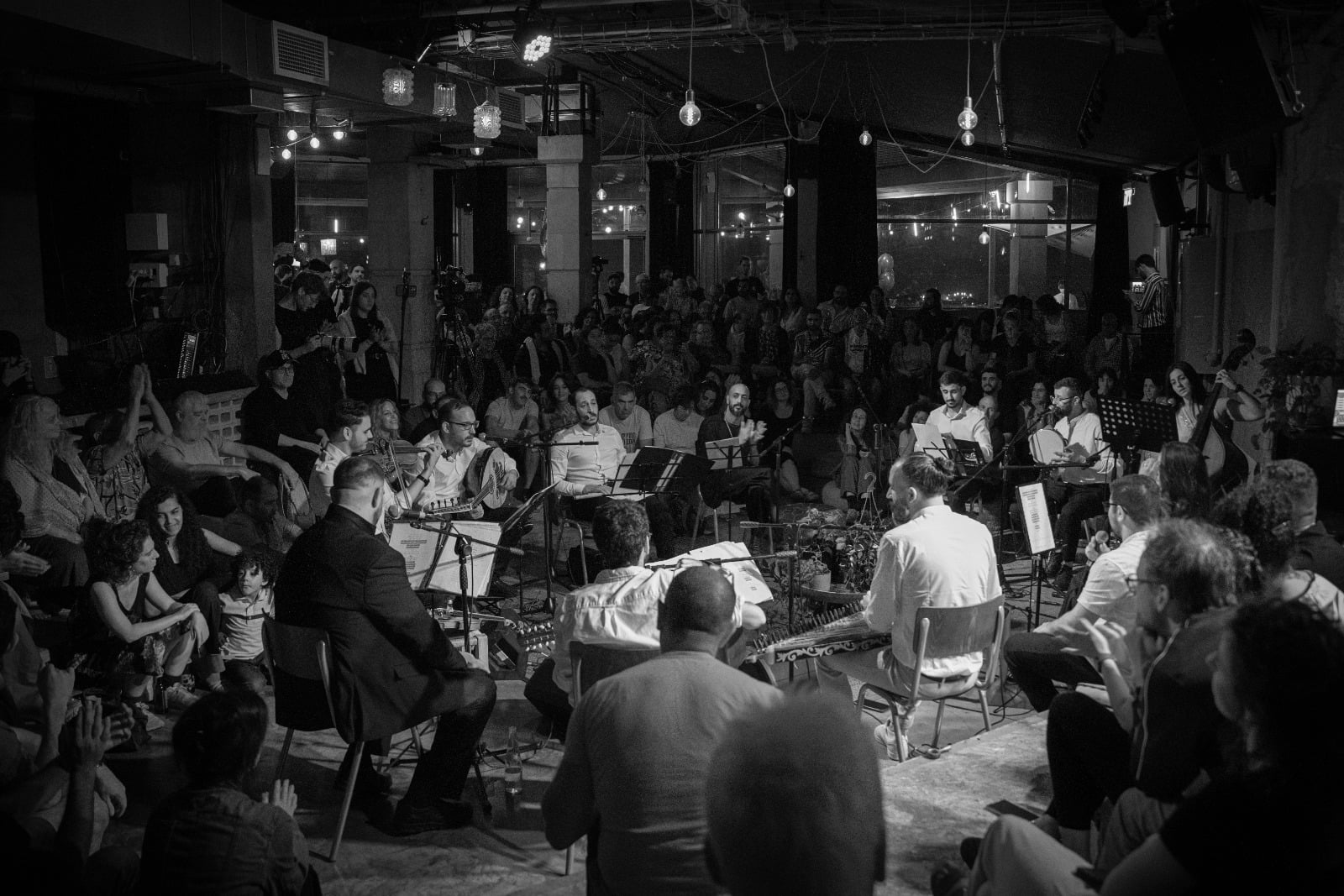
Nearly two years later, the art space and incubator located in Abu Tor, a neighborhood on the seam between East and West Jerusalem, has drawn some 20,000 people in total since October 7. They have invited hundreds of artists from Jewish and Palestinian backgrounds who perform side by side.
It seems counterintuitive that the project has actually had a more prominent presence in the last two years. Yet there is a strong sense in Jerusalem that Arab and Jewish lives are intertwined, said Barakat.
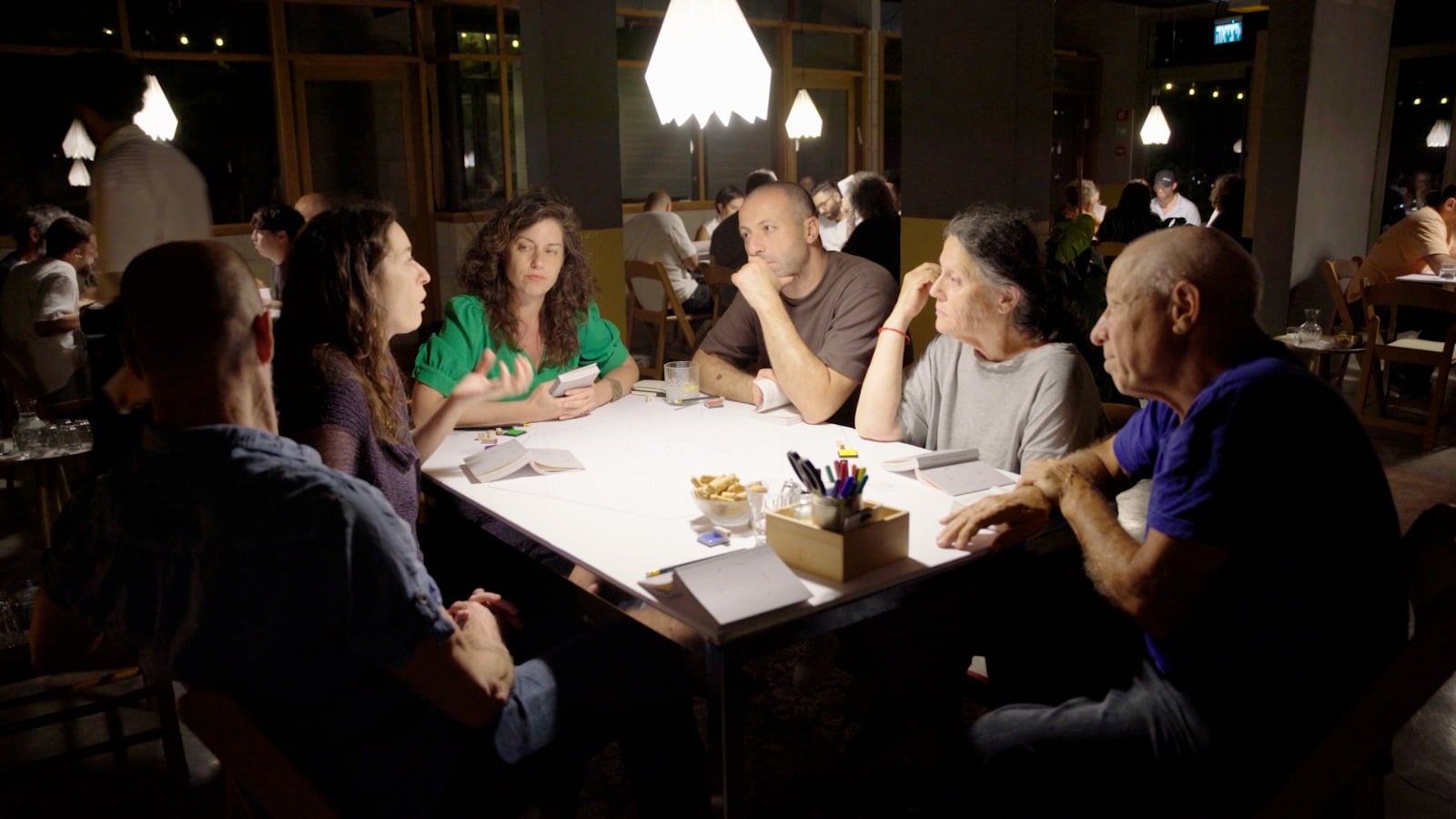
“We’re a model that allows for different identities, even though they could be conflicting, even with liberal and traditional crowds,” said Barakat, who lives in Beit Hanina, a Palestinian neighborhood in the city’s East. “FeelBeit is a place where all those identities can be together.”
Like all FeelBeit events since October 7, “Shift” is not a festival, but rather a series of co-creations named for the overwhelming sense that the ground has constantly been shifting in recent months, said Brunwasser.
The series has included single-day residencies featuring several artists from different disciplines, who then presented their works at night, as well as a musical performance every Thursday night.
Big-name musicians are participating, including Nour Darwish and Ravid Kahalani with Yehia Suliman, as well as Murad Khoury, Mayu Shviro, Louay Khleif, Roni Iwryn, and Nur Bar-Goren.
“I think there is a type of person right now who can distinguish between the people who are enemies and the people who are partners,” said Brunwasser.
Brunwasser has been part of FeelBeit since it grew out of the Mekudeshet organization and the Jerusalem Season of Culture, which used original art and musical events as a bridge between the city’s diverse communities and was partially funded by the Schusterman Foundation.
Barakat formerly worked in track two diplomacy between Israel and the Palestinians, and has been at FeelBeit for the last decade, working with Brunwasser to transform the organization from an Israeli Jewish non-profit to one that is fully half Israeli and half Palestinian.
“We went on a journey in the organization, and it took a lot of effort to build trust to get artists and audiences,” said Barakat. “It took years and years of trying to understand that being accessible to the Palestinian community means not just translating [from Hebrew to Arabic] but that the content must speak to the Palestinian community and they need to own it as well.”
FeelBeit is located in a stand-alone building with a generous balcony overlooking the Old City, Abu Tor and the Arab neighborhood of Silwan, at one end of the Haas-Sherover Promenade.
The shock and trauma of October 7 threatened the organization’s very existence, said Brunwasser and Barakat. Staff members and participants on both sides, Israeli and Palestinian, lost family and friends on October 7 and in its aftermath.
In the first weeks of the war, the FeelBeit team was on unpaid leave but met for lunch meetings.
Later on, they invited people from the communities of East and West Jerusalem, participants from previous events, peace activists, and neighbors, and had raw conversations about what was happening around them.
They eventually found their way to different kinds of performances and events, ones that drew audiences and artists who didn’t want to give up on what had been created at FeelBeit.
Last summer, FeelBeit’s peak summer period coincided with the discovery of the six murdered hostages in a Gaza tunnel, including Hersh Goldberg-Polin, a 23-year-old Jerusalemite who they imagined would have been part of their audience.
They debated whether to continue with an event, and canceled a dance performance scheduled for the terrace at the hour when family members of the Goldberg-Polins, some of whom live across the street from FeelBeit, would have been returning from the funeral.
“We tried to be hyper-sensitive and tell artists as well,” said Brunwasser.
They’ve been operating that way since October 7, slowly finding their way in this new reality. And perhaps, in a way, they’ve always been this way.
“A lot of what we do at FeelBeit has taken us years to figure out how to do it, how to create a space that can illuminate the blind spots,” said Barakat. “It’s co-created from A to Z with equality of rights and responsibilities, so there are all sorts of things that Israelis wouldn’t notice and vice versa.”
It’s done, said Barakat, by “actually, actually doing it together,” she said.
It’s not a process that can be accomplished by Israelis inviting Palestinians or Palestinians inviting Israelis, said both women.
Barakat said they’re demonstrating to others how to do what they do, and recently hosted a group of cultural leaders from Arab towns in Israel, showing them FeelBeit and their curriculum of culture in Jerusalem.
“You truly figure it out together,” said Barakat. “It’s the result of reaching out and making mistakes and a whole bunch of constant learning, with a constant finger on the pulse.”
For more information about “Shift” and FeelBeit events, go to the FeelBeit site.





The Times of Israel Community.