

Rights group slams official’s defense of Shin Bet questioning of Israel critics
ACRI says Deputy AG issued ‘shameful’ document defending the agency after criticism over border detainment and interrogation of liberal US Jews and other government opponents
 Add ToI as a Preferred Source on Google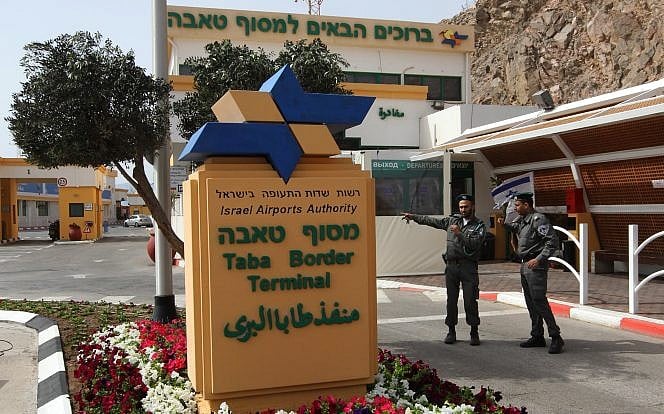
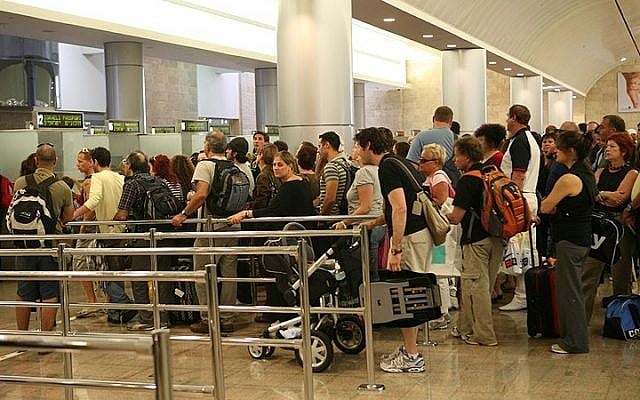
A civil rights group on Friday excoriated one of Israel’s top law enforcement officials for defending the Shin Bet security service’s detention and questioning of Israel critics at the country’s borders that sparked widespread criticism and a government inquiry.
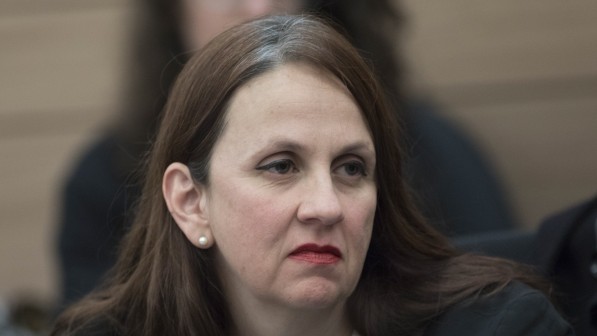
Dan Yakir, chief counsel for the Association for Civil Rights in Israel (ACRI), described the letter from Deputy Attorney General Dina Zilber, who conducted an inquiry into the incidents, as “one of the most shameful and dangerous documents ever issued from one of the state authorities.”
Zilber’s letter also stated the Shin Bet would no longer ask detainees at border crossings about their political views and that regulations to that effect would be reiterated to officials at the borders.
“Apparently, the Shin Bet believes that participation in a demonstration or a tour in the West Bank constitutes an existential threat to the State of Israel. And the Attorney General, instead of being angry at this, has adopted it,” charged Yakir.
“The Shin Bet has decided to define these activists as suspects of terrorist or violent acts [sic], all in order to circumvent the restrictions that the High Court of Justice had imposed on ‘warning conversations’.”
Yakir also noted that the only case in which the Shin Bet admitted an error had been made was the detention and question of prominent American journalist and Israeli government critic Peter Beinart.
“Apparently, only when it comes to the political persecution of an American journalist capable of damaging the image of Israel, someone is willing to admit they made a mistake,” said Yakir. “This only goes to prove the claim that we are talking about political persecution, which aims to threaten the critics of the occupation inside and outside Israel.”
One of Israel’s top law enforcement officials said Thursday the Shin Bet security service would no longer ask detainees at border crossings about their political views and that regulations to that effect would be reiterated to officials at the borders, while defending the agency’s detentions and questioning of Israel critics that sparked criticism and a government inquiry.
Zilber’s letter Thursday to the ACRI came at the end of a month-long inquiry after complaints about the detentions were lodged by the organization and other NGOs.
“It should be made clear that the questioning carried out by the Shin Bet in these situations was not intended to interfere with [political] protest activities, but to prevent violent and illegal actions carried out from nationalistic motives or in relation to terrorist groups,” Zilber wrote.
The questioning at the border was “based on intelligence information that raised concerns, and was unrelated to the political identification or affiliation of the questionee,” Zilber said, defending the Shin Bet’s actions.
However, the letter goes on to acknowledge that some Shin Bet and border officials behaved in ways that did not conform to the legal and policy restrictions placed on such questioning — including notifying the detainee that their questioning was voluntary, and avoiding questions about their political views.
“It was decided therefore, in agreement with the Shin Bet, to refresh the [officials’ knowledge of the] regulations among the relevant authorities, and to establish oversight mechanisms in the relevant regulations related to such questioning, in a way that will ensure the appropriate balance between avoiding the potential harm to [a detainee’s] rights, the prevention of a ‘chilling effect’ [for activists], and the requirements of security,” Zilber wrote.
The Shin Bet “is committed to the letter of the law and understands the sensitivity and delicacy that this issue requires,” she said.
In an appendix to Zilber’s letter, the agency said it received no orders from the political leadership to begin questioning “extremist activists from either left or right.”
It said it had denied entry to Israel of 17 foreigners who were identified as affiliated with the radical left since the start of 2018, the same figure for the same period in 2017.
“The Shin Bet is well aware of the context in which it is operating and the sensitivity of each questioning. The Shin Bet carefully and specifically considers the need for each questioning,” the agency said. “The questioning is not meant to prevent legitimate protest activities,” it added.
It said its questioning is part of an effort to track organizations and activists working to “convince Israelis and Palestinians to travel to sites with a high potential for friction, and to engage in violent actions there against Jewish residents and the security services”
The letter from Zilber and the Shin Bet follows a month-long inquiry into the questioning taking place at Israel’s border crossings after American Jewish journalist and prominent critic of the Israeli government Peter Beinart said he was questioned on his political views upon arriving in the country for his niece’s bat mitzvah last month.
Beinart said he arrived in Israel with his wife and two children to attend his niece’s bat mitzvah celebration, and that security officers at the airport flagged him for extra screening. He was taken for questioning, where an official repeatedly asked him whether he was involved in organizations that might instigate violence, promote anarchy, or threaten Israeli democracy.
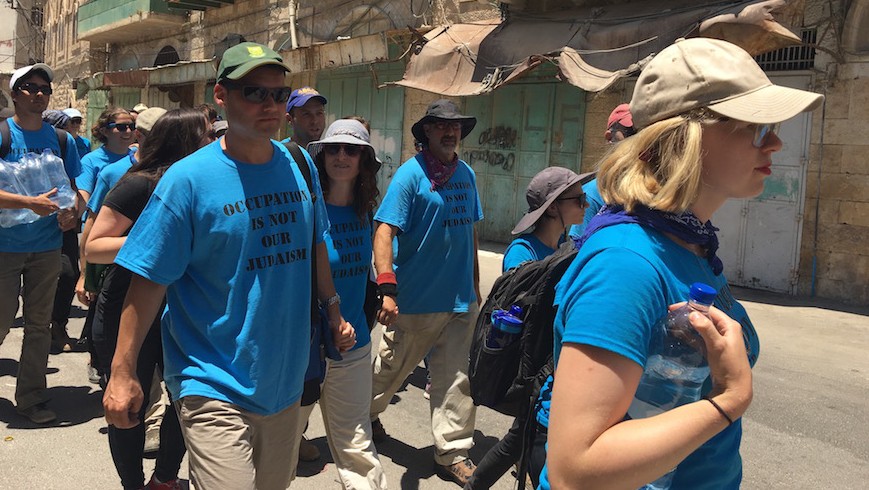
The interrogator also allegedly asked about a pro-Palestinian protest he attended in Hebron during his last visit, according to Beinart, who wrote about the experience in The Forward newspaper.
A supporter of calls to boycott Israeli settlements in the West Bank, Beinart said he was never asked about that issue, and was not offered a legal basis for the detention.
Prime Minister Benjamin Netanyahu condemned Beinart’s detainment, calling it an “administrative mistake,” and a number of left-wing Israeli figures called for an investigation into what some had suggested was a new Israeli policy of blacklisting liberal US Jews and critics of the government’s policies.




The Times of Israel Community.