

Bulldozers start razing 8 illegal Ofra settlement homes; 8 cops lightly hurt
Demolition of houses built on private Palestinian land comes after operation to clear protesters from the buildings
 Add ToI as a Preferred Source on Google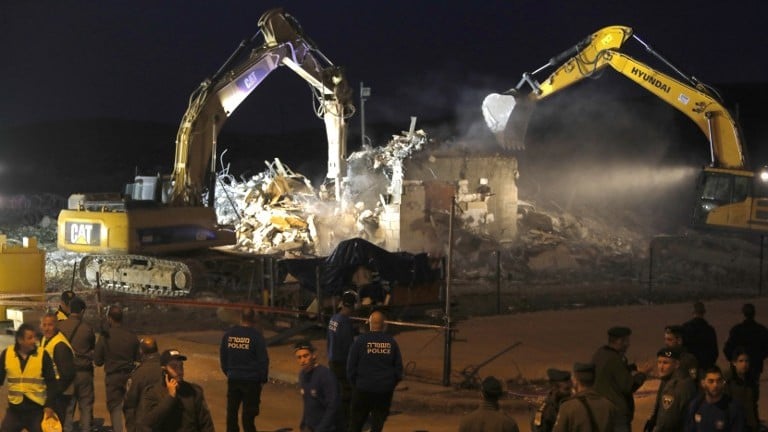
Police bulldozers began demolishing eight buildings built on private Palestinian land in the West Bank settlement of Ofra on Tuesday evening, after a nearly day-long operation to remove right-wing protesters from the houses.
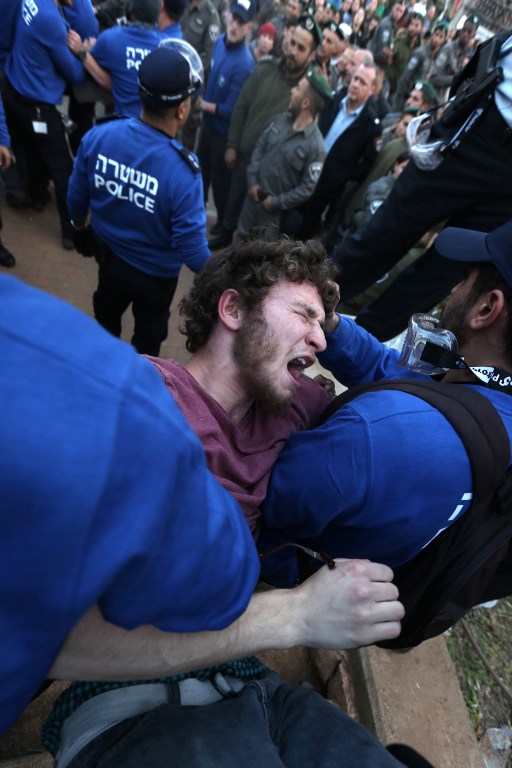
Eight police officers were lightly hurt in scuffles with demonstrators.
The eight homes, emptied of protesters, were cordoned off as bulldozers began dismantling them.
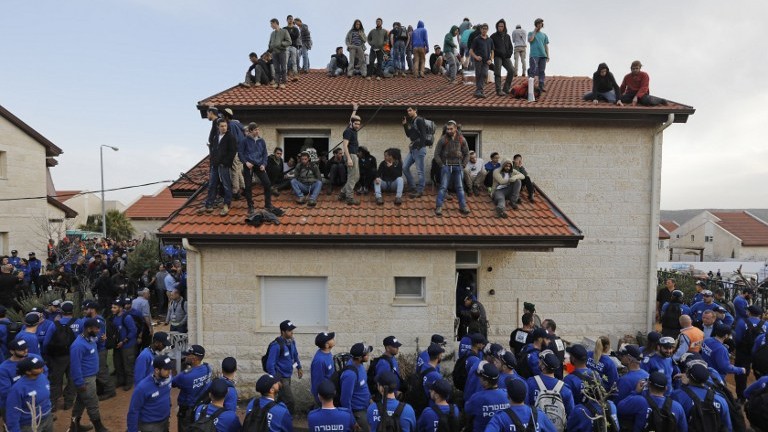
By evening, police had not cleared all the demonstrators from the top floor and the roof of a ninth structure. Due to the stiff resistance and large number of activists holed up in the final home, police used a hydraulic battering ram to force open the back door of house. An additional 100 officers were brought in to assist with the evacuation.
While many of the protesters agreed to leave peacefully, police said they sought the reinforcements after negotiations for the remaining demonstrators to leave the last house failed.
Five of the injured officers were sent to Hadassah Hospital Mount Scopus in Jerusalem for treatment. Four of them were already released and the fifth was expected to be sent home soon, a hospital spokeswoman said on Tuesday evening.
Police said earlier in the day that two of officers lightly wounded were bitten by demonstrators, while the rest were injured when they were struck in the head, chest and arms.
The operation to evacuate the homes came after the High Court of Justice struck down an appeal on Monday by residents of Ofra for the homes to be sealed rather than destroyed.
Hundreds of mostly unarmed troops, dressed in bright blue sweaters, faced off against the protesters, many of whom had barricaded themselves in some of the homes, climbing on roofs and calling on police to refuse orders to clear out the homes.
Police approached the owners of the nine buildings and explained they were “sorry, but just doing our jobs,” according to videos from the scene.
Officers then began bringing out the protesters from the houses one at a time, according to an AFP reporter in Ofra.
Police videos from the settlement show officers reasoning with protesters who refused to leave the buildings of their own accord.
Some of the activists were brought out on their feet, while others were carried away by police.
In that fashion, “hundreds of young men and women” were removed from the area, police said.
Other officers used bullhorns to tell the hundreds of protesters to refrain from violence.
Large posters hanging on many of the homes showed the families who had once lived in them, but had since packed up their belongings.
Inside some homes, residents stood solemnly, hugging supporters and waiting for the police to arrive.
The residents of the homes in question have not sought confrontation, saying in a statement earlier, “We will not use crowbars and we will not barricade ourselves” inside the homes.
Eight families living in the buildings had already left, police said.
Officers were hoping to avoid a repetition of the violent protests at the nearby outpost of Amona during an evacuation earlier this month, and came sporting safety goggles in case of clashes.
During the Amona operation, demonstrators threw bleach and other corrosive chemicals at police. One officer was put at risk of losing sight in one of his eyes after a protester hit him in the head with a metal chain.
A few minor clashes were reported early Tuesday as a number of the young protesters and officers shoved each other ahead of the actual eviction.
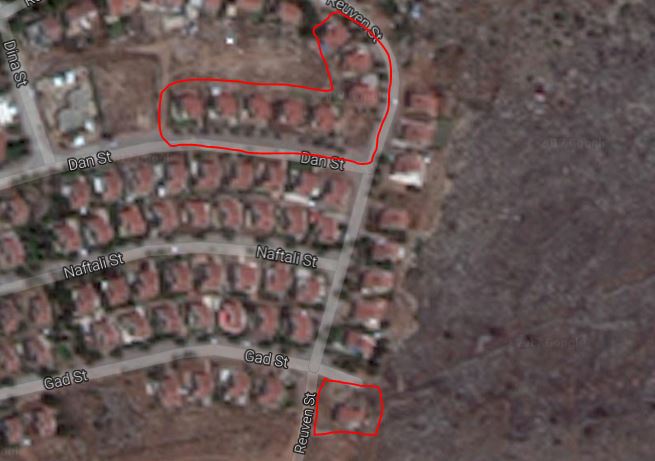
The court first issued its demolition ruling for the Ofra houses in February 2015, and, after a number of delays, set March 5 as the final deadline by which the buildings must be pulled down.
The residents’ request to have the structures sealed off and not demolished would have made them eligible for being spared in accordance with legislation passed earlier this month known as the Regulation Law. The law legalizes Jewish homes constructed illegally on Palestinian land, if homeowners can prove they built their homes in good faith or received government assistance.
Palestinians whose land is expropriated under the law are eligible to receive either financial compensation or alternative plots elsewhere.
However, the judges ruled unanimously on Monday that the demolition of the buildings must go ahead.
The original case against the nine Ofra buildings was brought before the High Court in 2008 by the left-wing Yesh Din legal aid group, which represented the Palestinian landowner.
A report published in the same year by another Israeli rights group, B’Tselem, said some 60 percent of the built-up area of Ofra lies on land that is registered to Palestinians. The claims to private ownership of lands in settlements like Ofra and the Amona outpost are based on the pre-1967 Jordanian land registry, which Israel adopted after it captured the West Bank from the Jordanians that year.
Times of Israel staff and AFP contributed to this report.









The Times of Israel Community.